































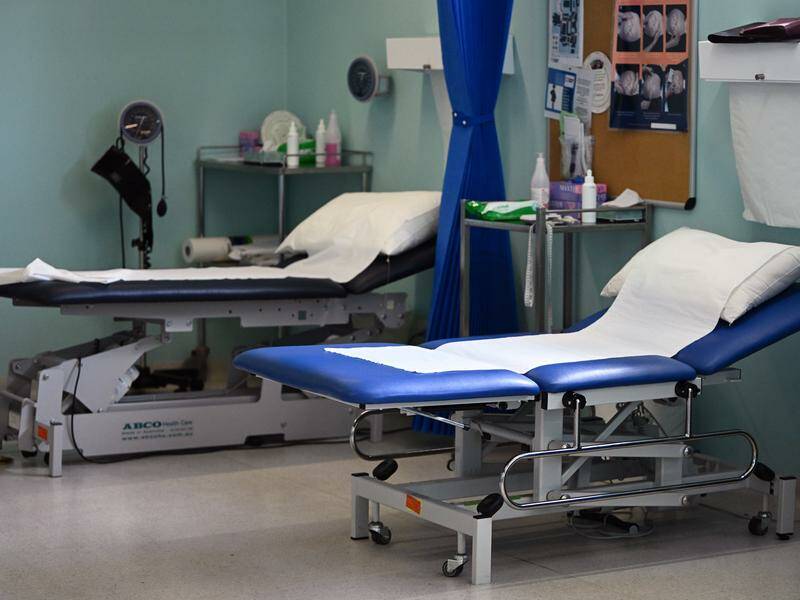
URGENT UPDATE: Over 1,150 patients in New South Wales (NSW) are stuck in hospitals for days longer than necessary due to a critical lack of access to disability and aged care support, new data reveals. This alarming situation highlights a severe funding feud impacting patient care, with the number of patients experiencing “bed block” surging by over 50 percent in the last year.
According to NSW Health Minister Ryan Park, the rate of bed block has skyrocketed from 747 to 1,151 patients as of September 30, reflecting a significant rise of more than 5 percent just in the September quarter. Park emphasizes that the growing number of patients unable to secure placements in aged care or the NDIS is placing unsustainable pressure on the state’s healthcare system.
“This situation is akin to having two major public hospitals—Westmead and Mount Druitt—ripped out of our healthcare framework,” Park stated. He warned that the persistent bed block has dire consequences, including postponed surgeries and overcrowding in emergency departments.
Despite the challenges, separate data from the NSW Bureau of Health Information indicates that emergency department response times have improved for the third consecutive quarter, thanks in part to alternatives like urgent care clinics and the Healthdirect helpline, which diverted over 20,000 non-urgent patients from emergency services in the latest quarter.
The ongoing bed block crisis is further complicated by stalled negotiations between the federal and state governments over public hospital funding. Federal Health Minister Mark Butler has committed to covering 42.5 percent of public hospital costs by 2030 and 45 percent by 2035. However, NSW Premier Chris Minns criticized the Albanese Labor government’s latest offer, estimating the federal contribution at a mere 37 percent, describing it as a “massive decline.”
In a bid to address the funding crisis, states have been offered an additional $20 billion over five years, which is $7 billion more than the previous proposal made in 2023. However, this funding must be secured to alleviate the pressure on hospitals and ensure timely care for patients.
As the situation develops, the urgent need for solutions to the bed block crisis remains critical. Authorities and healthcare professionals are closely monitoring the impact of these funding negotiations, as thousands of patients continue to fill hospital beds that could be utilized for critical care.
Stay tuned for further updates on this developing story as we continue to report on the health and welfare of our communities.