




























UPDATE: New research from the e61 Institute reveals that slashing tobacco taxes may not attract Australian smokers back to legal cigarettes, potentially worsening the illicit trade that is costing the government billions. This urgent finding comes as Treasurer Jim Chalmers prepares for a mid-year fiscal update next week, which is expected to announce an additional $12.7 billion in unanticipated spending.
The analysis highlights that the booming illegal tobacco market is further straining Australia’s budget, already facing a structural deficit. Chalmers stated that managing “unavoidable pressures and payments without a substantial deterioration in the bottom line” is a critical task.
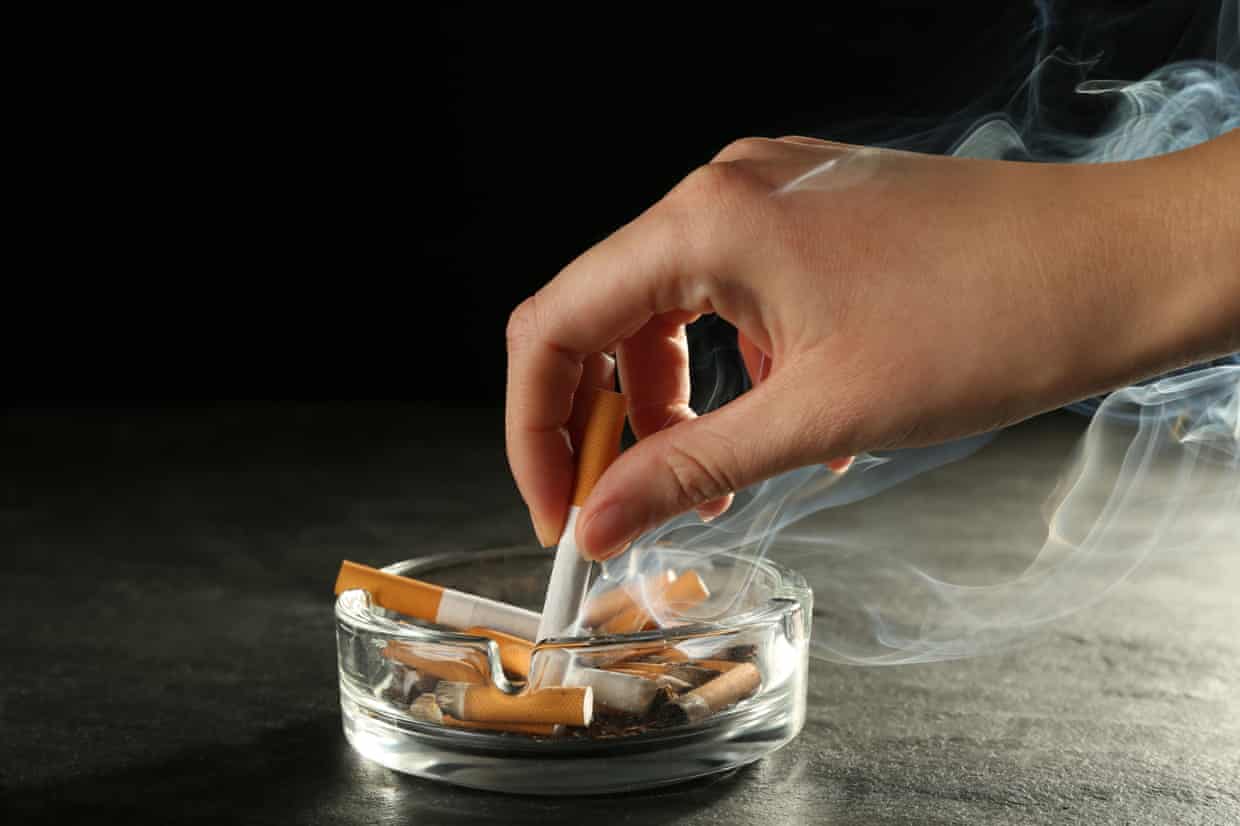
Australia’s tobacco excise revenue peaked at $16.3 billion in 2019-20. However, due to a series of tax increases, revenue has plummeted over the past five years, now standing at just $7.8 billion. The Australian Taxation Office reports that illegal sales now account for around a quarter of all cigarette sales, prompting serious concerns among officials.
New South Wales Premier Chris Minns has called the tobacco excise the “leading reason” behind the surge in illegal tobacco sales. “A legal packet of 20 cigarettes costs $50, but you can pick up an illegal packet for $13,” he told ABC Radio Sydney. Minns is demanding a review of the excise rate even as the federal government allocates an additional $350 million to combat the illicit trade over the past two years.
Chalmers has firmly rejected proposals to lower cigarette prices, opting instead for stricter enforcement of existing regulations. Two e61 economists, Josh Clyne and Lachlan Vass, argue that while increasing revenue is important, it should not overshadow the main objective of public health. They noted that if tobacco revenue had remained as budgeted for 2024-25, the government’s financial position would have improved by $3.8 billion—sufficient to fund a $100 increase in the fortnightly jobseeker rate.
The economists warn that simply cutting the excise could lead to even lower revenues, with estimates ranging from a $2.1 billion decrease to a $3.2 billion increase, depending on how smokers react. The entrenched illegal trade has made the situation more complicated, as the purchase of black-market cigarettes becomes normalized among consumers.
To effectively address the issue, the e61 report advocates for a holistic approach to tackling illicit tobacco. This includes enhancing enforcement efforts and launching public education campaigns. However, achieving such a strategy requires collaboration among various stakeholders, including public health advocates who may be resistant to lowering tobacco prices.
As the situation develops, the implications for public health and government revenue remain significant. The time for decisive action is now; without a coordinated response, Australia risks further erosion of its tobacco policy goals.
Stay tuned for further updates as this situation unfolds.