





























URGENT UPDATE: The Cook Government’s controversial fishing reform package has ignited a firestorm of backlash from the fishing community in Western Australia. Critics argue that the new measures, aimed at saving the dhufish population, are more about securing votes than ensuring sustainable fisheries for the 2.5 million West Australians who rely on local fish.
Recently announced, the government is implementing a 21-month closure of the West Coast Zone, effectively prioritizing a small segment of recreational fishers. This decision has raised alarms among local communities who depend on commercial fishing for their seafood supply. Former Chief of Staff to the Minister of Fisheries, Norman Moore, has condemned the plan as a political maneuver that sacrifices the interests of average families.
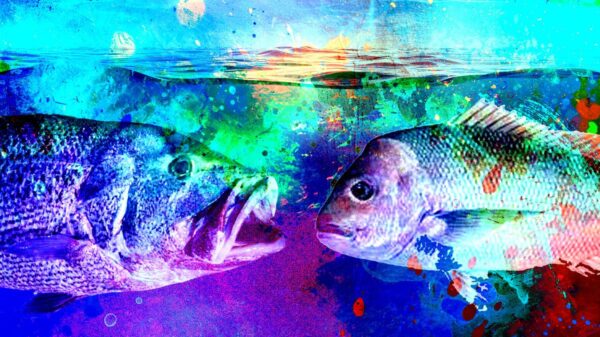
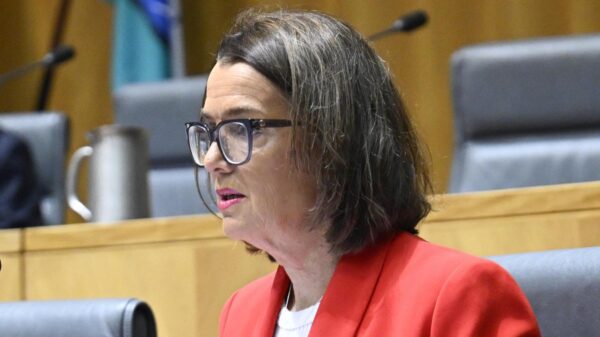
Critics, including Fisheries Minister Jackie Jarvis, have branded the situation as dire, claiming dhufish are “on the verge of extinction.” Experts in marine biology, however, counter that this rhetoric is misleading, stressing that it serves more as a tactic to push through policies that ignore scientific advice.
The reform package has effectively decimated the commercial fishing sector along the West Coast, leaving many local families without access to fresh fish. Instead, residents may be forced to rely on imported, frozen fish, as the government shifts its focus to cater to approximately 10,000 recreational fishers with high-powered boats.
As the economic implications unfold, locals are concerned about the long-term effects on their fishing grounds. The government’s measures have not only sidelined commercial fishers but have also created a vacuum in enforcement capabilities. The Department of Primary Industries and Regional Development (DPIRD) has faced budget cuts, raising questions about their ability to monitor new regulations effectively.
“This isn’t a recovery plan,” says Moore. “It’s a political decision that ignores the real issues at play.”
The impending two-year closure for recreational fishers is being seen as a “holiday” rather than a serious conservation effort. As fishing boats are likely to flood northern areas, local economies could face unprecedented strain. Recent data suggests that 60,000 new residents flock to WA annually, further intensifying the pressure on marine resources.
The government’s alliance with the Greens, which played a crucial role in pushing for these reforms, has raised eyebrows. Experts warn that this partnership could lead to even stricter regulations in the future, jeopardizing not only recreational fishing but also the livelihoods of those who depend on commercial fishing.
The public is left to ponder the reality of their fishing experience. With prices potentially soaring to $100/kg for dhufish, only a privileged few will have access to local seafood. The government has yet to engage with the public on how these changes will impact everyday families, leading many to feel neglected and unheard.
As the political landscape gears up for the 2029 election, the full ramifications of the Cook Government’s fishing policies remain to be seen. With public sentiment running high, the government faces mounting pressure to prove that their decisions are based on science, not electoral strategy.
Stay tuned for further developments on this unfolding story, as the future of fishing in Western Australia hangs in the balance.