






























Devastating floods across parts of Asia have resulted in the tragic loss of over 1,400 lives in countries including Indonesia, Sri Lanka, Thailand, and Malaysia. Torrential rain has caused widespread flooding and landslides, leaving communities grappling with the aftermath and exposing significant economic disparities within the region.
Indonesia has experienced the brunt of this disaster, reporting at least 753 deaths, making it the hardest-hit nation. Following Indonesia, Sri Lanka has recorded 465 fatalities, with President Anura Kumara Dissanayake noting that it remains too early to confirm the total number of casualties. In Thailand, at least 185 individuals have lost their lives, while Malaysia has confirmed three deaths.
Rescue efforts are ongoing, with teams racing against time to assist isolated communities. More than 1,000 people remain unaccounted for, as villages lie buried under mud and debris, compounded by significant power and telecommunications outages. The situation has prompted Indonesian President Prabowo Subianto to visit affected areas, pledging aid and support for rebuilding efforts. However, he has yet to declare a national emergency or seek international assistance, contrasting with the approach taken by Sri Lanka, which is facing severe resource limitations.
The flooding in Sri Lanka comes at a precarious time for the nation, which is still recovering from a profound economic crisis. Prime Minister Harini Amarasuriya has urged international diplomats to support the government’s relief and reconstruction efforts. With limited resources and foreign exchange shortages, the country is heavily reliant on outside assistance.
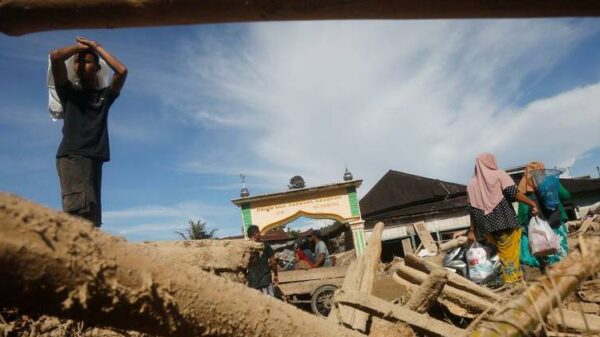
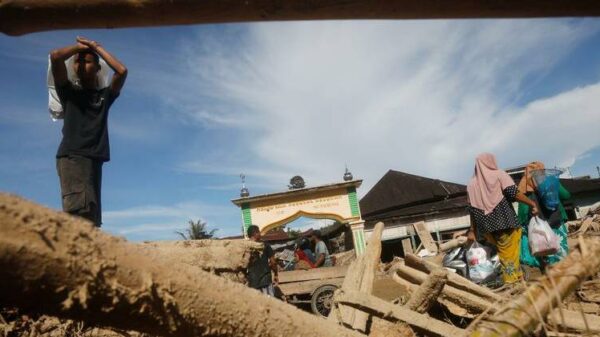
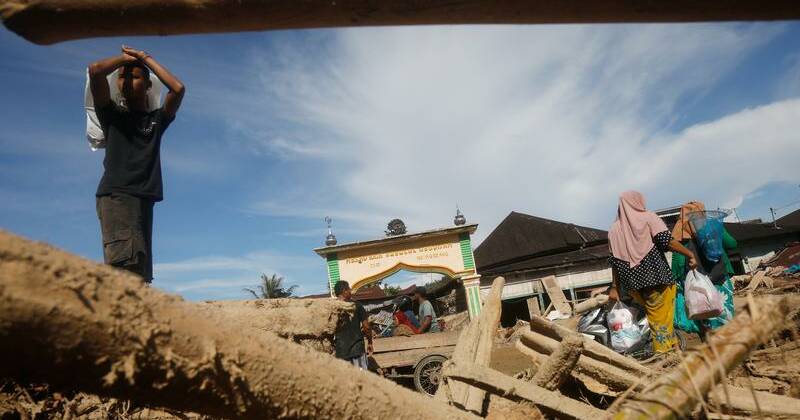
In Indonesia, the flooding has been described as the deadliest disaster since the 2018 Sulawesi earthquake and tsunami, which claimed over 4,300 lives. The National Disaster Management Agency has indicated that approximately 650 people remain missing in the hardest-hit provinces—North Sumatra, West Sumatra, and Aceh. Thousands were forced to seek refuge on rooftops and treetops as the floodwaters rose.
The impacts on infrastructure have been severe, with washed-out roads and collapsed bridges hindering rescue operations. The agency reports that more than 1.5 million residents have been displaced, with tens of thousands of homes and public facilities damaged. To address the overwhelming number of injured, the Indonesian government has deployed three hospital ships to the devastated provinces.
In Sri Lanka, the economic implications of the flooding are expected to be significant. The nation is currently under an International Monetary Fund bailout program, which necessitates conserving foreign currency to repay external debt that begins in 2028. Countries such as India, Pakistan, and the United Arab Emirates have already initiated relief efforts, with additional support pledged by foreign diplomats who met with Prime Minister Amarasuriya.
As recovery efforts continue, Thai government spokesperson Rachada Dhnadirek reported progress in restoring utilities in southern Thailand. The government has allocated over 1 billion baht (approximately A$48 million) in compensation to over 120,000 households affected by the floods.
The catastrophic flooding across Asia highlights the urgent need for coordinated international response and support, particularly in nations like Sri Lanka, where economic recovery remains fragile. As rescue teams work tirelessly to reach those in need, the human toll of this disaster is a stark reminder of the vulnerability of communities facing extreme weather events.