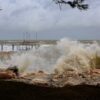

































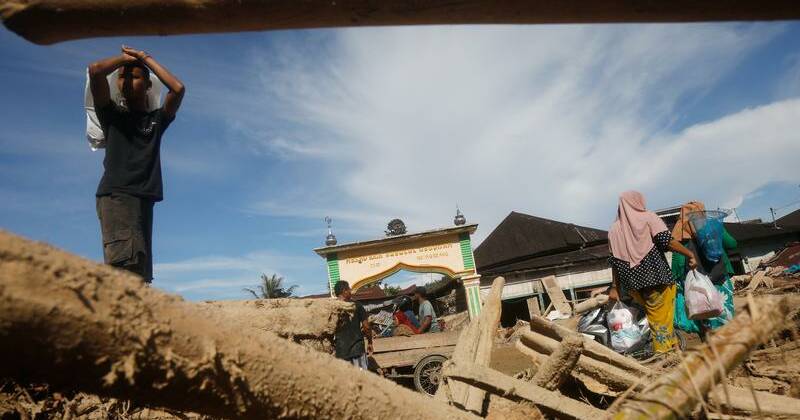
Torrential rains have triggered devastating floods and landslides across parts of Asia, resulting in the deaths of more than 1,400 people. The worst-affected countries include Indonesia, Sri Lanka, Thailand, and Malaysia. Rescue operations are underway as authorities race to reach isolated communities, with over 1,000 individuals reported missing.
Indonesia has suffered the highest toll, with at least 753 fatalities. In Sri Lanka, the death count stands at 465, although President Anura Kumara Dissanayake stated that it is too early for a final figure. In Thailand, at least 185 people have died, while three fatalities have been confirmed in Malaysia.
Rescue Efforts and Government Response
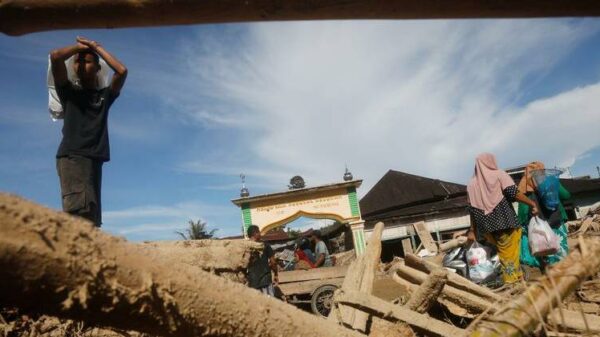
Rescue teams face significant challenges as many villages remain buried under mud and debris. Ongoing power outages and disrupted telecommunications hinder efforts to reach those in need. Indonesia’s President Prabowo Subianto visited affected areas and pledged aid, though he has not declared a national emergency or sought international assistance, unlike the government in Sri Lanka.
In Sri Lanka, Prime Minister Harini Amarasuriya met with diplomats last week to solicit support for relief and reconstruction efforts. The country, still recovering from a severe economic crisis, is grappling with limited resources and foreign exchange shortages, complicating disaster response.
Authorities in Indonesia have described the recent flooding as the deadliest disaster since the 2018 Sulawesi earthquake and tsunami, which resulted in over 4,300 deaths. The National Disaster Management Agency reported that around 650 individuals are still unaccounted for in the provinces of North Sumatra, West Sumatra, and Aceh. Thousands of residents were forced to seek refuge on rooftops and treetops as floodwaters engulfed their communities.
The agency also indicated that more than 1.5 million people have been displaced, with tens of thousands of homes and public facilities severely damaged. Approximately 2,600 individuals have sustained injuries, and local hospitals are overwhelmed. In response, the government has deployed three hospital ships to the hardest-hit regions.
Economic Implications and International Aid
The impact of flooding in Sri Lanka could have long-lasting effects on its economy, which had only recently begun to stabilize after an unprecedented financial crisis. The country is currently under an International Monetary Fund bailout program, which requires it to conserve foreign currency to meet repayment obligations starting in 2028.
Countries such as India, Pakistan, and the United Arab Emirates have already initiated relief efforts. Additionally, foreign diplomats who met with the Sri Lankan Prime Minister have pledged further support.
In Thailand, government spokeswoman Rachada Dhnadirek announced that recovery efforts in the southern regions are progressing well, with water and electricity restored in nearly all affected areas. The Thai government has disbursed over 1 billion baht (approximately $A48 million) in compensation to more than 120,000 households impacted by the floods.
As rescue and recovery efforts continue, the need for international aid and support remains critical for the affected nations grappling with the aftermath of this catastrophic disaster.