

































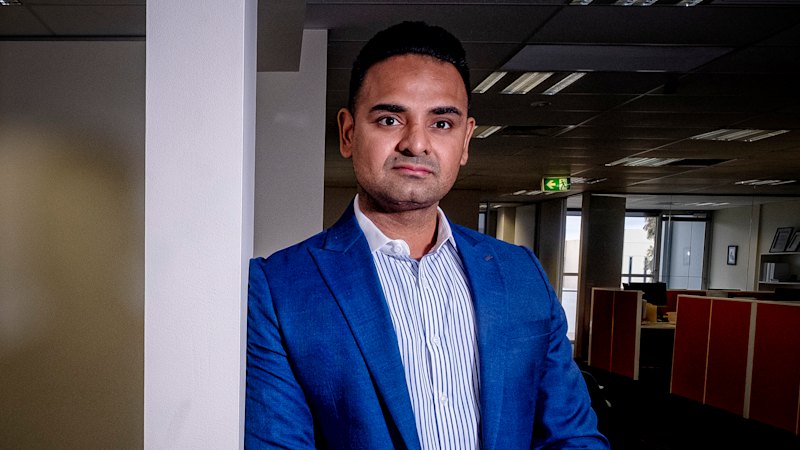
Entities connected to the controversial MA Services Group, which has ties to a bikie gang and allegations of serious misconduct, are still securing millions of taxpayer dollars through government contracts in Canberra and Nauru. The firm’s founder, Micky Ahuja, recently resigned amid accusations of sexual harassment and bullying, raising significant concerns regarding its ongoing partnerships with Australian government entities.
The Albanese government is facing increasing scrutiny as Commonwealth organizations, including the Australian Criminal Intelligence Commission (ACIC), continue to engage with MA Services Group and its subcontractors. Ahuja’s departure as chief executive has not alleviated public concern regarding the implications of the firm’s activities, especially given its historical connections to alleged tax evasion and organized crime.
Government Response to Allegations
On September 29, 2023, the Victorian government announced the suspension of MA Services Group from its list of preferred security suppliers. Natalie Hutchins, the Government Services Minister, emphasized the importance of workplace safety, stating, “Every woman deserves to feel safe at work. The allegations against MA Services are deeply concerning.”
Home Affairs Minister Tony Burke faced questions regarding the appropriateness of MA Services Group retaining its multimillion-dollar contract to secure ACIC offices, particularly in light of ongoing investigations by the Australian Taxation Office (ATO) into suspected tax evasion. Burke declined to provide clarity on the matter, further igniting public debate over the government’s dealings with the firm.
The ACIC defended its contractual relationship with MA Services Group, asserting that security personnel are licensed and undergo suitability assessments. Yet, many are questioning the rationale behind continuing to engage a firm embroiled in such troubling allegations.
Controversial Operations in Nauru
The situation is particularly sensitive regarding MA Services Group’s operations in Nauru, where a private security force is tasked with guarding individuals deported from Australia. This arrangement is funded through a deal with the Nauru government, and sources have confirmed that MA Services personnel have attempted to obscure the firm’s involvement in this security operation.
Reports suggest that a senior MA Services operative recently instructed members of the security force to maintain secrecy about the company’s ongoing ties to the Nauru operation. Despite previous claims to distance itself from the Nauru security force, insiders indicate that the operation remains under MA Services Group’s management.
The security personnel in Nauru, composed of former Australian law enforcement and military members, are responsible for monitoring a small group of deportees known as the NZYQ cohort. Sources revealed that the security force is expected to contact the Nauru Police Force if they anticipate any criminal activity.
Ahuja has attempted to distance himself from the Nauru Community Safety, a firm previously associated with MA Services Group. Nevertheless, documents leaked from Nauru government sources contradict his claims, listing Ahuja and the MA International Group as registered shareholders of that entity.
As the Albanese government continues to engage with MA Services Group, some corporate clients are reevaluating their relationships with the firm. Blue-chip companies, including Amazon and property giant CBRE, are reportedly seeking alternatives. Additionally, Coles has initiated an internal investigation that could jeopardize its multimillion-dollar contract with the firm.
Ahuja has denied all allegations of misconduct, asserting that his decision to resign was to focus on his family. However, the scrutiny surrounding him will likely intensify, particularly as a parliamentary inquiry is set to examine the controversial Nauru security deal.
As this situation unfolds, the implications for both the government and the implicated security firm will continue to attract attention. The ongoing investigations and public reaction highlight the need for transparency and accountability in government contracting, particularly when taxpayer funds are at stake.