


























A recent double-strike military operation in Colombia has sparked intense scrutiny from both President Donald Trump and members of the U.S. Congress. The strikes, conducted on October 24, 2023, resulted in the deaths of eleven individuals accused of transporting illegal drugs, prompting questions about the implications and legality of such actions.
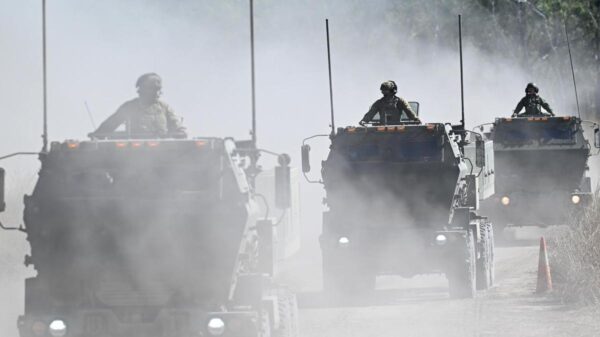
The U.S. Department of Defense confirmed that the operation targeted a boat allegedly involved in drug trafficking. The attack raises concerns regarding the potential classification of these targets as “narco-terrorists,” a term that has significant legal and operational ramifications. Critics argue that the language used to justify the strikes may blur the lines between legitimate military action and extrajudicial killings.
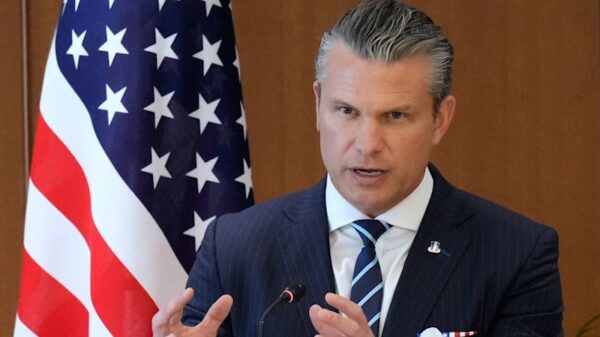
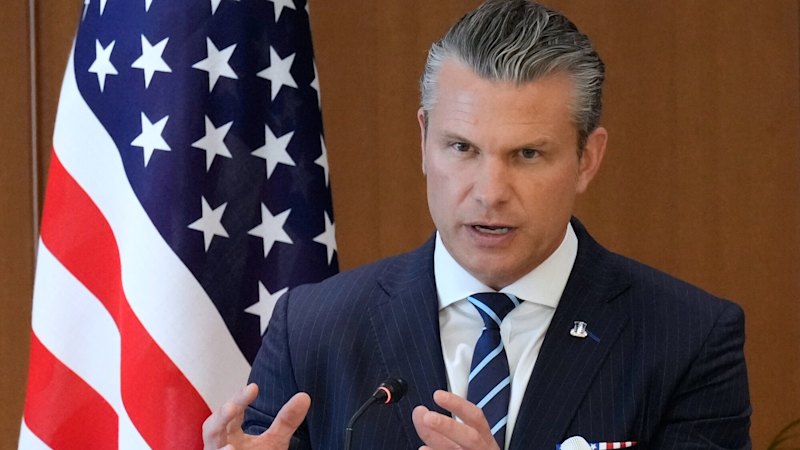
During a recent congressional hearing, Pete Hegseth, the Secretary of War, faced pointed questions from lawmakers. Members of Congress expressed apprehension about the military’s engagement in foreign drug operations, emphasizing the need for transparency and adherence to international law. The debate centers on whether the U.S. has the authority to carry out such strikes without clear evidence linking the targets to terrorist activities.
The strikes have reignited discussions about U.S. foreign policy in Latin America, particularly concerning drug trafficking and its violent repercussions. Colombia, long a focal point in the global drug trade, has seen a surge in violence linked to cartels. As the U.S. government attempts to combat this issue, the methods employed remain contentious.
In his defense, Hegseth stated that the strikes were necessary to protect U.S. national interests and to disrupt the operations of drug cartels. He emphasized the importance of swift action in preventing drugs from reaching the U.S. market. Yet, questions linger about the accountability and strategic planning behind such military operations.
The fallout from this incident could have lasting implications for U.S. military engagement in Colombia and elsewhere. Lawmakers are urging the Biden administration to provide clearer guidelines and oversight regarding the use of military force in combating drug trafficking.
As this situation unfolds, the ongoing dialogue among military officials, Congress, and the public will likely shape future U.S. policies regarding international drug enforcement and military intervention. The complexities of these operations highlight the challenges faced by governments in navigating the fine line between national security and ethical military conduct.