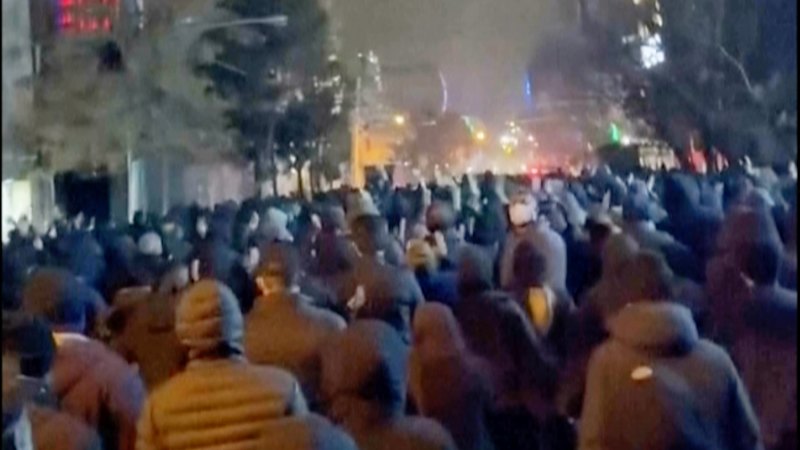
Protests against the Iranian regime have intensified, resulting in a rising death toll that has reached at least 116 individuals. These demonstrations, which began on December 28, 2023, were initially sparked by the collapse of the Iranian rial currency but have evolved into a widespread call for political change.
The situation in Iran has prompted the United States to reassess its military options. President Donald Trump has been briefed on potential strategies to respond to the unrest and the government’s heavy-handed approach to quelling dissent. An official statement from the White House indicated that all options are on the table as tensions escalate.
The protests, fueled by economic hardship and government repression, have attracted attention from global leaders. Reports indicate that demonstrators are calling for greater freedoms and accountability from their leaders. The Iranian government has responded with force, leading to significant casualties and widespread arrests.
U.S. Response and International Implications
As the situation unfolds, the U.S. is weighing the implications of military action in Iran. While some officials advocate for a robust response to support the demonstrators, others caution against escalating military involvement. A measured approach could potentially stabilize the region without further exacerbating tensions.
The U.S. military has been actively monitoring the situation. According to sources within the Pentagon, any military intervention would be calculated and aimed at minimizing civilian casualties. The Iranian government has condemned foreign interference, framing the protests as a foreign-backed plot to destabilize the nation.
International reactions have varied. Some countries have expressed support for the demonstrators, while others urge restraint and dialogue. The potential for military action raises concerns about regional stability, particularly given Iran’s role in Middle Eastern geopolitics.
The Human Cost of Protests
The human toll of the protests is significant. Reports from humanitarian organizations indicate that many of the deceased were young protesters who were demanding change. Eyewitness accounts describe violent crackdowns by security forces, leading to fears of further escalation.
Family members of those who have died are calling for accountability from the Iranian government. They demand that the authorities cease their violent tactics and engage in constructive dialogue with the populace. This situation highlights the ongoing struggle for rights and freedoms in Iran.
The developments in Iran and the U.S. response will likely shape international relations in the coming months. As the U.S. considers its options, the focus remains on the humanitarian impact of the protests and the call for democratic reforms within Iran.
In summary, the protests in Iran represent a critical moment in the nation’s history, with both domestic and international ramifications. President Trump’s potential military options underscore the urgency of the situation as the death toll continues to rise.