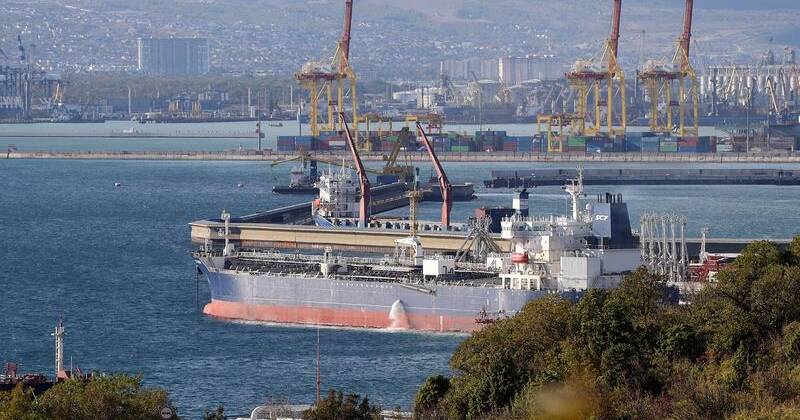
The United States has issued a 30-day waiver allowing countries to purchase sanctioned Russian oil and petroleum products currently stranded at sea. This decision, announced by Treasury Secretary Scott Bessent, aims to stabilize global energy markets disrupted by the ongoing conflict in Iran. Following the announcement, oil prices in Asia showed a reduction on Friday morning, suggesting a potential easing of market pressures.
According to Russia’s presidential envoy Kirill Dmitriev, the waiver will impact approximately 100 million barrels of Russian crude, which is nearly equivalent to a full day’s global oil output. This measure marks the second notable rollback of sanctions linked to the Ukraine conflict in just over a week. The administration of President Donald Trump is responding to rising energy costs following recent US and Israeli military actions in Iran, which have significantly disrupted shipping routes through the Strait of Hormuz.
The International Energy Agency, representing 32 nations, has described the Middle Eastern conflict as causing the most significant oil supply disruption in history. The waiver issued on March 12, 2024, authorizes the delivery and sale of Russian oil and petroleum products loaded on vessels by that date, remaining valid until midnight Washington time on April 11, 2024. This development reflects concerns within the White House that escalating oil prices may adversely affect US businesses and consumers, particularly in the lead-up to the upcoming midterm elections, where Republicans aim to maintain control of Congress.
Bessent characterized the waiver as “narrowly tailored” and “short term,” asserting that it would not deliver substantial financial gains to the Russian government. Nevertheless, while the reprieve is expected to enhance global oil supply, it introduces complexities to Western efforts aimed at limiting Russia’s revenue from its activities in Ukraine.
European Commission President Ursula von der Leyen expressed reservations about the timing of the sanctions relief. Following a call with G7 leaders to discuss the ramifications of the Iran conflict on oil and gas markets, she stated that this was not an appropriate moment to relax sanctions against Russia. Similarly, Michael Shanks, a minister in the British energy department, reiterated on BBC radio that the UK government would not ease its sanctions, calling the current situation a “critical moment in the Russian aggression against Ukraine.”
The decision to grant the waiver coincided with a call between Trump and Russian President Vladimir Putin on March 9, 2024, and was followed by Dmitriev’s visit to the United States to engage with a US delegation that included Trump’s special envoy Steve Witkoff and his son-in-law Jared Kushner. As global energy markets remain volatile, the implications of this waiver will likely continue to unfold in the coming weeks.