



































URGENT UPDATE: Labor faces intense scrutiny today over extravagant spending on flights and a staggering cost blowout for a government website, as tensions rise from a recent Chinese navy flotilla’s movements. The latest revelations emerged during a week of combative parliamentary hearings that have left officials grappling with public backlash and accountability.
Communications Minister Anika Wells is at the center of controversy after charging taxpayers nearly $100,000 for last-minute flights to promote Australia’s social media ban at the UN General Assembly in New York. Critics are demanding answers as quick airfare searches reveal significantly lower prices than those billed by Wells and her two staffers. “Why were these flights so exorbitant?” a coalition spokesperson questioned, emphasizing the need for ministers to adhere to financial guidelines.
Meanwhile, the head of the Bureau of Meteorology, Stuart Minchin, faced fierce questioning over his agency’s staggering website redesign costs, which ballooned from an initial $4.1 million to an alarming $96 million. Minchin admitted that the rollout was poorly executed, yet defended the need for the new format, stating, “It had 70,000 web pages, many of which were using language that you needed to have a PhD to understand.” He dismissed calls to revert to the old site, citing accessibility concerns for users with visual impairments.
In a related development, David Johnston, Chief of the Australian Defence Force, provided an update on the Chinese naval flotilla currently located in the Philippine Sea. Johnston expressed confidence in the military’s ability to monitor the four-ship task group, which may be moving south toward Australia. This follows a previous incident when a similar flotilla circumnavigated the country and conducted live drills—information the government learned from a Virgin Airlines pilot.
As military officials collaborate with international partners like the US for surveillance, the implications of these developments are significant. With heightened concerns about national security and taxpayer funding, the political landscape in Australia is shifting rapidly.
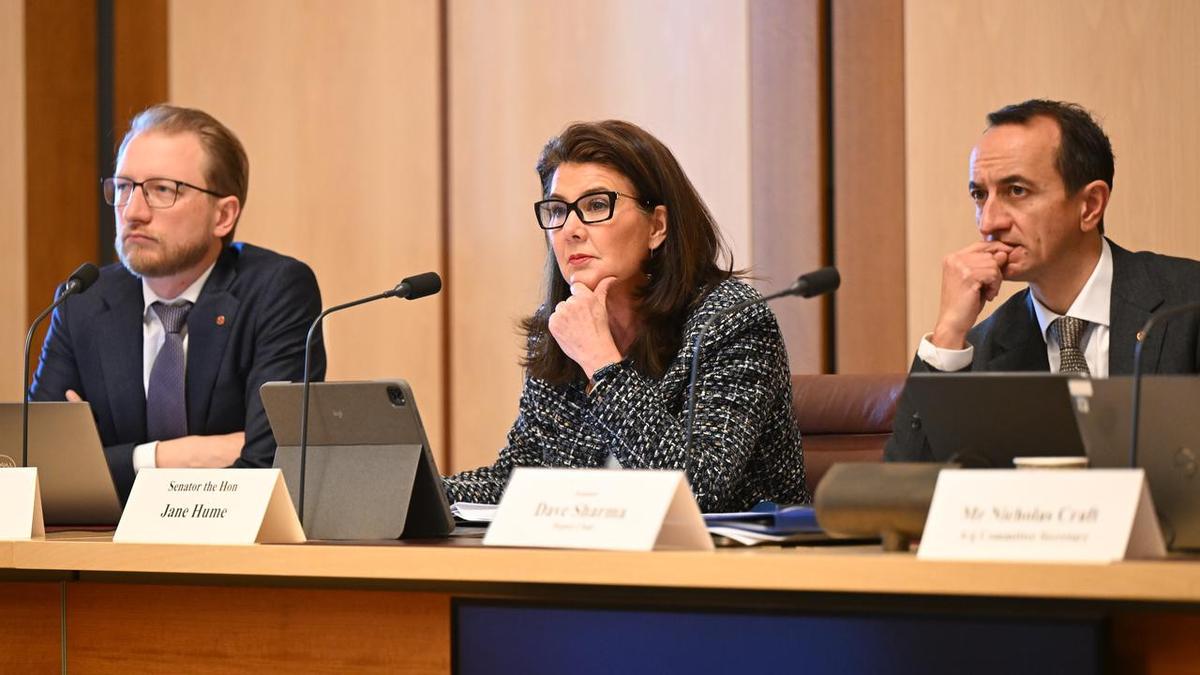
The Senate estimates hearings have drawn attention to the pressing need for transparency and fiscal responsibility within government departments. As public scrutiny intensifies, all eyes will be on how the Labor government responds to these financial controversies and security threats.
Stay tuned for more updates as this story continues to unfold, and share your thoughts on the implications of these developments for Australia’s future.
