



































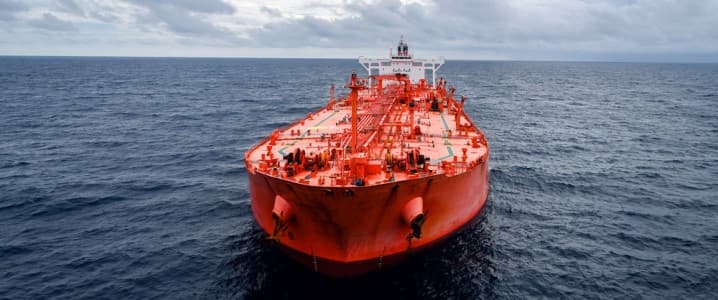
Daily charter rates for oil tankers have surged dramatically this year, witnessing an unprecedented increase of 467%. This spike is attributed to a combination of shipping disruptions and sanctions affecting global commodities transportation. Despite the typical decline in demand for commodities during the year-end period, rates have remained robust as of late 2025, particularly for crude oil, liquefied natural gas (LNG), iron ore, and wheat.
According to estimates from Bloomberg, based on data from the Baltic Exchange and Spark Commodities, the strengthening of oil tanker rates has been particularly notable. By the end of November, rates for supertankers traveling from the Middle East to China reached their highest levels in five years. This surge is largely driven by traders seeking alternatives to Russian crude oil following sanctions imposed on major Russian oil producers, including Rosneft and Lukoil.
Market Dynamics and Disruptions
The market for tanker transportation has seen a marked increase in prices for all vessel sizes. Rates for smaller tankers have also escalated as traders scramble to utilize every available ship for crude transport. In particular, the LNG freight market has reported spot charter rates on the route from the United States to Europe soaring to their highest point in two years. This is due in large part to the rising exports of LNG from the U.S., which have tightened the available vessels in the Atlantic region.
Moreover, ongoing caution among shippers regarding the Red Sea route, influenced by Houthi activity, has extended transit times, further straining the shipping market. The disruptions caused by sanctions have led to a significant increase in oil in transit, amplifying the demand for tanker services.
Outlook for 2026
Tanker owners and operators are currently reaping substantial profits from these market conditions, yet they acknowledge the inefficiencies present in the current system. During a recent earnings call, Lars Barstad, CEO of supertanker fleet operator Frontline Management, discussed the unpredictable nature of the market. He remarked, “You’re asking me to give my view on one of the world’s most volatile markets. The fact that it is this volatile tells you that this is not an efficient market.”
Barstad noted, “We’re not seeing any kind of weakness in this market. We’re seeing an old-school, extremely tight physical shipping market.” He emphasized the uncertainty surrounding future developments, stating, “But of course, who knows what can happen next week?”
As 2025 comes to a close, the oil shipping market remains in a state of flux, presenting both challenges and opportunities for stakeholders navigating these turbulent conditions.
