



































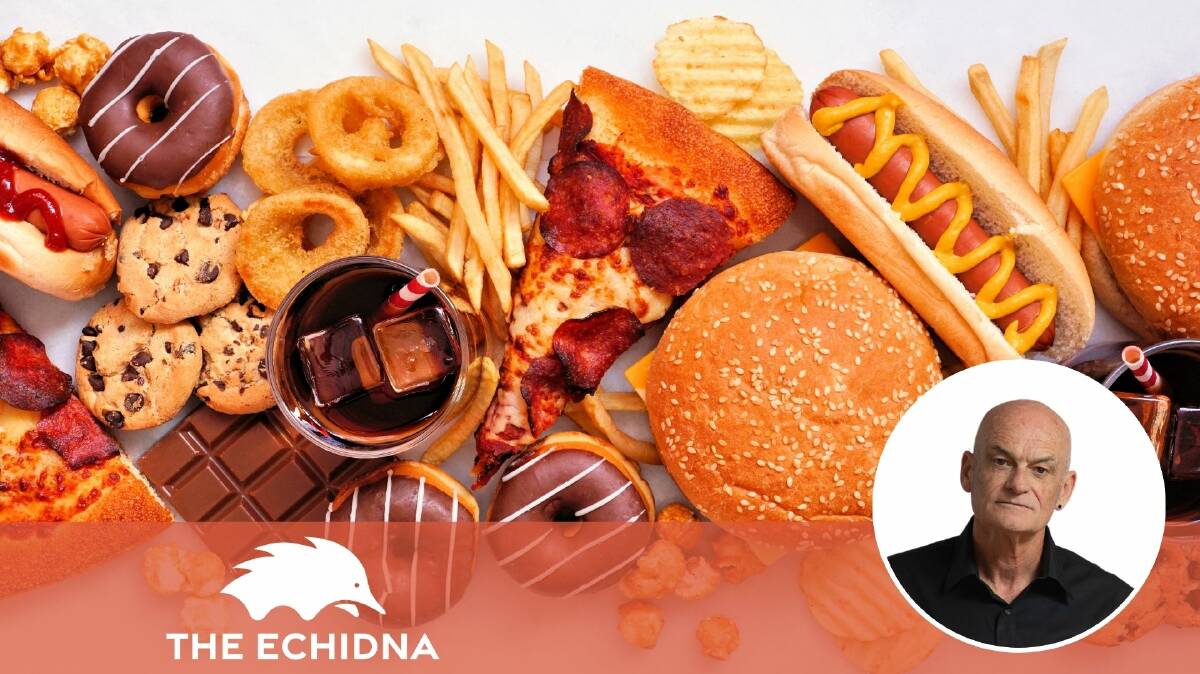
UPDATE: Australia is in the grips of a serious health crisis as ultra-processed foods (UPFs) dominate diets, contributing to alarming obesity rates and health issues. Recent reports reveal that nearly half of the average Australian’s diet now comprises these unhealthy products, leading to a surge in diseases such as type 2 diabetes and bowel cancer.
The Albanese government has just announced the formation of the National Food Council to address these issues, but critics argue it is largely influenced by the agricultural and food production industries. This council may struggle to prioritize public health over profit, as evidenced by the ongoing loopholes in Australia’s food labeling system.
A shocking tripling of global obesity rates since 1975 has left two-thirds of Australian adults either overweight or obese. Reports from the Lancet journal indicate a direct correlation between high consumption of UPFs—such as frozen pizzas, sugary drinks, and processed meats—and an increased risk of serious health conditions like bowel cancer and cardiovascular disease.
A University of Melbourne study highlighted that Australia has the highest rate of bowel cancer in individuals under 50 worldwide. As UPFs infiltrate supermarkets and school canteens, avoiding them seems nearly impossible. These products are marketed aggressively, crafted to be convenient and appealing, but they come at a steep cost to public health.
Despite the grim statistics, experts suggest a path forward. Eating healthier does not require advanced nutritional knowledge; rather, it calls for a return to intuitive eating—choosing foods your grandparents would recognize and cooking from scratch when possible.
Countries like Chile have successfully reduced soft drink consumption by 25 percent through effective labeling and marketing restrictions. Experts urge Australia to adopt similar measures to protect consumers and promote healthier eating habits, particularly among children.
As the food landscape becomes increasingly complex, the need for clearer labeling and regulation on UPFs is more urgent than ever. With health risks skyrocketing, the call for action is loud: it is time for individuals to take charge of their diets and reclaim their health.
The way back to better nutrition starts not with scrutinizing labels, but by rediscovering the essence of real food—natural, whole, and free from chemical manipulation. As we navigate this health crisis, the choice lies in our hands.
WHAT’S NEXT: As the National Food Council begins its work, watch for updates on potential policy changes and public health initiatives aimed at tackling the UPF epidemic.
For those struggling with healthy eating, now is the time to make a change. How will you approach your meals moving forward? Share your thoughts and experiences with us.
