

































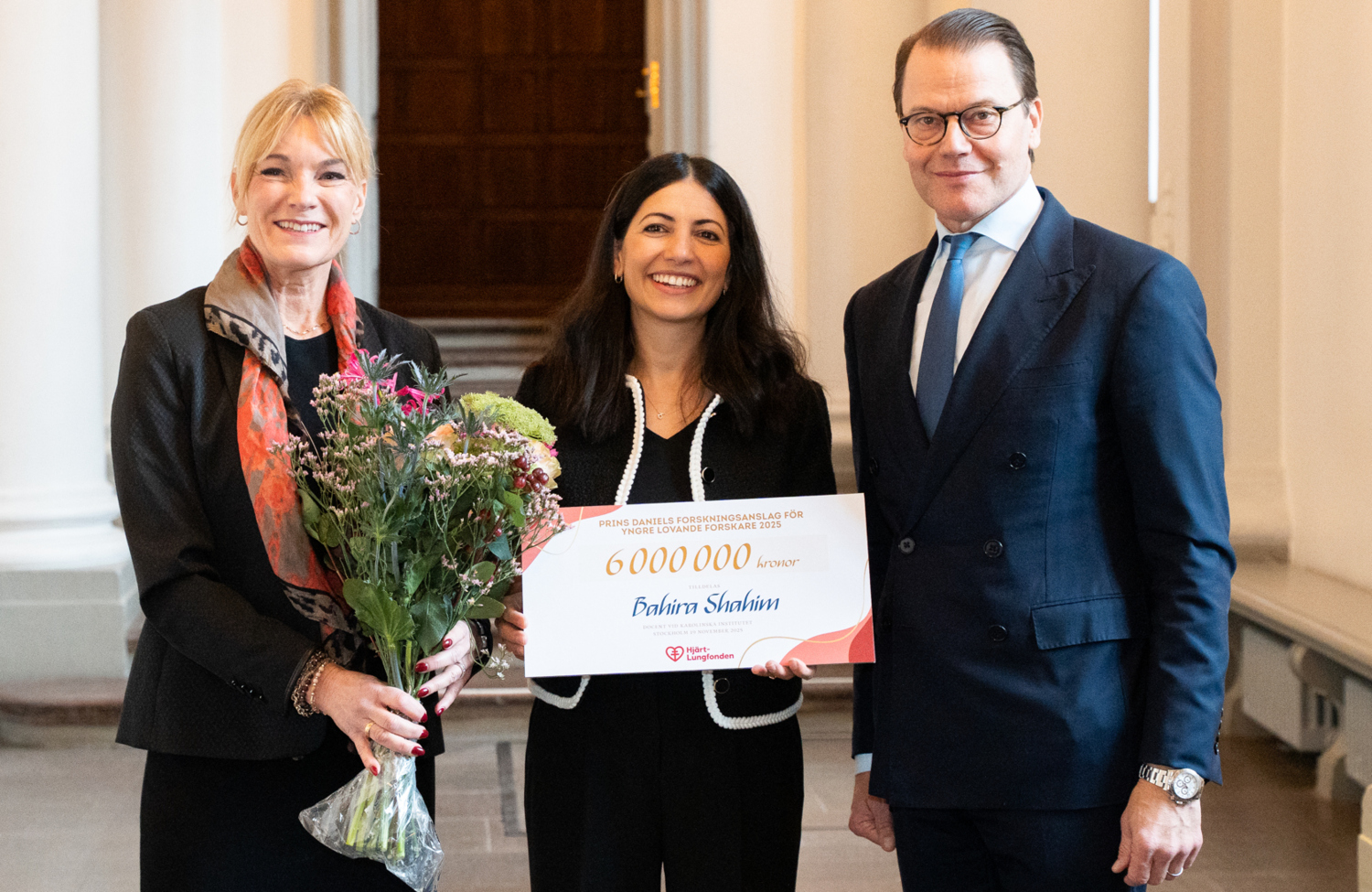
Dr. Bahira Shahim, a researcher and cardiologist at Karolinska Institutet and Karolinska University Hospital, has been awarded the prestigious Prince Daniel’s Grant for Promising Young Researchers. The grant, amounting to SEK 6 million, is conferred annually by the Swedish Heart-Lung Foundation to support innovative research in the field of cardiovascular health.
This funding will advance Dr. Shahim’s research on a prevalent heart valve disease that poses serious health risks, including sudden cardiac death and heart failure. Her work aims to develop new treatment strategies that could significantly improve patient outcomes.
Impact of the Research
Heart valve disease affects millions of individuals worldwide, often leading to severe complications if left untreated. Current treatment options can be limited, making breakthroughs in this area critical. Dr. Shahim’s research focuses on understanding the underlying mechanisms of this condition, which could potentially alter conventional approaches to treatment.
The award from the Swedish Heart-Lung Foundation underscores the importance of supporting young researchers who are at the forefront of medical innovation. The SEK 6 million grant will enable Dr. Shahim to conduct extensive studies, including clinical trials, to assess the effectiveness of new therapeutic strategies.
Expert Recognition and Future Directions
Dr. Shahim expressed her gratitude for the recognition, stating that the grant will allow her to explore novel avenues in heart valve disease research. “This funding is not just a personal achievement; it represents a significant step forward for our understanding of cardiovascular health,” she noted. Her commitment to advancing medical science aligns with the foundation’s mission to promote research that leads to improved health outcomes.
The Swedish Heart-Lung Foundation has a long-standing commitment to funding vital research that addresses pressing health issues. By investing in promising young scientists like Dr. Shahim, the foundation aims to foster innovation that can lead to transformative changes in treatment protocols.
As Dr. Shahim embarks on this new research journey, her work is poised to contribute significantly to the landscape of cardiology, offering hope to patients affected by heart valve disease and potentially reducing the incidence of related complications.