




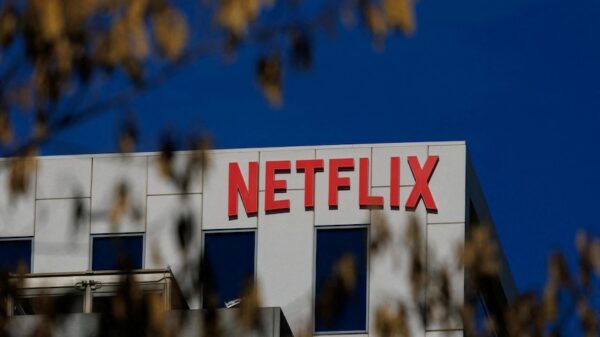

























Netflix has officially announced its acquisition of Warner Bros. Discovery (WBD) in a landmark deal valued at a staggering $82.7 billion. This agreement, confirmed on Friday, allows Netflix to acquire WBD along with its extensive film and television studios, including the prominent HBO and its streaming platform, HBO Max. The transaction was unanimously approved by the boards of both companies.
The sale involves a total equity value of $72 billion, with Netflix agreeing to pay $27.75 per share for WBD. The enterprise value, which includes WBD’s debt, totals $82.7 billion. Netflix’s winning bid came after WBD declined three offers from Paramount Skydance and a merger proposal from Comcast involving NBC Universal.
Future of Warner Bros. and Netflix
The acquisition is poised to close following the planned establishment of WBD’s Global Networks division, Discovery Global, as a publicly traded company by Q3 2026. Additionally, the agreement requires approval from the United States Securities and Exchange Commission (SEC).
In a statement, Netflix co-CEO Ted Sarandos emphasized the mission of the company, stating, “Our mission has always been to entertain the world. Together, we can give audiences more of what they love and help define the next century of storytelling.” Co-CEO Greg Peters mentioned that this acquisition would enhance Netflix’s offerings and accelerate business growth for decades.
David Zaslav, CEO and President of WBD, described the deal as a combination of two great storytelling powerhouses, allowing them to provide more entertainment options for viewers.
Impact on Streaming Services
For consumers, this acquisition signifies that Netflix will now control a vast library of intellectual property, including blockbuster franchises like Game of Thrones, the Harry Potter series, and popular characters from DC Comics. This merger represents the most significant strategic move for WBD since it integrated HBO Max with Discovery+ in 2023.
Netflix’s announcement indicated intentions to sustain WBD’s current operations while enhancing its strengths, especially in theatrical releases. The company described the libraries of HBO and HBO Max as “a compelling, complementary offering” for its subscribers. This suggests potential for bundled services or merged content libraries in the future.
By incorporating HBO’s extensive film and television catalog, Netflix aims to provide its members with an even wider selection of high-quality titles. The acquisition is also expected to boost Netflix’s production capabilities and investments in original content, further enriching the viewing experience for subscribers.
Until the SEC grants approval for the deal, no immediate changes to the streaming services are anticipated. For now, both Netflix and WBD continue to operate independently while preparing for a transformative future in the streaming landscape.