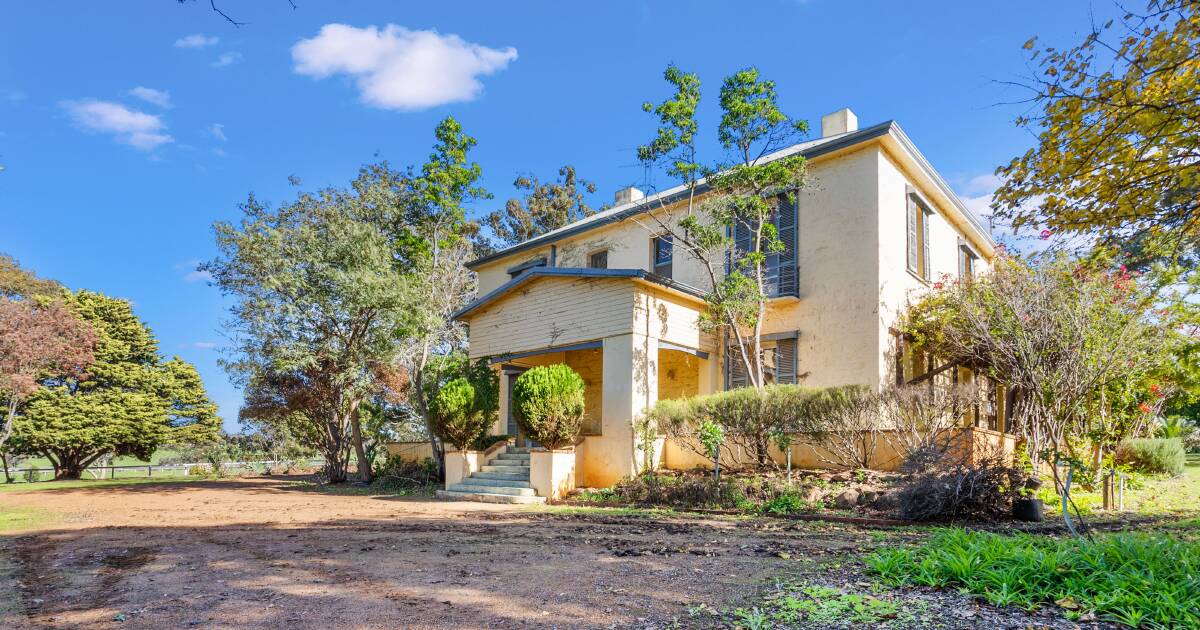
As the demand for rural lifestyle properties continues to rise, many individuals are responding to their mental health needs by seeking refuge in Australia’s regional areas. This trend has been underscored by insights from John Garland AM, principal of Garland International, who has an extensive background in the real estate sector, having worked since 1950.
At the age of 90, Mr. Garland brings a wealth of experience to his observations about the current state of the agricultural property market. He noted that the year 2025 was significantly impacted by further consolidation of properties in Western Australia (WA), resulting in the distressing loss of over 35,000 farmers from the industry. Young people leaving the agricultural sector and fluctuating interest rates have also marked this year, contributing to a challenging environment for the farming community.
Water Scarcity as a Key Concern
Mr. Garland identified water availability as a critical issue facing the agricultural property sector in 2026. He remarked, “This is the new gold in WA,” highlighting the increasing importance of water resources amidst growing demands. He expressed concern that government priorities often overlook the needs of the regions, particularly those engaged in grain growing, livestock-rearing, and other income-generating agricultural activities.
“This includes the graingrowing, livestock-rearing and final income-creating sections of the agricultural industry,” he stated. Mr. Garland further emphasized the challenge of managing a vast state like WA, which is characterized by its aridity. He criticized the political management within both state and national contexts, suggesting that it has led to an imbalance in focus on agricultural needs.
Renewable Energy and Regional Development
Looking ahead, Mr. Garland pointed out that renewable energy will continue to be a significant topic in 2026. He noted the complexities of the energy debate, asserting that wind turbines alone do not provide a comprehensive solution. This calls for a deeper understanding of how to balance energy needs with agricultural sustainability.
The surge in demand for rural lifestyle properties reflects a broader societal shift as individuals increasingly prioritize their mental well-being. Mr. Garland observed that many are turning to rural living as a means to escape the pressures of urban life, driving interest in properties that offer tranquility and connection to nature.
As the landscape of rural real estate evolves, the challenges of water scarcity, political management, and energy needs will play pivotal roles in shaping the future of Australia’s agricultural sector. The ongoing demand for lifestyle properties may serve as both a response to personal needs and a factor in the broader economic narrative of rural regions.