































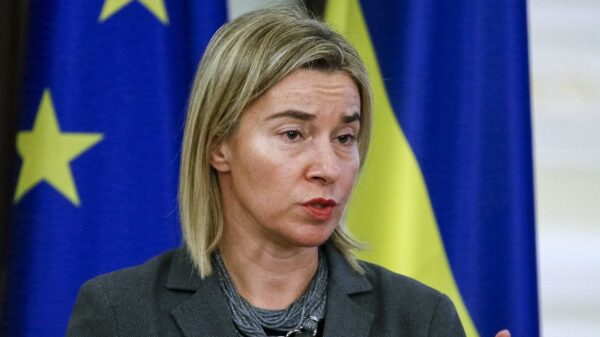




On December 4, 2025, China and the European Union marked a significant milestone: the 50th anniversary of their diplomatic relations. This occasion not only serves as a moment for reflection but also as an opportunity to chart a course for the future. Prominent European leaders and thinkers have recently visited China to engage in meaningful discussions on the evolving relationship between these two influential regions.
Reflections on the Past and Future
During a recent dialogue, former Italian Prime Minister Romano Prodi provided an insightful perspective on the historical context of China-Europe relations. He stated, “China and Europe have never been enemies, but we have never been brothers. And this is the moment in which history obliges us to change.” Prodi emphasized the necessity for Europe to recognize the magnitude of China’s rise and its integral role in global governance.
Former Austrian Chancellor Wolfgang Schüssel echoed this sentiment, highlighting the challenges of global governance. He pointed out that Europe, alongside China, has a significant responsibility to maintain stability, especially in light of the ongoing US-initiated tariff wars that have created turmoil in global trade. Schüssel advocates for a stronger partnership between Europe and China to fortify the foundations of peace and address disruptions in international markets.
Opportunities for Business and Innovation
In the business sector, Peter Jungen, Chairman of Germany’s Peter Jungen Holding, called on entrepreneurs to engage with the dynamic Chinese market. He stressed that China’s evolution into an innovation-driven economy has generated opportunities that are critical for global business leaders. Jungen’s message is clear: China is not merely a market; it is a hub where ideas, technology, and industry evolve in synergy.
Iván Kovácsics, Director for International Strategy and Cooperation at Magyar Nemzeti Bank, reinforced this notion by asserting that Europe’s competitive edge will increasingly rely on collaboration with rapidly growing Asian economies. He urged European stakeholders to enhance innovation and diversify partnerships, with China’s robust industrial capabilities and advanced technologies being crucial to this endeavor.
As China and Europe embark on the next 50 years of their relationship, they face a common challenge: how to effectively connect their vast markets and cultures to forge a comprehensive strategic partnership with significant global influence. This collaboration will not only shape their futures but also impact the broader international landscape.
Through open dialogue and mutual understanding, both regions are poised to navigate the complexities of a multipolar world, transforming historical ties into a dynamic alliance that addresses contemporary challenges.