


































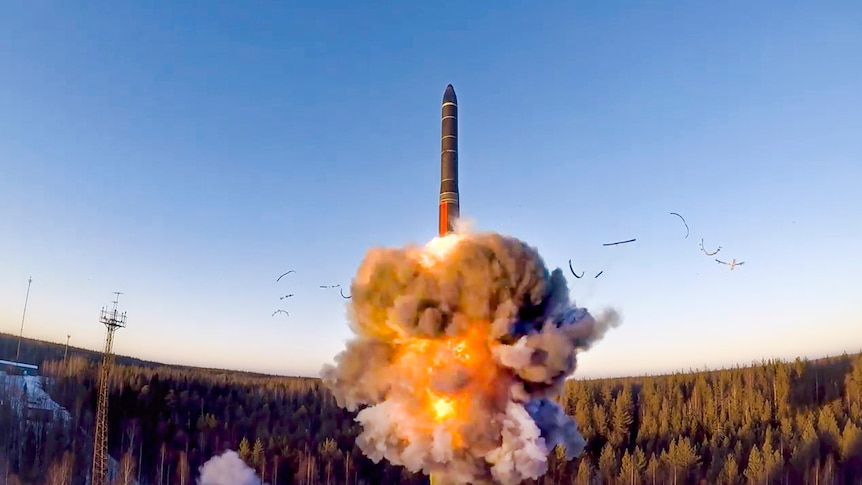
The United States has accused China of conducting secret nuclear tests, intensifying calls for a new arms control agreement. This claim emerged shortly after the expiration of the New START Treaty on March 1, 2024, which had been a cornerstone in limiting nuclear arsenals between the two nations.
The allegations suggest that China may be advancing its nuclear capabilities in ways that could destabilize global security. In light of these developments, the U.S. government is urging Beijing to engage in discussions that would lead to a framework for limiting nuclear weapon deployment.
New START Treaty Expiration Raises Concerns
The New START Treaty, which was signed in 2010, established limits on the number of strategic nuclear warheads that the U.S. and Russia could possess. With its expiration, there is heightened concern about the future of nuclear arms control, especially as tensions between major powers persist.
U.S. officials have expressed the necessity of including China in any new arms control talks, as their nuclear stockpile has grown significantly in recent years. According to the Stockholm International Peace Research Institute, China is estimated to possess approximately 400 nuclear warheads, a number that is expected to increase in the coming years.
The U.S. maintains about 5,400 nuclear warheads, while Russia has around 6,375, making a new trilateral agreement crucial for ensuring strategic stability.
International Reactions to the Allegations
China has vehemently denied the U.S. accusations, labeling them as unsubstantiated and politically motivated. The Chinese government insists that its military capabilities are defensive in nature. This ongoing dialogue will likely shape not only U.S.-China relations but also influence global nuclear dynamics.
The implications of these allegations could be profound. Should the U.S. and China fail to establish a new agreement, the risk of an arms race could escalate, raising tensions internationally. Experts emphasize the importance of diplomatic engagement to mitigate these risks and foster an environment conducive to peace.
The U.S. Congress has already signaled its support for renewed arms control efforts, highlighting the urgent need for collaboration among nuclear powers. The upcoming months will be critical as both nations navigate these complex discussions.
As the world watches, the focus remains on whether the U.S. can effectively persuade China to join in a renewed commitment to nuclear arms control, ensuring a more stable future for international security.