



























The Eurovision Song Contest is facing significant turmoil as four countries have announced their intention to boycott the event in response to Israel’s participation in 2024. Spain, the Netherlands, Ireland, and Slovenia declared they would withdraw after the European Broadcasting Union (EBU) declined to hold a vote regarding Israel’s inclusion. The decision has sparked heated debates about the intersection of culture and geopolitics.
Israel’s participation has drawn criticism due to ongoing violence in Gaza, where the Israeli military has been accused of causing high civilian casualties in its conflict with Hamas. The Israeli government has denied the allegations of genocide, but the humanitarian crisis has led to widespread condemnation.
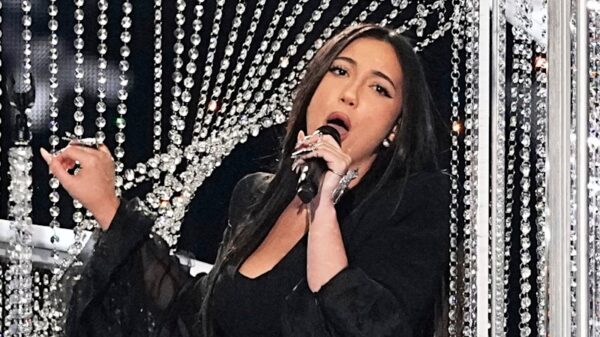
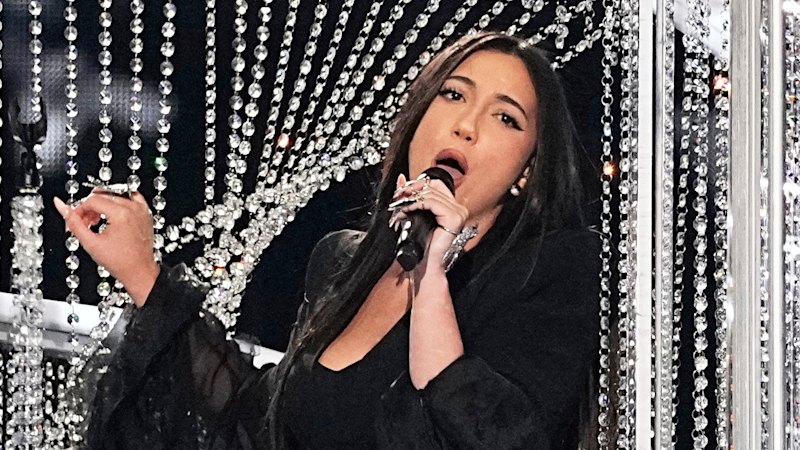
The announcement comes in the wake of a controversial campaign by Israel to promote its contestant, Yuval Raphael, who is a survivor of the Nova music festival attack. The Israeli government advertising agency reportedly engaged in extensive social media promotion, encouraging votes for Raphael. This strategy raised concerns among some Eurovision members, who argued it undermined the spirit of the contest, which is celebrated for its unifying and entertaining characteristics.
The EBU, which oversees the annual contest, stated that it intends to implement new rules aimed at preventing excessive governmental influence in voting. In a statement, the EBU noted, “This vote means that all EBU Members who wish to participate in the Eurovision Song Contest 2026 and agree to comply with the new rules are eligible to take part.”
Despite its reputation for fostering friendly competition among nations, Eurovision has become increasingly politicized in recent years. In 2022, Russia was barred from the contest due to its invasion of Ukraine, and Ukraine went on to win that year’s event, symbolizing solidarity in the face of adversity.
The conflict in Gaza has intensified following the deadly attack by Hamas on October 7, 2023, which resulted in the deaths of 1,200 people in southern Israel. The Hamas-run Health Ministry claims that over 70,000 Palestinians have died in the military campaign, a figure that does not distinguish between civilians and combatants.
As the situation continues to evolve, Ireland’s national broadcaster, RTE, stated that Israel’s participation is “unconscionable given the appalling loss of lives in Gaza and the humanitarian crisis there.” Similarly, the Dutch broadcaster Avrotros expressed that under current circumstances, participation could not align with their public values. Spain’s RTVE and Slovenia’s national broadcaster echoed these sentiments, confirming their withdrawal.
In response to the backlash, Israeli President Isaac Herzog expressed gratitude towards Eurovision members who supported Israel’s participation. He stated, “I am pleased that Israel will once again participate in the Eurovision Song Contest, and I hope that the competition will remain one that champions culture, music, friendship between nations, and cross-border cultural understanding.”
The 2024 Eurovision Song Contest is set to take place in Vienna, and the absence of competitors from the boycotting nations may significantly impact the event’s dynamics. With the tension between culture and politics growing, the future of the contest remains uncertain as organizers navigate these complex issues.