










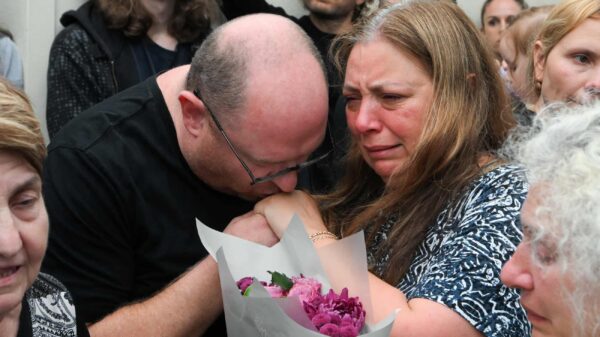
















In the wake of the tragic events at Bondi Beach, where a violent attack deeply affected the Jewish community, many are grappling with feelings of insecurity and contemplating emigration to Israel. The incident has raised significant concerns about antisemitism in Australia, with some community members expressing disappointment in the government’s response to rising hate crimes.
December 17, 2023, marked a day of mourning for the Jewish community following a horrific attack that left several injured and intensified fears of antisemitism. The public outcry included strong sentiments from individuals urging their fellow Jews to remain in Australia, emphasizing their vital contributions to the nation. Deborah Morrison, writing from Malvern East, poignantly urged the community to stay, stating, “You are a blessing to this nation.”
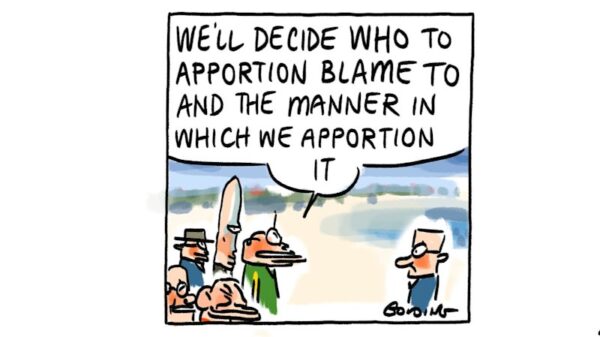
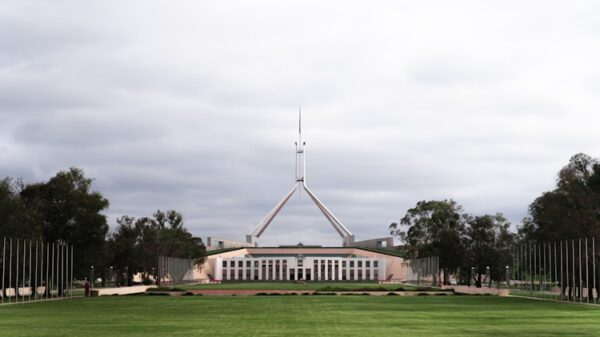
The attack has led to a renewed focus on the Australian government’s handling of antisemitism. Critics, including former Prime Minister John Howard, have accused current Prime Minister Anthony Albanese of not doing enough to address the issue. Howard’s comments have drawn backlash from various quarters, asserting that using the tragedy for political gain is inappropriate.
While some argue that gun control measures could help prevent such violence, others highlight the need to confront the underlying hate that fuels antisemitism. William Holmes from Kew stated, “The real answer is to stop this unfettered antisemitism which has been totally out of control for more than two years.”
The diverse responses to the Bondi attack reflect a broader sentiment among Australians about the rising tide of hate. Vikki O’Neill, a resident of Ashburton, expressed her disbelief at the existence of such racial hatred in a country known for its multiculturalism.
Calls for Unity and Support
In light of the tragedy, many have called for solidarity with the Jewish community. Carolyn King from Malvern East encouraged people to reach out to their Jewish friends and express their support, highlighting the community’s contributions to Australian society through friendship, culture, and philanthropy.
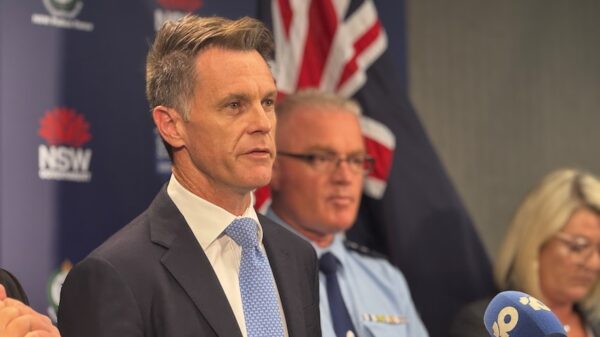
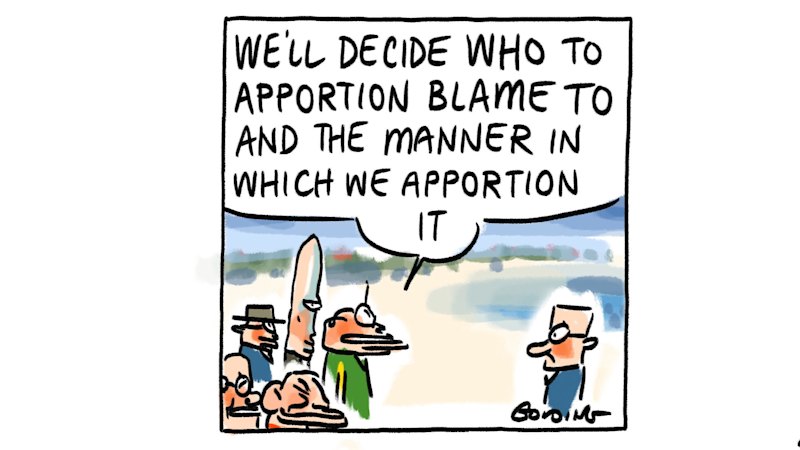
The sentiment for unity was echoed by other commentators who criticized political leaders for using the attack as a platform for political messaging rather than fostering a collective response. Christina Hart, a resident of Nunawading, emphasized that leadership should prioritize support for those grieving rather than scoring political points.
Debate Over Government Action
The discourse around the Bondi attack has sparked a fierce debate on the effectiveness of current government measures against antisemitism. Some critics point to the lack of specific actions taken by the Albanese government, arguing that the response has been inadequate. Yet others defend the government’s position, asserting that supporting a two-state solution and recognizing Palestine does not equate to endorsing antisemitism.
Abdul Salam, a practicing Muslim from Hassall Grove, expressed his dismay at the actions taken in the name of Islam, reaffirming that such violence contradicts the core tenets of his faith. “Evil has hijacked my religion for its own agenda,” he stated, calling for a united front against all forms of hate.
As the nation reflects on the implications of this tragedy, the focus remains on how to address the root causes of violence and hate, ensuring that the rights and safety of all communities are protected. The conversation surrounding gun control, national security, and social cohesion is likely to continue as leaders and citizens alike seek to navigate the complex landscape of contemporary Australia.
In the coming weeks, the nation will look to its leaders to offer guidance and reassurance to a community shaken by fear and uncertainty. As the Jewish community contemplates its future, it is clear that the path forward will require a collective commitment to combat hate and foster unity across all sectors of society.