





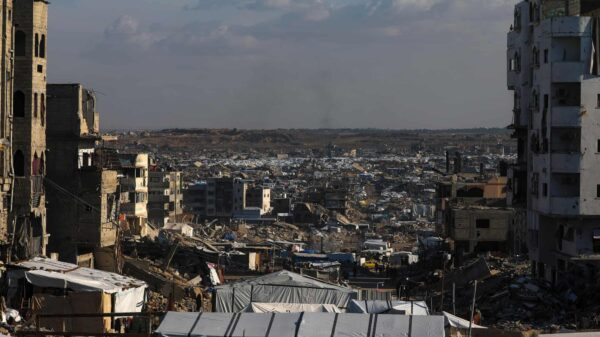











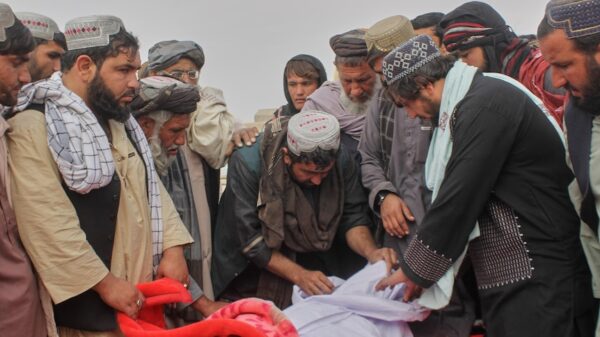
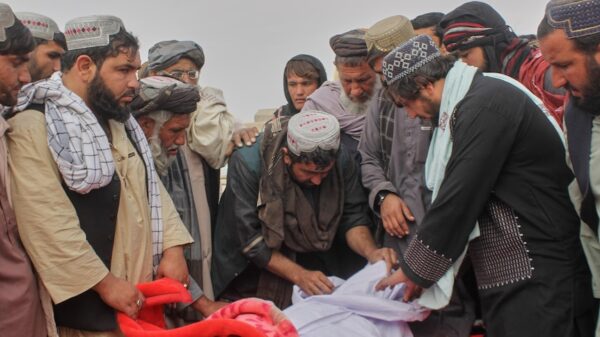

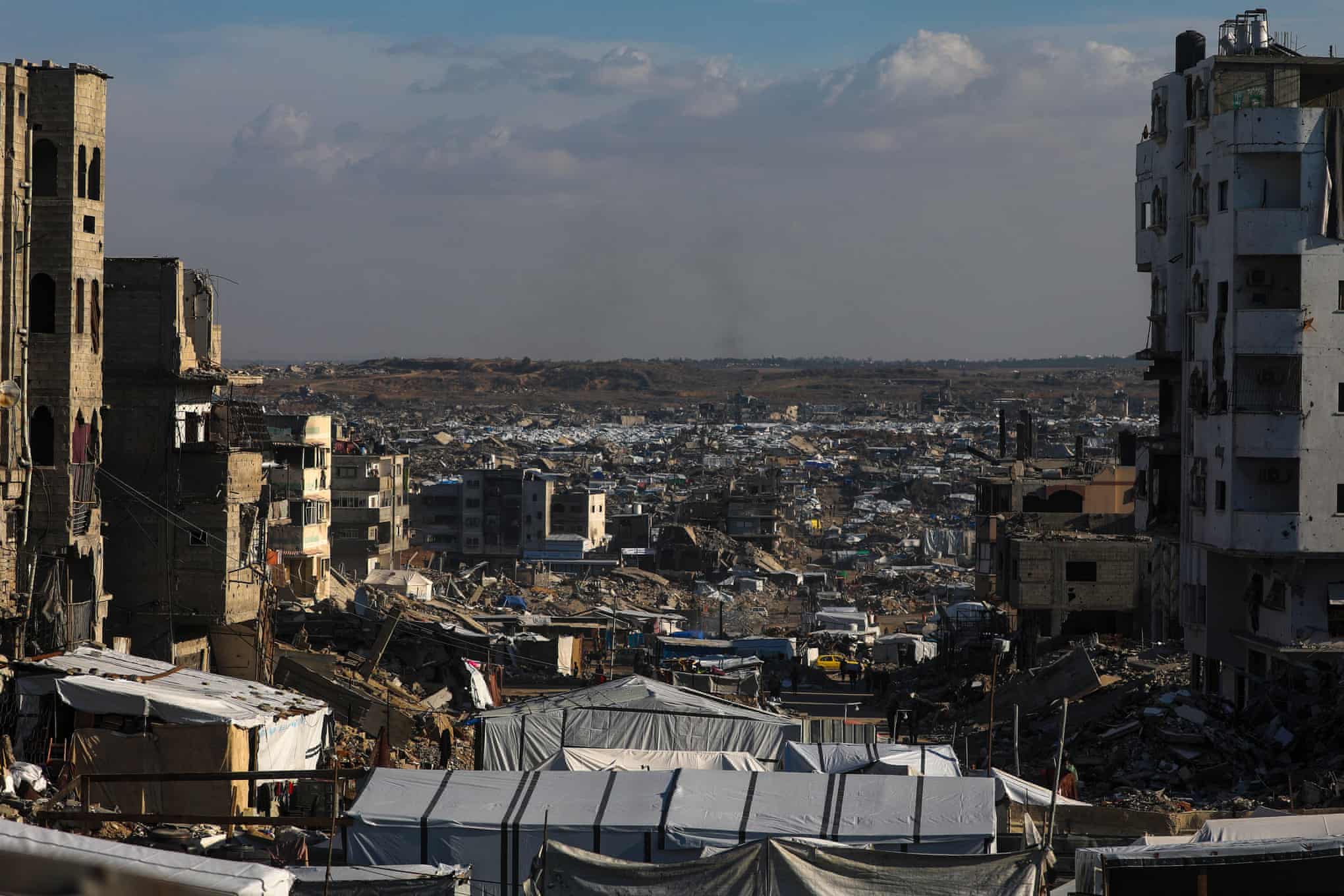
The plight of Palestinians, particularly those in Gaza, is intensifying as their world shrinks both geographically and socially. The situation has become dire, with many residents of Gaza City facing displacement, violence, and severe shortages of basic necessities. Plestia Alaqad, an award-winning journalist who left Gaza in November 2023, shares her experiences of navigating a world that increasingly marginalizes her identity and restricts her movement.
Allegations of systematic displacement and violence in Gaza have been reported extensively. Alaqad highlights the harsh realities of her life outside Gaza, marked by repeated visa rejections and prolonged waits at airports. Each encounter with officials often leads to confusion over her Palestinian passport. “I watch people behind the counters staring at my Palestinian passport with confusion,” she recounts, illustrating the barriers faced by many Palestinians seeking to travel or relocate.
The complexity of identity is a recurring theme in Alaqad’s reflections. She emphasizes the stark contrast in treatment between individuals holding different passports. “If I have a western passport, I will suddenly stop being a threat,” she notes, highlighting the double standards that exist globally. This perception extends beyond borders, as Alaqad expresses the deep frustration of being perceived as a security risk simply due to her nationality.
As the situation in Gaza deteriorates, the concept of a ceasefire is questioned. Alaqad argues that the term is misleading when families are still displaced and living in tents, struggling against the elements. “How can it be called a ceasefire when people are still displaced in tents?” she asks, pointing out the harsh reality faced by thousands of families who are now without adequate shelter.
Winter, once a cherished season for Alaqad, has transformed into a symbol of suffering. The change in her perspective is stark; she recalls fond memories of cozy nights spent by the fireplace, contrasting them with the current conditions where displaced families endure harsh weather without proper clothing. “Now winter in Gaza means thousands of displaced families soaked by the rain,” she explains, underscoring the human cost of ongoing conflict.
The global response to the plight of Gazans remains a source of distress for Alaqad. While international discussions continue regarding politics, borders, and aid, she urges people to remember that decisions made in boardrooms affect real lives. “Every decision determines whether a family sleeps dry or soaked, warm or freezing, alive or gone,” she emphasizes.
The psychological impact of being a Palestinian is profound. Alaqad reflects on how the world seems to recognize Palestinian suffering only in moments of tragedy, while daily struggles for existence are often overlooked. “People mourn us when we die, but fear us when we live,” she laments, revealing a painful truth about the perception of Palestinians in the international community.
As she navigates her identity, both within Gaza and beyond, Alaqad poses a poignant question inspired by the poet Mahmoud Darwish: “Where should the birds fly after the last sky?” This inquiry encapsulates the existential crisis faced by many Palestinians, trapped by borders and conflict, both at home and in the wider world.
In sharing her story, Plestia Alaqad sheds light on the urgent need for a more compassionate and nuanced understanding of the Palestinian experience. Her narrative serves as a reminder of the human impact behind the political discourse, urging the global community to see beyond borders and recognize the humanity of all individuals, regardless of their nationality.