












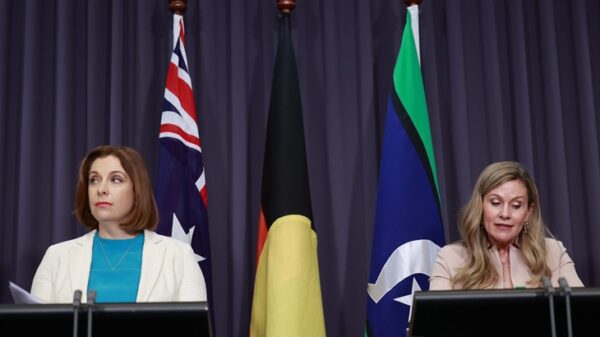























Tasmania has announced a new pilot program aimed at enhancing support for victims of family, domestic, and sexual violence. The initiative, funded by the Albanese Labor Government, aims to improve the primary care response by equipping local general practitioners (GPs) and healthcare workers with the training and resources needed to assist victim-survivors effectively.
Primary care often serves as the initial point of contact for individuals facing family and domestic violence, including cases of child sexual abuse. This pilot program will train GPs, Aboriginal Health Services, and primary care staff such as receptionists and practice nurses to better recognize, respond to, and refer survivors to specialized services. This initiative is particularly timely, coinciding with the United Nations’ global 16 Days of Activism against Gender-Based Violence campaign.
Statistics from 2021-22 indicate that 1 in 4 women and 1 in 14 men have experienced violence from an intimate partner since the age of 15. Additionally, 13% of adults reported witnessing partner violence against a parent before reaching 15 years of age. These figures highlight the urgent need for effective support mechanisms within the healthcare system.
The program is part of a broader strategy that includes $5.4 million allocated for the pilot and a total of $48.7 million AUD over four years to develop 11 pilot programs. This funding supports the Albanese Government’s National Plan to End Violence against Women and Children 2022-2032.
The pilot will be delivered by the Safer Families Centre, commissioned by Primary Health Tasmania (TASPHN), with additional support from Engender Equality and Laurel House. These organizations will work together to integrate support services and ensure a cohesive response for victim-survivors.
Assistant Minister for Women, Assistant Minister for Health and Aged Care, and Assistant Minister for Indigenous Health emphasized the significance of this program. “Family, domestic and sexual violence has devastating impacts on individuals, families, and communities, disproportionately affecting women and children,” they stated. They added that primary care must be a safe space where victim-survivors feel supported and can access the help they need.
The Minister further explained that the effects of violence extend beyond immediate physical harm, impacting mental health and overall well-being. “This pilot will provide GPs and primary care workers with the training and support necessary to recognize the signs of violence and connect survivors to specialist services,” they noted.
Additionally, the program aims to foster a culture of understanding and empathy around sexual violence through education. “Education equips individuals with the knowledge to recognize abuse, challenge harmful attitudes, and provide appropriate support to victims,” the Minister stated.
By reinforcing the connections between primary care providers and specialist services, this pilot program is designed to create a seamless pathway for those seeking assistance. The government aims to ensure that every point of contact within the healthcare system can lead to safety and recovery for victim-survivors.
As the initiative rolls out, it seeks to change how healthcare providers approach and manage cases of family violence, ensuring that victims receive the compassionate care and practical support they deserve.