






















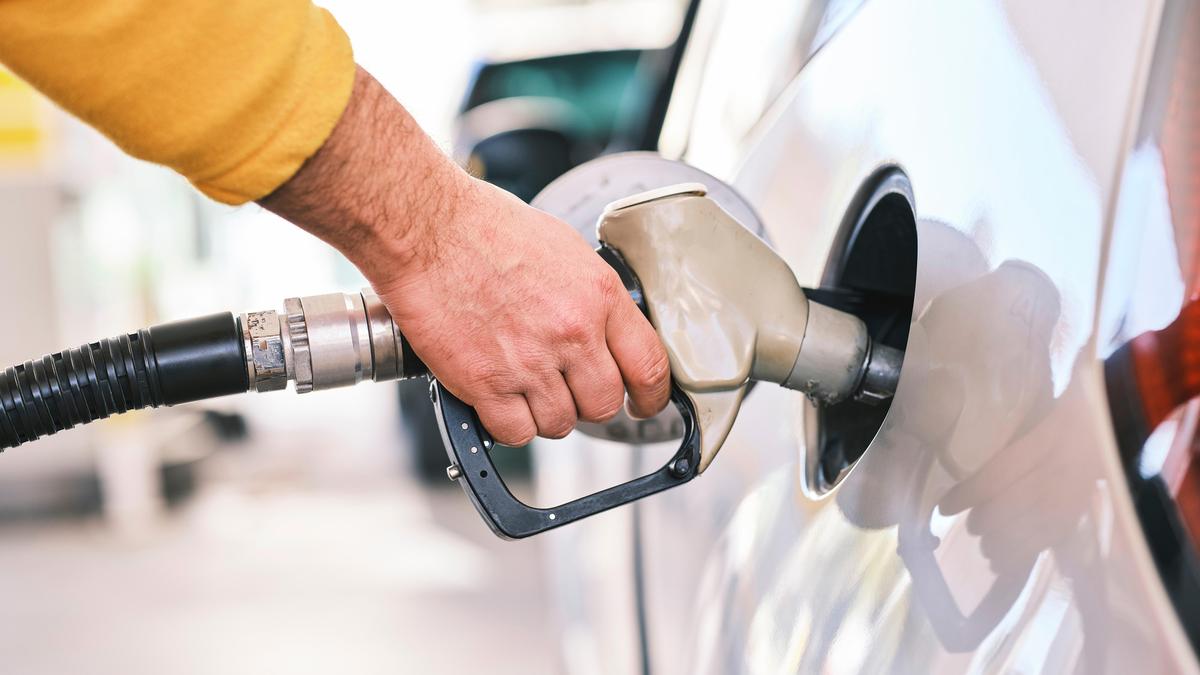
The administration of President Donald Trump has proposed significant changes to the fuel economy targets for automakers. This move comes after the National Highway Traffic Safety Administration (NHTSA) under President Joe Biden successfully revised the Corporate Average Fuel Economy (CAFE) standards in 2024. The new proposal suggests that CAFE standards will only increase by between 0.25 and 0.5 percent annually, ultimately aiming for a target of 34.5 miles per gallon (6.8 L/100 km) by 2031. This is a dramatic reduction from the previous target of 50.4 mpg (4.7 L/100 km) established under Biden’s administration.
The Biden-era rules were intended to motivate automakers to focus on creating electric vehicles (EVs) without outright banning petrol and diesel sales. NHTSA projected that the previous standards would lead to a reduction in fuel consumption by approximately 200 billion gallons (757 billion liters) by 2050. In contrast, the European Union has taken a more aggressive approach, implementing regulations that effectively prohibit the sale of new petrol and diesel vehicles by 2035.
With EV sales growth slowing down, some automakers in the EU are advocating for the inclusion of hybrid and plug-in hybrid vehicles, as well as eco-fuels, in future regulations. Meanwhile, NHTSA is also considering reclassifying car-based SUVs and small off-road vehicles as passenger vehicles, which would change their current classification as light trucks alongside pickup trucks.
Another significant aspect of the proposed rule change is the potential elimination of credit trading by 2028. NHTSA claims this practice has benefited EV-exclusive manufacturers, such as Tesla, allowing them to sell credits to other, non-EV manufacturers.
Public input is crucial at this stage, as NHTSA has opened a 45-day comment period for stakeholders to provide their feedback. A public hearing will also take place before the comment period concludes, with potential revisions to the proposal expected based on the responses received.
The White House has positioned these rule changes as a strategy to combat rising new car prices. Nevertheless, experts suggest that the adjustments may not lead to immediate price reductions for new vehicles. This is particularly relevant given that the current administration has already set the penalty for breaching CAFE standards to zero dollars.
This proposed rollback of fuel economy standards marks a continuation of the current administration’s efforts to relax emissions regulations. In addition to reducing fines for CAFE violations, the administration has also discontinued the $7,500 federal EV tax credit as of September and has prohibited California from setting its own emissions standards, a policy followed by 17 states.
Reactions to the proposed changes have been mixed. Ford CEO Jim Farley hailed the relaxed CAFE rules as a “victory for common sense and affordability.” In contrast, Stellantis CEO Antonio Filosa expressed enthusiasm for the opportunity to increase V8 production, indicating significant plans for the upcoming years.
On the other hand, environmental advocates have voiced strong opposition to the modifications. California Governor Gavin Newsom criticized the proposed changes, stating they would “gut fuel economy standards” and force Americans to spend billions more at the pump, while simultaneously worsening air quality in communities across the state.
The future of fuel economy standards in the United States now hinges on public response and the forthcoming hearing, as stakeholders assess the potential implications of these regulatory changes.