


















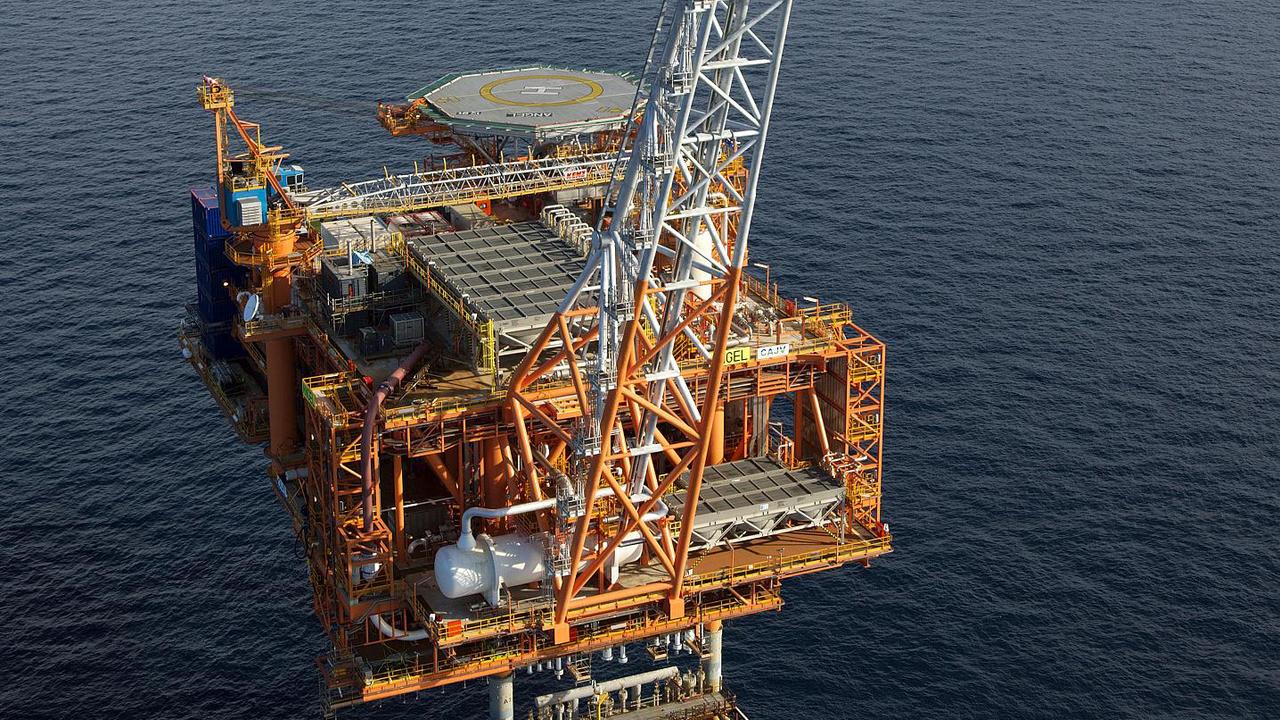
UPDATE: East Timor’s president, Jose Ramos-Horta, has announced a breakthrough in the long-stalled gas project with Australia’s Woodside Energy, marking a potential turning point after decades of delays. In a statement earlier today, he emphasized that a new era of trust between the nations could finally unlock the development of the Greater Sunrise fields, which contain an estimated 5.1 trillion cubic feet of gas.
The agreement reached last week outlines a plan to study a 5 million-tonne gas project, with production expected to start by 2032-35. This timeline is significant as it is the first definitive schedule agreed upon by both parties, reflecting a major shift in negotiations that have been ongoing since the 1980s.
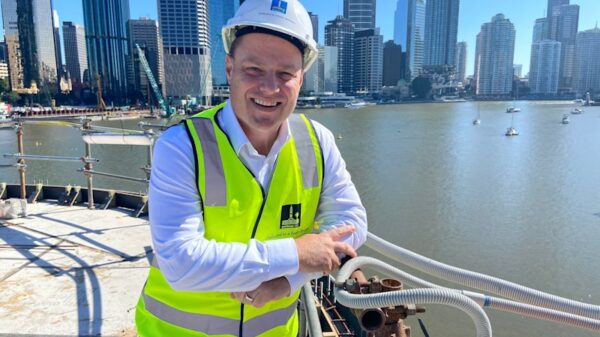
Ramos-Horta highlighted the enhanced goodwill between East Timor and Australia, stating, “I think there is a level of trust … that did not exist before.” This sentiment comes after years of criticism from Dili towards Canberra and Woodside over the project’s prolonged delays. The president’s comments were made during a visit to Perth, where he noted the positive changes in the pace of work and the supportive remarks from Prime Minister Anthony Albanese.
The project has faced numerous hurdles, including a contentious maritime boundary dispute that was resolved in 2018. Previously, disagreements over whether to route gas to Darwin or establish a liquefied natural gas plant on East Timor’s south coast stalled progress. However, under CEO Meg O’Neill, Woodside has shifted its stance, moving away from insisting on a Darwin solution.
Despite the shift, Woodside has yet to officially endorse the East Timor development plan. Analysts estimate that constructing an onshore plant in East Timor could cost an additional $5 billion compared to Darwin, but strategic geopolitical concerns may compel Australia to reconsider its position.
Ramos-Horta expressed East Timor’s preference to collaborate with Australia and partners like Osaka Gas of Japan rather than Chinese firms interested in the project. “Australia is indispensable to Timor Leste’s interests, to its security, to its economic wellbeing,” he stressed, reinforcing the importance of this partnership.
In a bold statement, he added, “We are so confident of the Timor option that we don’t have any contingency plan,” showcasing East Timor’s commitment to developing the onshore concept and its potential to stimulate new industries.
This development is not just an economic opportunity; it represents a significant geopolitical shift in the region, with implications for energy security and international relations. As the situation evolves, all eyes will be on how this renewed trust translates into action and tangible results for both East Timor and Australia.
Stay tuned for further updates as the situation develops and stakeholders respond to this urgent announcement.