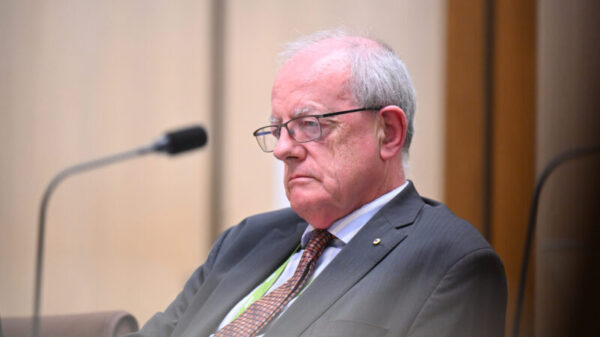


































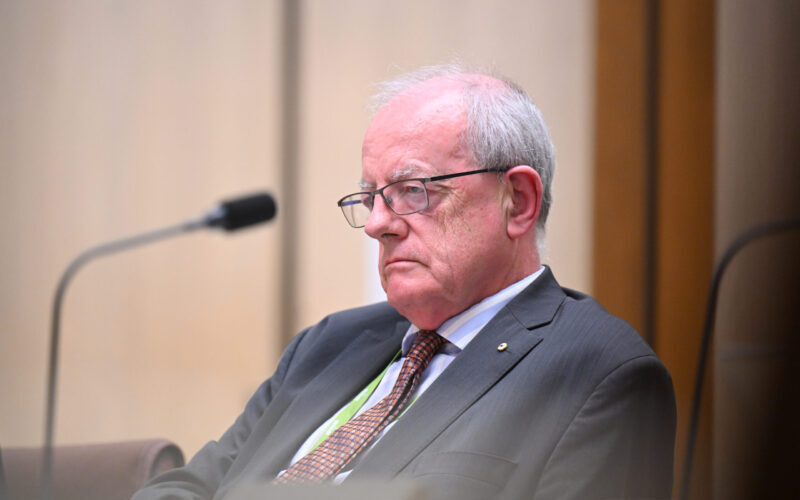
URGENT UPDATE: Calls for the resignation of Paul Brereton, Commissioner of the National Anti-Corruption Commission (NACC), have intensified as new evidence reveals a disturbing pattern of misleading statements. Senator David Shoebridge stated, “It’s clear he cannot stay Commissioner without major impacts on trust in the NACC.”
The controversy erupted after the NACC announced in June 2024 that it would not investigate allegations of corrupt conduct against six individuals linked to the Robodebt scandal. This decision, which shocked many, came after Catherine Holmes SC, the Royal Commissioner, labeled the Robodebt scheme an “extraordinary saga” of “venality, incompetence, and cowardice.”
In a brief media statement, the NACC claimed that Brereton had “delegated” the decision-making process to a deputy commissioner “to avoid any possible perception of a conflict of interest.” However, a review by NACC Inspector Gail Furness SC found that Brereton’s involvement was “comprehensive” and amounted to “officer misconduct.”
During a parliamentary hearing on November 22, 2024, Brereton provided two misleading statements regarding the Robodebt referrals. Furness was forced to correct him, emphasizing that Holmes had indeed indicated the potential for corrupt conduct in her referral to the NACC. Brereton had dismissed this suggestion as “highly speculative,” a claim disproven by Furness’s clarifications.
The scrutiny intensified as further evidence revealed Brereton’s misrepresentation of legal advice regarding the Robodebt referrals. He altered the language from “would” to “could” when discussing the implications of the advice, misleading Parliament about the seriousness of the allegations.
In addition, documents released under Freedom of Information revealed Brereton’s failure to accurately communicate his conflict of interest management to both his colleagues and the Attorney General. While he assured the Attorney General Mark Dreyfus that he would “recuse” himself, he did not formally do so, raising significant concerns about his integrity.
Now, as pressure mounts, Brereton faces another chance to address these allegations during his upcoming appearance at the Parliamentary Joint Committee on the NACC on December 11, 2024. Many are urging him to consider resignation, with sentiments growing that “enough is enough.”
The public demands accountability from the head of the integrity body, who is now under fire for failing to uphold the very principles he is meant to champion. With more than 1,200 complaints lodged against the NACC’s handling of the Robodebt referrals, the urgency for transparency and trust in the commission has never been more critical.
As developments continue to unfold, the integrity of the NACC and its leadership remains in jeopardy. The public and officials alike are watching closely to see how Brereton will respond to the mounting evidence against him.