

































URGENT UPDATE: The Government of Australia has just announced the addition of several new species to its endangered and critically endangered lists, highlighting an immediate need for conservation action. This pivotal decision comes as part of a comprehensive conservation plan aimed at reversing the alarming decline of biodiversity across the nation.
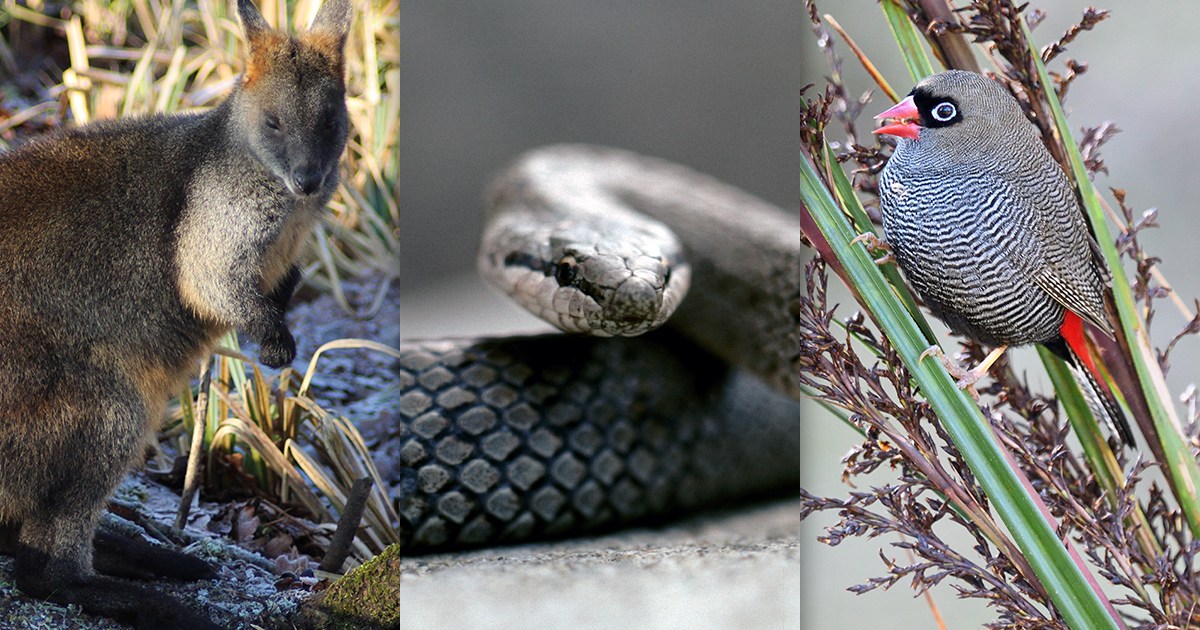
Officials confirmed that as of October 15, 2023, the government has identified 12 new species requiring urgent protection, including the Western Ground Parrot and the Northern Hairy-nosed Wombat. These species have faced devastating habitat loss and threats from climate change, making their inclusion on these lists crucial for their survival.
The announcement was made during a press conference in Canberra, where environmental officials detailed the government’s commitment to a robust conservation strategy that includes habitat restoration, community engagement, and strict penalties for illegal poaching. “This is a critical moment for Australia’s unique wildlife,” said Minister for the Environment, Dr. Susan Ley. “We must act now to ensure future generations can experience our rich biodiversity.”
This latest action is designed to galvanize public support for conservation efforts and to mobilize funding for protective measures. Experts warn that without immediate intervention, these species could face extinction within the next decade, further diminishing Australia’s rich natural heritage.
In addition to the new listings, the government has pledged to invest $5 million in immediate conservation initiatives, aiming to bolster local ecosystems and support affected communities. This funding will also aid in scientific research and the development of sustainable practices that benefit both wildlife and local economies.
The emotional impact of this announcement resonates with many Australians, as wildlife enthusiasts and conservationists rally to protect their unique flora and fauna. The government emphasizes the importance of collective action, encouraging citizens to participate in conservation programs and report any illegal activities threatening these vulnerable species.
As developments unfold, it’s essential for the public to stay informed about ongoing efforts and future initiatives. The government is expected to release further details on the conservation plan in the coming weeks, which will outline specific actions and timelines for recovery.
Stay tuned for updates as this situation progresses and join the conversation on social media to advocate for urgent wildlife protection measures. The time to act is now—our planet’s future depends on it.