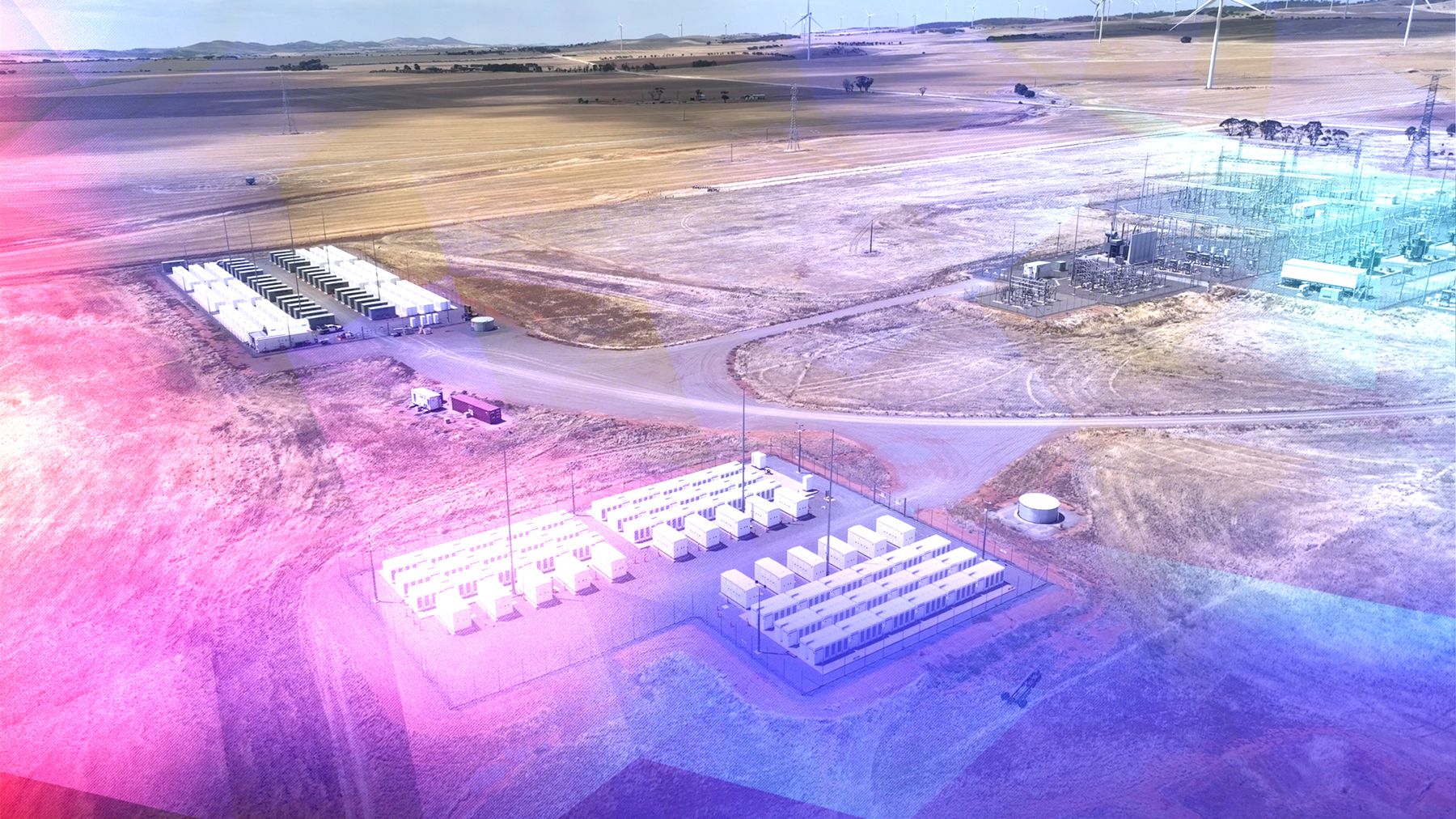
UPDATE: Tesla’s Hornsdale Power Reserve in South Australia is revolutionizing the nation’s energy landscape as a critical asset in the National Electricity Market. Following a recent visit to the facility, it’s clear that this groundbreaking project, established in 2017, has become a cornerstone of grid stability and renewable energy integration.
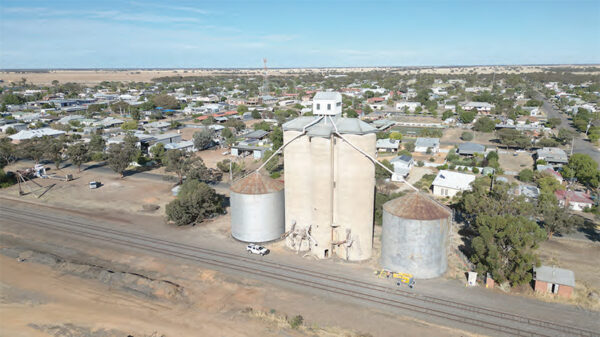
The trip, spanning over 2,000 kilometers from Wodonga to Hornsdale, highlights the facility’s significance and the advancements made in Australia’s energy sector. The Hornsdale Power Reserve now boasts a total capacity of 150MW and 194MWh of storage, providing essential services to the grid and significantly reducing reliance on fossil fuels.
As Australia grapples with the transition to renewable energy, the Hornsdale facility serves as a proof-of-concept for large-scale battery storage. Originally proposed after a statewide blackout, the project emerged from a Twitter exchange between Elon Musk and Atlassian co-founder Mike Cannon-Brookes. Musk’s bold promise to install 100MW of storage in 100 days was not only met but surpassed, with the battery operational in just over 60 days.
The impact of Hornsdale extends beyond its physical structure. The integration of Tesla Autobidder, a real-time AI trading platform, allows the facility to make instantaneous decisions that optimize energy trading. This technology can respond to grid fluctuations in as little as 0.14 seconds, ensuring stability and affordability in energy prices.
Collaboration with the Australian Energy Market Operator (AEMO) has further increased the facility’s value. Hornsdale provides approximately 15% of South Australia’s inertia needs, significantly reducing the need for costly gas peakers. Since its inception, the battery has generated over $150 million in savings for the market, a testament to its operational efficiency and importance in grid management.
The success of Hornsdale is prompting a surge in battery investments across the nation, with projects like the Victorian Big Battery following in its footsteps. As Australia aims to achieve 82% renewable energy by 2030, Hornsdale stands as a beacon of possibility, transforming skepticism into optimism for a sustainable energy future.
As I drove back from Hornsdale, witnessing this monumental shift firsthand, it was evident that Australia is on the brink of an energy revolution. With the convergence of hardware and software, the Hornsdale Power Reserve is not just a technical marvel but a symbol of hope and progress in combating climate change.
For more details about this innovative facility, visit https://hornsdalepowerreserve.com.au/.