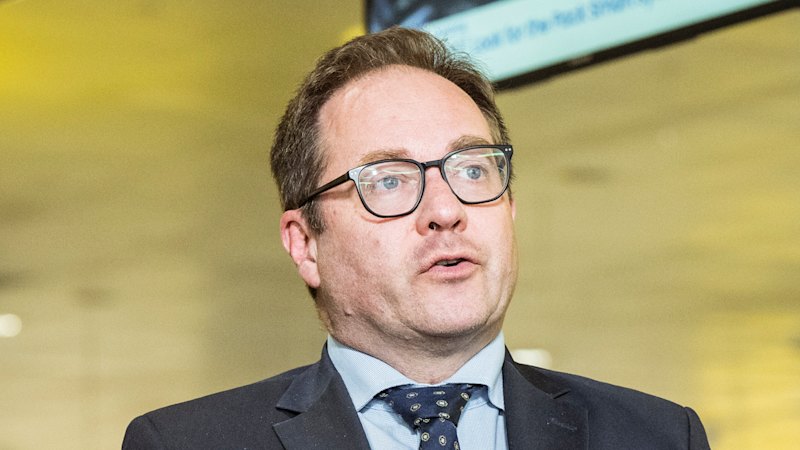
UPDATE: New reports confirm that Daniel Mulino, Australia’s Minister for Financial Services, is proposing a controversial levy on Self-Managed Superannuation Funds (SMSFs) to fund the Compensation Scheme of Last Resort (CSLR) as early as 2027. This plan aims to compensate victims of financial misconduct who have been unable to secure payments from financial institutions.
This proposal raises urgent questions regarding its fairness and impact. Critics are voicing strong concerns, questioning why SMSFs should be liable for compensating individuals affected by the misconduct of financial advisers, banks, and other entities. The proposal comes amid ongoing debates about the effectiveness of the current compensation system and the role of SMSFs within it.
The CSLR was established as a last-resort mechanism for consumers who have won their cases against financial service providers but have yet to receive compensation. The maximum payout is $150,000. However, many argue that SMSFs, which are independently managed, should not bear the cost for issues stemming from unrelated financial advisers or institutions.
Officials from the Australian Financial Complaints Authority (AFCA) maintain that SMSFs can lodge complaints against AFCA members, but these complaints must pertain to services provided to the fund. Complaints about the conduct of SMSF trustees are explicitly barred from AFCA hearings, creating a significant disconnect between SMSFs and the compensation scheme.
Critics say this proposal could unfairly burden small SMSFs, potentially placing them on the same financial responsibility level as large industry funds like AustralianSuper. The suggestion that all SMSFs should contribute to the CSLR has sparked outrage among fund managers and small investors alike, who argue it’s inequitable to charge them for compensation claims outside their control.
As the landscape of financial regulation evolves, stakeholders are demanding clarity from Mulino and financial authorities. The financial services sector is watching closely, as this proposal could significantly impact how funds operate and the costs they bear.
Next Steps: The proposal is still in the consideration phase, with no official timeline for when a decision will be made. Stakeholders are encouraged to voice their opinions and engage with financial representatives to advocate for fair treatment within the compensation framework.
This developing story is likely to influence how SMSFs are managed and perceived in the financial landscape moving forward. Stay tuned for further updates as this situation unfolds.