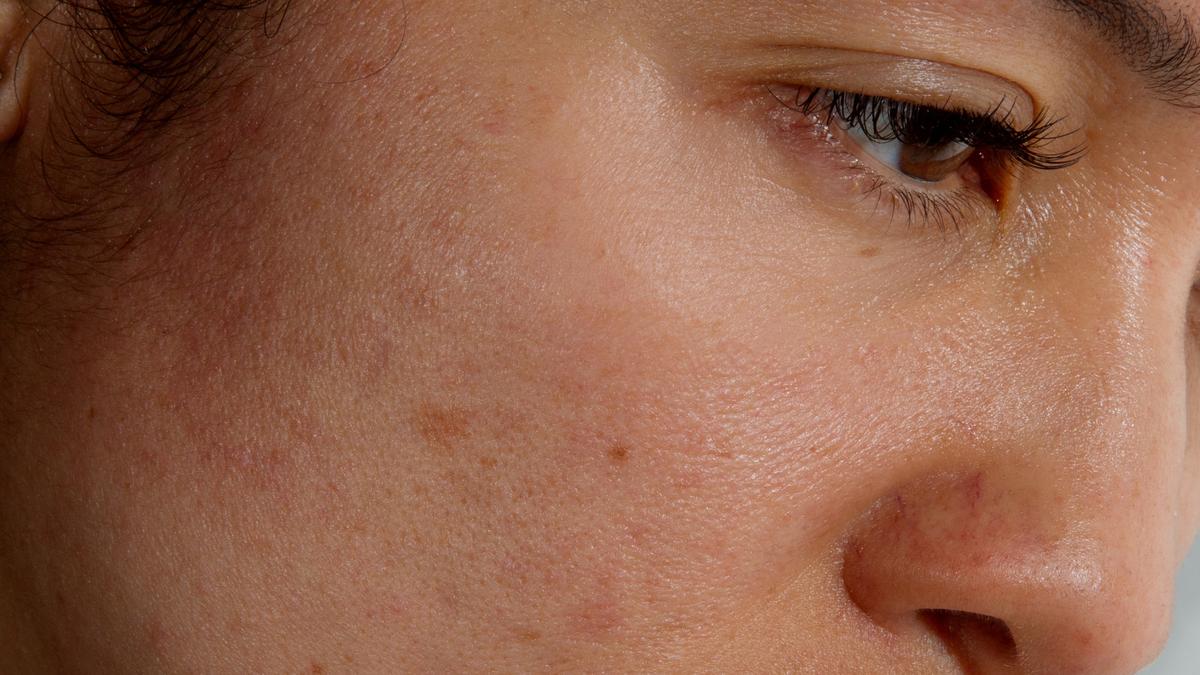
URGENT UPDATE: New reports indicate that rosacea symptoms are worsening for many adults in their 40s and 50s, with millions affected across the globe. Dermatologists warn that this condition, characterized by flushing, acne-like breakouts, and dilated blood vessels, is becoming increasingly severe as individuals age.
According to Dr. Julie C. Harper, a dermatologist based in Birmingham, Alabama, many patients do not experience symptoms until after age 30, but those already diagnosed often see a significant intensification of their flare-ups between ages 40 and 50. The urgency of addressing these symptoms is heightened, as chronic inflammation can lead to permanent skin changes if left unmanaged.
Recent studies have shown that rosacea can be triggered by various environmental factors, including sun exposure, spicy foods, stress, and extreme temperatures. Dr. Marie Leger from New York City emphasizes that identifying personal triggers is crucial, as avoiding them can significantly reduce the frequency and severity of flare-ups.
The emotional toll of worsening rosacea symptoms cannot be overlooked. Patients often report feelings of self-consciousness and frustration, particularly as the skin ages and becomes more sensitive. Dr. Dina Elrashidy from Chicago notes that symptoms may also include skin dryness, tightness, and even discomfort in the eyes, further impacting quality of life.
The reasons behind the increasing severity of rosacea in midlife remain unclear, but experts believe that prolonged exposure to triggers can lead to chronic inflammation, weakening the skin’s support structures. This process can cause blood vessels to become permanently dilated, resulting in persistent redness and visibility.
To effectively manage rosacea, dermatologists recommend several strategies:
1. **Avoid Triggers**: Understanding and steering clear of personal triggers can help minimize flare-ups, although some, like cold weather, may be unavoidable.
2. **Gentle Skincare Products**: Using moisturizing cleansers and avoiding irritating ingredients can soothe the skin. Products with sulfur are also recommended for their anti-inflammatory properties.
3. **Daily Sunscreen Use**: Experts advise wearing broad-spectrum sunscreen with at least SPF 30 daily, as sun exposure is a common trigger for rosacea.
4. **Prescription Medications**: Treatments like brimonidine gel and topical azelaic acid can help reduce redness and inflammation, while oral antibiotics may be prescribed during severe flare-ups.
5. **Laser Treatments**: For severe cases, laser therapy can effectively reduce redness and shrink blood vessels. Patients typically require multiple sessions for optimal results.
Dermatologists stress that it’s never too early or too late to seek professional advice for rosacea symptoms. A tailored management plan can empower patients to regain control over their skin condition, according to Dr. Harper.
With the increasing prevalence of rosacea symptoms in adults, experts urge those affected to consult with their dermatologists to discuss personalized treatment options. Increased awareness and proactive management can significantly improve not only skin appearance but also overall quality of life.
Stay tuned for more updates on this developing story as health officials continue to study the impacts of aging on skin conditions like rosacea.