
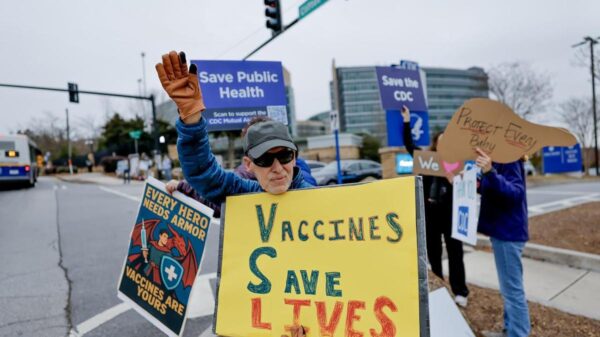



































UPDATE: In a shocking decision, a panel of vaccine advisers has just announced the removal of the long-standing recommendation for all US children to receive the hepatitis B vaccine at birth. This controversial shift represents a significant policy victory for Health Secretary Robert F. Kennedy Jr. and has ignited fierce debate among public health experts.
The committee voted to limit the birth dose of the vaccine strictly to infants whose mothers test positive for the hepatitis B virus. For infants of mothers who test negative, the panel now recommends that parents consult with healthcare providers to decide the timing and necessity of vaccinations. This marks a stark departure from the universal recommendation established in 1991, which has been instrumental in protecting children from potentially life-threatening infections.
Public health experts are alarmed by this decision. They argue that shifting to a model of shared clinical decision-making creates unnecessary barriers to vaccination, potentially endangering public health. Dr. William Schaffner, a preventive medicine specialist at Vanderbilt University Medical Center, stated, “I think you’ll see the American Academy of Pediatrics and other major medical organizations continue to advocate for the vaccine at birth.”
Under the previous guidelines, infants would receive a series of three hepatitis B shots, with the first dose administered at birth, followed by doses at one to two months and six to eighteen months. The newly scrapped recommendation advises parents to delay the first dose until at least two months of age and to test children for hepatitis B antibodies before administering subsequent shots.
This decision comes amid a broader shift in US vaccine policy initiated by Kennedy, who has been vocal in his opposition to vaccines. Since taking office in June 2023, he has replaced the committee’s independent experts with those who align more closely with his views. This includes eliminating broad recommendations for the COVID vaccine and advising against certain medications for pregnant mothers without scientific backing.
The World Health Organization has emphasized the importance of administering the hepatitis B vaccine as soon as possible after birth, followed by additional doses spaced at least four weeks apart. They warn that 95 percent of infected newborns risk developing chronic hepatitis, underscoring the potential life-altering implications of this policy change.
As this story develops, the impact on US health insurance coverage and vaccine administration protocols will be closely monitored. The committee’s recommendations play a crucial role in guiding physicians and determining the vaccines covered by health plans.
In light of these urgent changes, parents are urged to stay informed and consult with healthcare providers to make the best decisions for their children’s health. This significant shift in policy raises critical questions about the future of public health strategies in the United States and the implications for disease prevention.
Stay tuned for updates as this developing story unfolds.