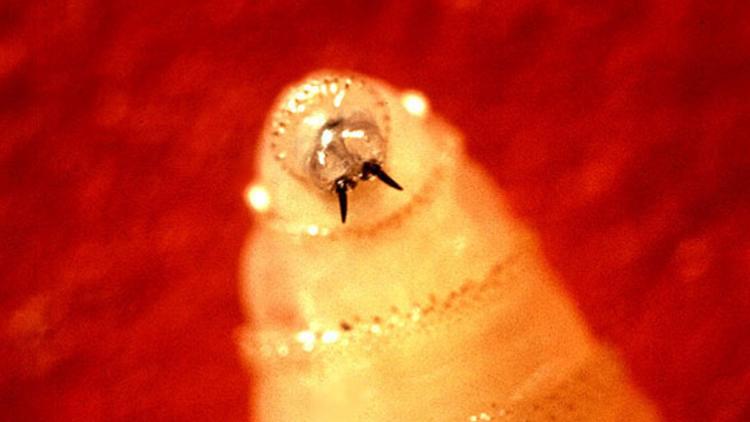
The threat of the screwworm, a parasitic pest that can devastate livestock, is rising as confirmed cases near the Texas border have reached **11**. This situation has prompted officials to issue a high alert, emphasizing the potential impact on the **US livestock industry**, valued at over **$600 billion**.
The **United States Department of Agriculture (USDA)** has been closely monitoring the situation, highlighting the urgency of preventing the screwworm from crossing into the United States from Mexico. This pest is known for its destructive capabilities, particularly its ability to infest the wounds of livestock, leading to severe health issues and economic losses.
Potential Economic Impact
The implications of a screwworm outbreak could be catastrophic for farmers and ranchers. If the pest breaches the border, it could compromise livestock health across vast regions, affecting cattle, sheep, and other animals critical to the American agricultural sector. According to the USDA, the impact could extend beyond immediate livestock losses, threatening jobs and livelihoods tied to the industry.
In response to the increasing number of cases, the USDA is implementing enhanced surveillance and control measures to mitigate the risk. These actions include working closely with Mexican authorities to monitor the situation and ensure that appropriate measures are in place to contain the pest.
Historical Context and Prevention Efforts
The screwworm has a historical presence in the United States, but it was eradicated in the 1980s through extensive control programs. Since then, vigilance has been crucial to preventing its return. The current concern highlights the importance of early detection and rapid response systems designed to protect the livestock industry.
Officials are urging ranchers and farmers to remain alert and report any suspicious signs of infestation. The USDA is providing resources and guidance to help stakeholders navigate this emerging threat effectively.
As the situation develops, the focus remains on preventing the screwworm from causing significant disruption. The economic stakes are high, and the collaboration between the USDA and local entities will be vital in safeguarding the livestock sector from this potential crisis.