



































UPDATE: A groundbreaking nationwide ban on social media for those under 16 will take effect on December 10, 2023, leaving parents and students across Australia racing to prepare. Cyber safety experts are raising alarms about potential student isolation as families struggle with the implications of this unprecedented move, which will affect popular platforms like Facebook, Instagram, Snapchat, YouTube, and TikTok.
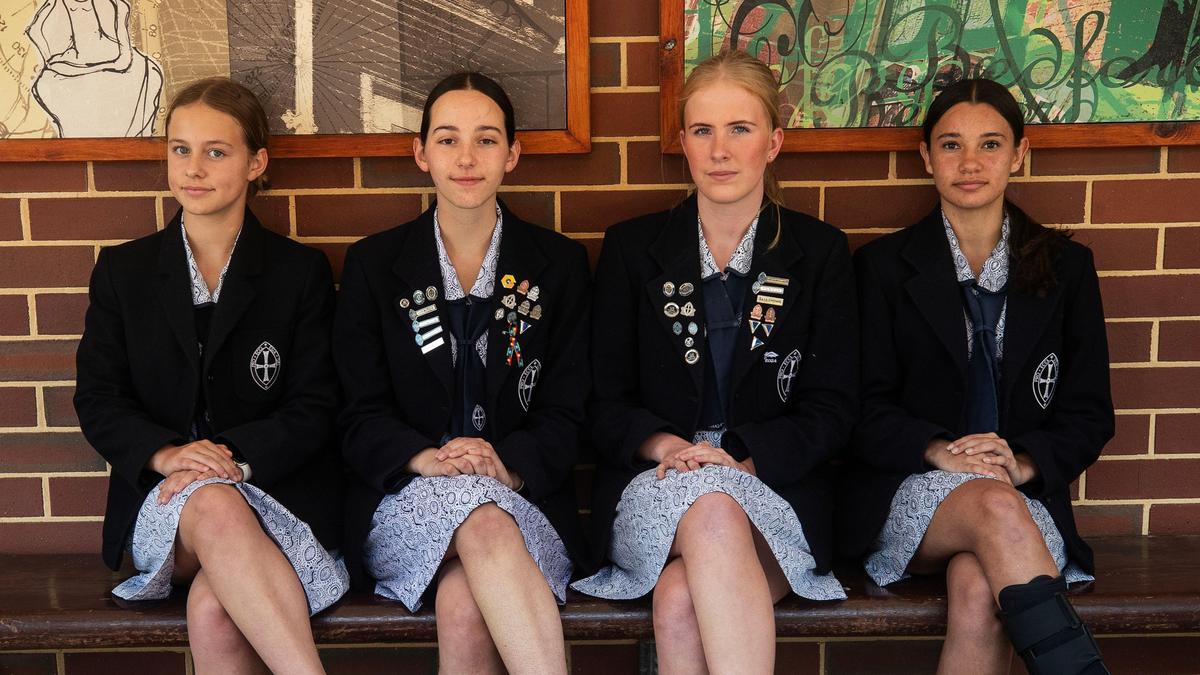
With students in Western Australia facing their final weekend of unrestricted social media use, concerns are mounting regarding the timing of the ban. Many private school students are already on summer break, while public schools will conclude classes just one week before the ban kicks in. Perth College director of wellbeing, Alana Maitland, stated, “The restrictions will come into effect during a period when students have significant free time, which means they will need to find alternative ways to keep busy.”
Schools across Perth have been proactive, offering information sessions to help families navigate this shift. However, experts like cyber safety educator Paris McNeil warn that confusion remains rampant. “Misinformation about the new policy is rife,” McNeil said, noting that incorrect claims about the ban being postponed until June 2026 have proliferated on social media.
The urgency surrounding this ban cannot be overstated. It marks a global first and could serve as a model for other countries. However, the lack of a regulatory body means the onus is on social media companies to implement age-verification systems effectively. Professor Daswin De Silva from La Trobe University highlighted this challenge: “The primary limitation is the absence of a regulating or governing body.”
As the ban approaches, experts are calling for parents to engage in open conversations with their children about the forthcoming changes. Tama Leaver, a social media expert at Curtin University, compared the ban’s rollout to “ripping off a Band-Aid really slowly,” indicating that gradual implementation could lead to emotional distress for teens reliant on these platforms for social interaction.
Schools like Perth College are stepping up, suggesting activities to fill the potential void left by social media. Ideas range from learning new skills such as cooking or sewing to engaging in podcasts, bowling, or journaling. Yet, the lack of support during the transition period raises fears about isolation and mental health risks for students.
The initial weeks of this ban will be crucial in determining its effectiveness. As Brittany Ferdinands, a lecturer at the University of Sydney, pointed out, the risk of pushing youth into “less visible online spaces” is significant. “If governments want to protect young people, investment in digital literacy and media education will be more effective than age bans,” she emphasized.
The conversation around this ban is just beginning, and as the Federal Government prepares to implement its historic policy, families and educators are left to manage the fallout and support students through a challenging transition. Authorities and experts are urging immediate action and open dialogue to ensure the well-being of the youth during this pivotal moment.
Stay tuned for updates as this developing story unfolds, and share your thoughts on how this ban might affect young Australians.
