
































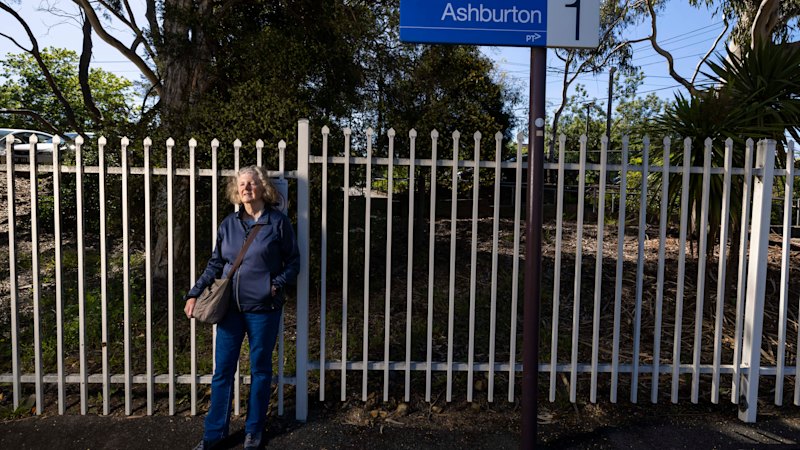
Research has revealed that residents in Melbourne’s outer suburbs contribute significantly more to carbon emissions compared to those living in the inner city. Specifically, outer-suburban residents generate 14 times more emissions from their daily commutes. The study highlights the pressing need for improved transport links between residential areas and employment hubs.
The findings suggest that enhancing public transport infrastructure could lead to a dramatic reduction in emissions—up to 80 percent. This information stems from a comprehensive analysis conducted by a reputable research organization focused on urban development and sustainability.
Understanding the Emission Disparity
According to the study, the disparity in carbon emissions is largely attributable to the increased distances that outer-suburban residents must travel. Many of these individuals rely on private vehicles for their commutes, which exacerbates the environmental impact. In contrast, those living in the inner city often have easier access to public transportation options, resulting in lower overall emissions.
The report indicates that without significant policy changes and investment in transport infrastructure, the trend of urban sprawl will continue to strain Melbourne’s environment. As the city expands, the transportation challenges faced by outer-suburban residents are likely to worsen.
Financial Implications of Urban Sprawl
The estimated cost of these emissions to Melbourne’s economy stands at a staggering $265 million annually. This figure reflects not only the environmental impact but also the economic burden associated with higher levels of pollution and traffic congestion.
City planners and policymakers are urged to consider the long-term benefits of investing in sustainable transport solutions. Improved transit options could not only reduce emissions but also enhance the quality of life for residents by providing them with more efficient ways to commute to work.
As Melbourne grapples with these challenges, the insights from this research could inform future urban development strategies. By prioritizing transport connectivity, the city can work towards a more sustainable future that balances growth with environmental responsibility.
The findings serve as a crucial reminder of the interconnectedness of urban planning, transportation, and climate change. Addressing the issues surrounding urban sprawl and its associated emissions is essential for Melbourne’s continued development and environmental health.