
























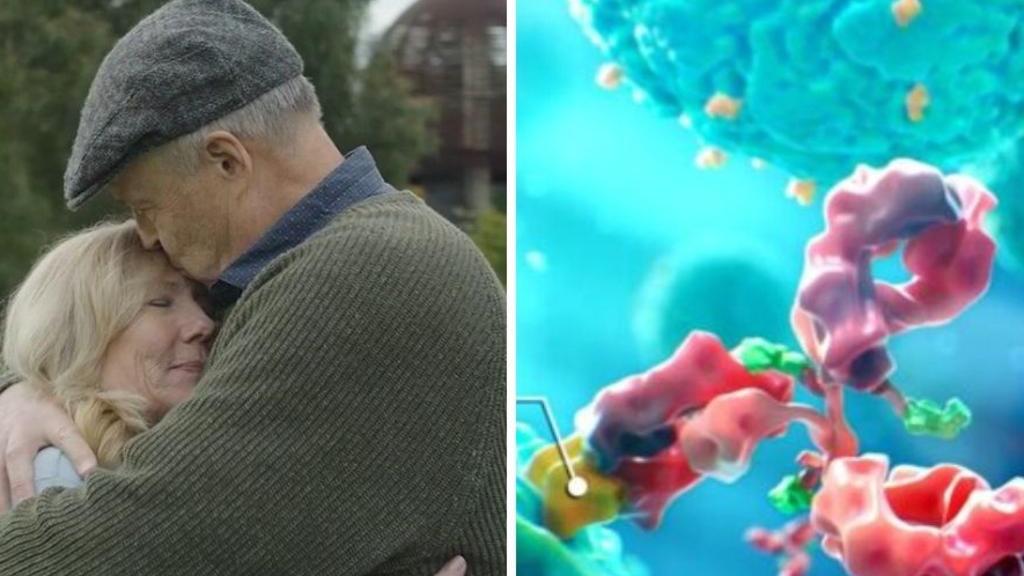
A Melbourne man, Ralph Markham, is navigating the challenges of an aggressive blood cancer diagnosis while seeking hope in emerging therapies. After living a joyful life with his wife, Cathy Markham, and their blended family, Ralph’s world was turned upside down by a diagnosis of multiple myeloma, a type of cancer that affects plasma cells in the bone marrow.
Ralph, aged 65, first met Cathy as a teenager in Canada. Their connection rekindled two decades later through Facebook, leading to a long-distance romance. Their relationship flourished, culminating in marriage and a shared life in Cranbourne South, Victoria.
“We were chums back in the day, part of the same friend group,” Ralph recalled fondly. After some early visits, including a memorable trip to Honolulu, Hawaii for their first date, Ralph realized the depth of his feelings for Cathy.
However, three years ago, Ralph’s health took a turn when he began experiencing unexplained illnesses. Subsequent blood tests led to the shocking diagnosis of multiple myeloma, which he had never heard of before. This incurable cancer weakens the immune system and can cause bone lesions and anemia.
In Australia, approximately 22,000 people are currently living with multiple myeloma, with more than 2,600 new diagnoses annually. The five-year survival rate for those affected is around 60.7%, significantly lower than for other common cancers.
Ralph’s initial treatment involved a combination known as VRD therapy and a stem cell transplant, but these approaches proved largely ineffective. The emotional toll on both Ralph and Cathy has been profound. “It’s a very strange place to be in because you are in anticipatory grief all the time,” Cathy expressed. “Time is very important. We don’t want to waste the time we have right now.”
Despite the challenges, the couple strives to maintain a sense of normalcy. They engage in physical activities like half-marathons and daily walks, adapting their routines to Ralph’s fluctuating energy levels. “Outwardly, you don’t look ill, but inwardly, you are just falling apart,” Ralph described.
In late 2023, Ralph retired from his role as a process engineer due to overwhelming fatigue, while Cathy transitioned to being his full-time caregiver. Their commitment to their community remains strong; they participate in support groups and volunteer whenever possible.
This year, they raised funds by running a half-marathon, demonstrating their resilience. Ralph stated, “It’s not the same pace as before, but it keeps us moving and focused.”
Amidst this backdrop, promising new treatments are emerging. Recently, Blenrep (belantamab mafodotin) received approval in Australia, targeting myeloma cells directly and is considered a significant advancement in treatment options. It is set to be available for eligible adults as part of a triplet combination therapy after at least one prior treatment.
In November, an application for its reimbursement through the Pharmaceutical Benefits Scheme (PBS) will be reviewed. Additionally, the immunotherapy drug Daratumumab (Darzalex) has been added to the PBS as a first-line treatment. Previously costing up to $440,000 for a full course, it will now be accessible for as little as $31.60 a month, greatly improving access for nearly 1,200 patients each year.
Advocates have hailed these developments as critical, noting that early and effective therapy can significantly extend patients’ quality of life. Professor Hang Quach, director of clinical haematology at St Vincent’s Hospital, emphasized the importance of new treatments, stating that “having a new ‘trojan horse’ treatment like Blenrep represents an important advance for patients who need new options in their second line of treatment.”
Ralph remains proactive about his health, following new treatments and clinical studies. He is particularly interested in the “successor” program, which tests new therapies not yet available in Australia. “It’s a commitment, but it’s also buying time,” he reflected.
As Ralph looks ahead, he holds onto hope for a cure within the next decade. “I believe a cure is on the horizon, hopefully within ten years, and I’d like to live long enough to see it or at least contribute to the research that will make it possible,” he said.
For the Markhams, every medical breakthrough signifies more than just progress; it is a renewed chance at life. “Every new treatment is another chance,” Ralph concluded, encapsulating the couple’s enduring hope in the face of adversity.