

































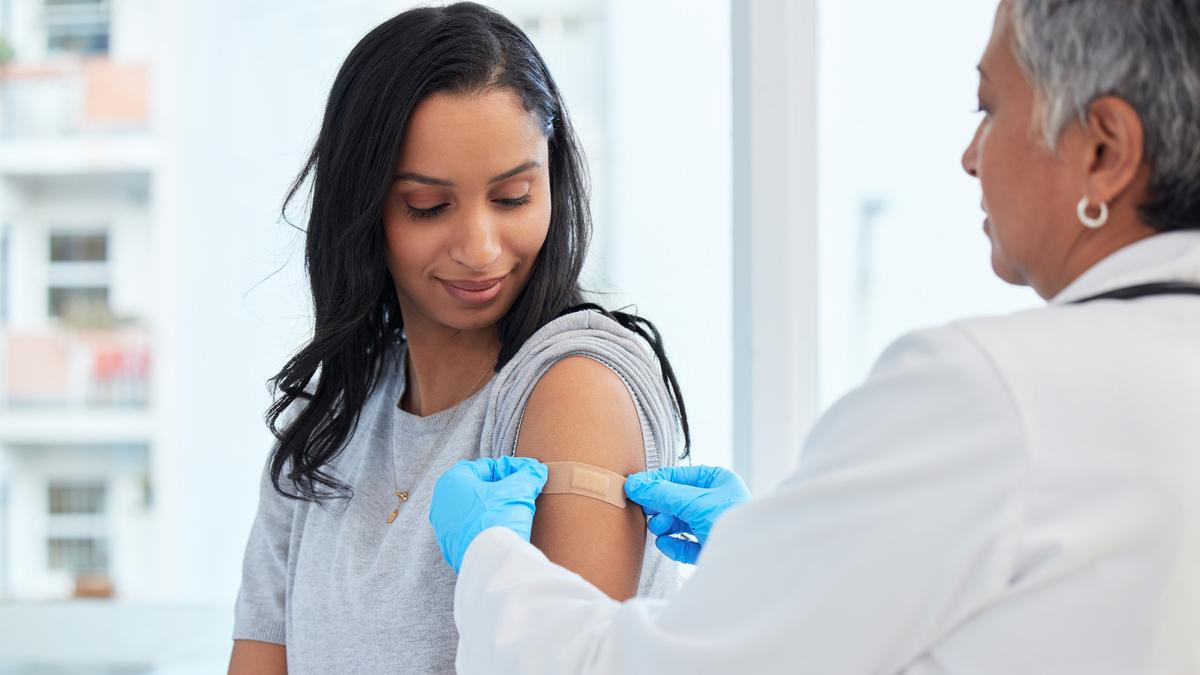
A large-scale study has revealed that the shingles vaccine, Zostavax, developed by Merck, significantly reduces the risk of death from dementia among older adults. The research, which followed over 14,000 seniors in Wales for nine years, indicates that those who received the vaccine were nearly 30 percentage points less likely to die from dementia compared to those who did not receive the injection.
The findings are particularly noteworthy as nearly half of the participants diagnosed with dementia at the start of the vaccination program ultimately succumbed to the disease. The study suggests that the vaccine may not only delay the onset of dementia but also offers therapeutic benefits to those already affected by the condition.
Implications of the Findings
Earlier this year, a separate study conducted in Wales found that participants who received the Zostavax vaccine were 20 percent less likely to develop dementia compared to their unvaccinated peers. According to Pascal Geldsetzer, the lead researcher from Stanford University, these recent findings highlight the potential of the shingles vaccine to provide both preventive and therapeutic effects against dementia.
Despite these promising results, the exact mechanisms through which the vaccine may protect against dementia remain unclear. Researchers speculate that it could enhance overall immune response, reduce reactivations of the varicella-zoster virus, or involve other processes entirely.
Another point of interest is the newer shingles vaccine, Shingrix, developed by GlaxoSmithKline. This vaccine, which is noted for its effectiveness in preventing shingles, may also have implications for dementia prevention and treatment. Researchers are yet to determine if Shingrix could provide similar or even greater benefits compared to Zostavax, especially considering the latter’s efficacy has diminished over time and it is no longer widely used in many countries.
Global Research Consistency
The research team has observed consistent results across various datasets, replicating the findings not only in Wales but also in health records from countries including England, Australia, New Zealand, and Canada. “We just keep seeing this strong protective signal for dementia in dataset after dataset,” Dr. Geldsetzer remarked, underscoring the robustness of the evidence gathered.
These findings could have significant implications for public health strategies, particularly as the global population ages and the incidence of dementia continues to rise. The potential for vaccines such as Zostavax and Shingrix to play a role in dementia prevention and treatment could lead to new approaches in managing this complex disease.
As research continues, the scientific community is urged to explore the therapeutic potential of the shingles vaccine further, potentially paving the way for new interventions that could improve the quality of life for millions affected by dementia worldwide.