






























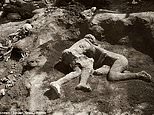




A recent archaeological discovery at the ancient city of Pompeii has unveiled significant insights into the foundations of the Roman Empire. Excavations near the site, famously buried by the eruption of Mount Vesuvius in 79 AD, have revealed artifacts that shed light on the economic practices and daily life of its inhabitants.
The findings include a series of well-preserved structures and items that suggest a sophisticated system of trade and commerce, previously thought to be less developed in this region. Archaeologists, working under the auspices of the Italian Ministry of Culture, have identified areas of the city that were once bustling marketplaces. These discoveries highlight the city’s role as a vital economic hub within the empire, challenging long-held beliefs about the limitations of trade in ancient Rome.
Among the most remarkable artifacts discovered are ancient coins, pottery, and tools that indicate a diverse range of goods being exchanged. The presence of Roman denarii and local produce suggests that Pompeii was not only a residential area but also a center for trade that connected various regions of the empire. This aspect of Pompeii’s history emphasizes the city’s importance in understanding the broader economic landscape of ancient Rome.
Implications for Understanding Roman History
The revelations from Pompeii have significant implications for historians and archaeologists alike. According to Dr. Maria Rossi, lead archaeologist at the site, “These findings provide invaluable insight into how the economy functioned in the heart of the Roman Empire.” The artifacts are expected to reshape the narrative of Pompeii from a mere victim of disaster to a lively contributor to the empire’s prosperity.
Researchers believe that the city’s strategic location contributed to its thriving trade. Positioned near the coast, Pompeii facilitated maritime commerce, allowing goods from distant lands to flow into the city. This interconnectedness with other regions underscores the importance of Pompeii in the larger framework of Roman economic and cultural exchange.
The excavation team plans to continue their work in the coming months, with hopes of uncovering more elements of daily life in Pompeii. They aim to piece together how its residents interacted with one another and the impact of trade on their lifestyles. “Understanding the daily lives of Pompeii’s citizens helps us appreciate the complexities of Roman society,” said Dr. Rossi.
Future Research and Preservation Efforts
As this discovery gains attention, it raises questions about the preservation of the site. The Italian government is considering measures to ensure that these newly uncovered areas are protected from potential damage caused by tourism and natural erosion. The balance between making these historical treasures accessible to the public and preserving them for future study is delicate.
In recent years, there has been a concerted effort to enhance the visitor experience at Pompeii while ensuring the site remains intact. With the influx of tourists expected to increase, experts emphasize the need for sustainable tourism practices that respect the historical significance of the area.
The ongoing excavations at Pompeii not only enrich our understanding of the Roman Empire but also serve as a reminder of the importance of archaeological sites in illuminating human history. As researchers continue to explore this ancient city, the secrets of Pompeii will undoubtedly reveal more about the civilization that built one of history’s greatest empires.