
































The Australian Christian Lobby (ACL) recently expressed concerns regarding proposed legislation aimed at banning conversion practices in Western Australia. In a meeting with WA Attorney General Tony Buti, ACL representatives conveyed their belief that the legislation might lead to “unintended consequences,” including the potential criminalization of prayer and the penalization of medical professionals advising caution for transgender youth.
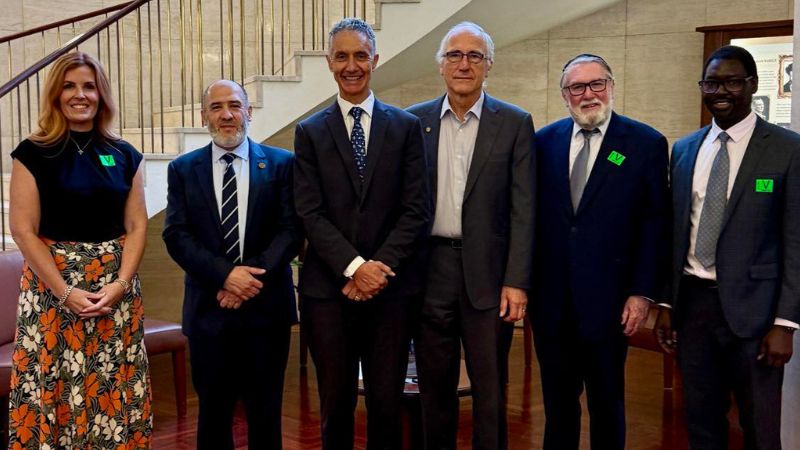
On February 25, 2026, faith leaders, including Pastor Christie Blaikie and Rabbi David Freilich, met with Buti to discuss the implications of the ban. The ACL indicated they were satisfied with the opportunity to voice their concerns, particularly noting that the legislation had yet to be drafted.
Critics of the ACL’s stance, including Brian Greig, WA spokesperson for Just.Equal Australia, argue that the phrase “unintended consequences” has often been used by religious conservatives to resist reform. They highlight how similar arguments were made against marriage equality and the decriminalization of homosexuality in the past. Greig pointed out that these claims often serve as a cover for maintaining unequal treatment of LGBTIQA+ individuals.
The ACL’s focus on the potential implications for religious practices comes amid broader discussions about the efficacy of existing laws in other states. Both Queensland and South Australia have implemented bans on conversion practices, but critics argue that these measures are not robust enough. In Queensland, for instance, the ban does not extend to religious organizations, which are responsible for approximately 90 percent of conversion practices.
In South Australia, recent amendments weakened proposed legislation, allowing for conversion practices to occur even if conducted just once. This raises concerns about the potential for harm to vulnerable individuals. Furthermore, survivors are limited to a one-year window to report such practices, which many argue fails to account for the time it can take for individuals to come forward after experiencing trauma.
The ACL aims to ensure that similar vulnerabilities are not embedded in the proposed WA legislation. They have advocated for the continued ability to offer “pastoral care” to those who may feel “sexually broken,” particularly when individuals consent to such practices. However, advocates for LGBTIQA+ rights contend that true informed consent cannot exist if individuals are misled about the effectiveness and potential harm of conversion therapies.
The ACL’s apprehension about the proposed legislation mirrors concerns raised in Victoria, which is recognized for its comprehensive and effective laws against conversion practices. The Andrews Government in Victoria successfully implemented legislation following a campaign led by survivors, aiming to eliminate conversion practices entirely.
While the ACL is entitled to lobby the WA Attorney General, advocates assert that protecting vulnerable LGBTIQA+ individuals from mental health issues should not be viewed as an infringement on freedom of religion or speech.
Currently, Tasmania is also working on legislation to ban conversion practices. Initial efforts faced criticism for being too lenient, prompting the introduction of a second, more stringent bill aimed at aligning more closely with Victoria’s successful model.
As Western Australia contemplates its path forward, the ongoing discussions surrounding conversion practices continue to highlight the tensions between religious freedoms and the rights of LGBTIQA+ individuals. The outcome of these legislative efforts could significantly influence the landscape for both communities in the state.