




















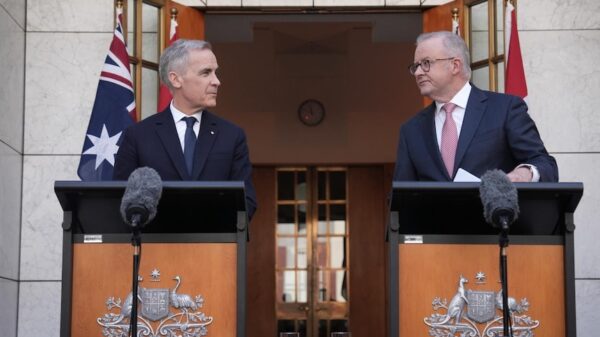


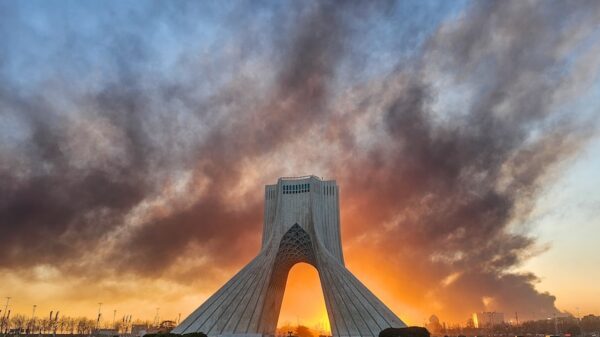

Tensions in the Middle East have escalated significantly, with Canadian Prime Minister Mark Carney and Australian Prime Minister Anthony Albanese refraining from calling for a ceasefire. This decision comes as conflict intensifies, particularly following recent missile strikes launched by Iran against targets in Türkiye and a United States submarine sinking an Iranian Navy vessel off the coast of Sri Lanka.
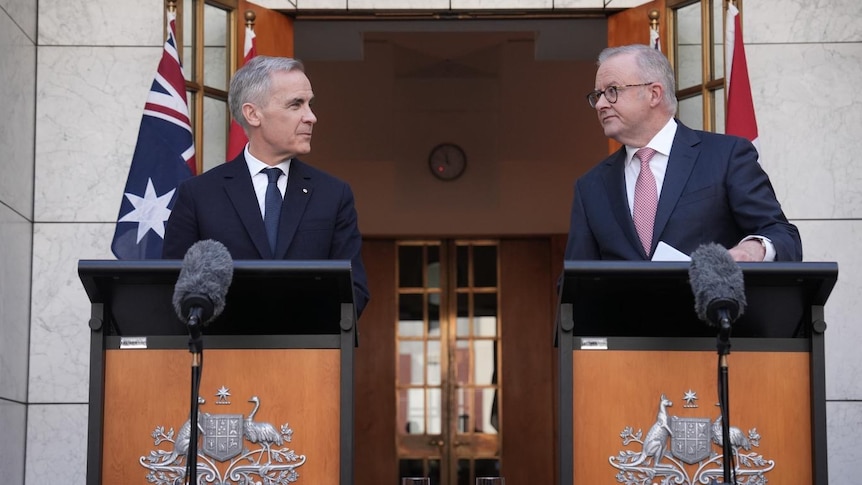
During a press conference, both leaders acknowledged the urgency of the situation but emphasized a need for dialogue rather than immediate cessation of hostilities. Carney expressed concern over the growing violence but noted that a ceasefire should be part of a broader strategy to ensure lasting peace in the region. Albanese echoed his sentiments, stating, “We must pursue diplomatic efforts to resolve these issues without further escalation.”
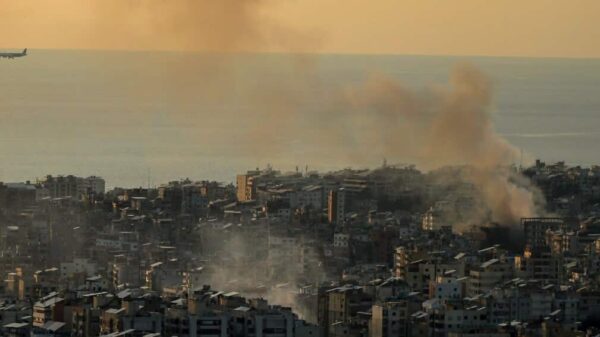
The backdrop of this diplomatic stance is a series of military actions that have heightened global anxieties. On October 12, 2023, Iran’s missile attacks targeted military installations in Türkiye, raising alarm over the potential for wider regional warfare. The United States’ response, which included the sinking of an Iranian vessel, marks a significant increase in military engagement in the area.
Both leaders face pressure from various factions within their respective countries. Some political voices are urging immediate action to halt the violence, citing humanitarian concerns. However, Carney and Albanese remain focused on fostering diplomatic relations, suggesting that a quick ceasefire might not address the underlying issues.
Humanitarian organizations have raised alarms about the escalating conflict’s impact on civilians. Reports indicate that thousands of people have been displaced, and access to essential services is severely limited. The United Nations has called for an urgent response to alleviate the suffering of those affected.
In this complicated geopolitical landscape, the involvement of major powers like the United States and Iran signals a pivotal moment that could redefine alliances and stability in the region. Analysts suggest that without a coordinated international response, the conflict may spiral further out of control.
Both Carney and Albanese’s positions reflect a cautious approach to a volatile situation, prioritizing long-term strategies over immediate cessation of hostilities. The coming weeks will likely reveal whether this diplomatic framework can withstand the pressures of escalating military actions and public sentiment for urgent intervention.