






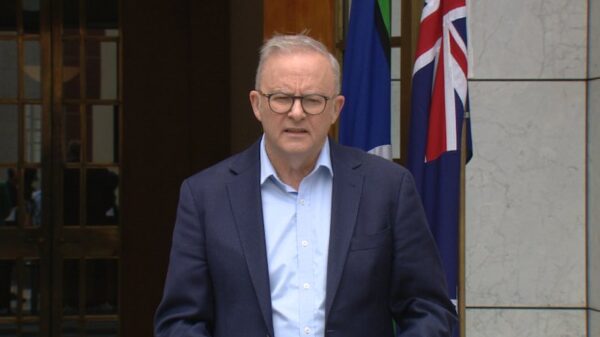





















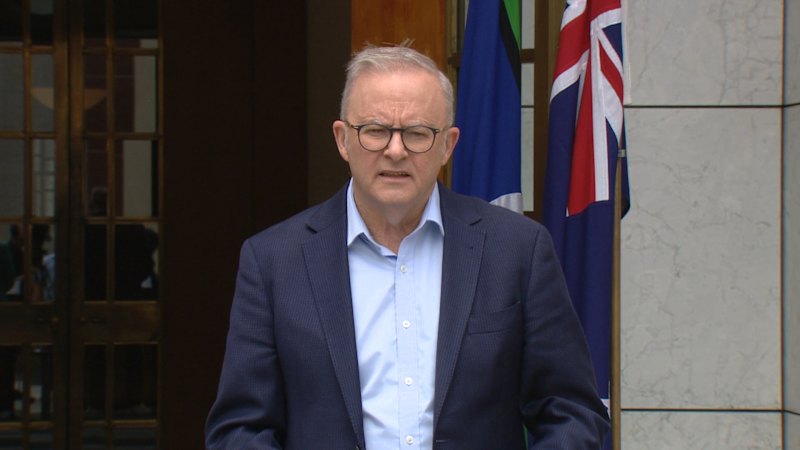
Prime Minister Anthony Albanese has decided to separate the proposed hate speech legislation from the gun laws in response to mounting pressure from opposition parties. The Greens have announced their intention to join the Coalition in opposing the combined bill, prompting Albanese to take action to ensure the legislation can proceed.
The initial proposal aimed to amalgamate reforms addressing both hate speech and gun control into a single legislative package. However, with strong dissent from the Greens, who criticized the bill for not going far enough in addressing systemic issues, the Labor government faced significant challenges in moving forward. The Coalition has also voiced concerns, arguing that the bill could infringe on free speech rights.
Amidst this political landscape, the government is now exploring the possibility of advancing the hate speech legislation independently. Albanese emphasized the importance of tackling hate speech, particularly in light of recent incidents involving violence and discrimination in Australia. In a statement, he remarked that “the legislation is crucial for fostering a more inclusive society.”
Opposition to the bill has intensified as various groups express their views. The Coalition’s spokesperson for justice stated, “We cannot support legislation that could potentially silence legitimate discourse.” This sentiment is echoed by some members of the public who fear that the bill could be misused to limit freedom of expression.
Legislative Implications and Public Response
The division of the bill may reshape the political dialogue surrounding both hate speech and gun laws in Australia. Analysts suggest that this move could allow the Labor government to focus on the hate speech components while deferring discussions on gun reform for a later date.
Public opinion appears to be divided. Supporters of the hate speech legislation argue that it is a necessary step towards protecting vulnerable communities from targeted attacks. They highlight the urgency of addressing online hate speech, which has seen a marked increase in recent years. On the other hand, critics warn that without proper safeguards, the legislation could lead to overreach and unintended consequences.
The Australian Human Rights Commission has offered its support for the proposed hate speech reforms, stating that it aligns with international human rights standards. In contrast, various free speech advocates remain skeptical, urging the government to ensure any new laws do not infringe on individual liberties.
As the political landscape evolves, the Labor government must navigate these complexities to achieve its legislative goals. The coming weeks will be critical as the government seeks to gain support for the hate speech bill while addressing the concerns raised by both the Greens and the Coalition.
In summary, Prime Minister Albanese’s decision to split the hate speech bill from the gun laws reflects the intricate dynamics of Australian politics. With significant opposition from multiple fronts, the government’s ability to effectively advocate for these reforms will be closely monitored in the lead-up to any legislative votes.