




























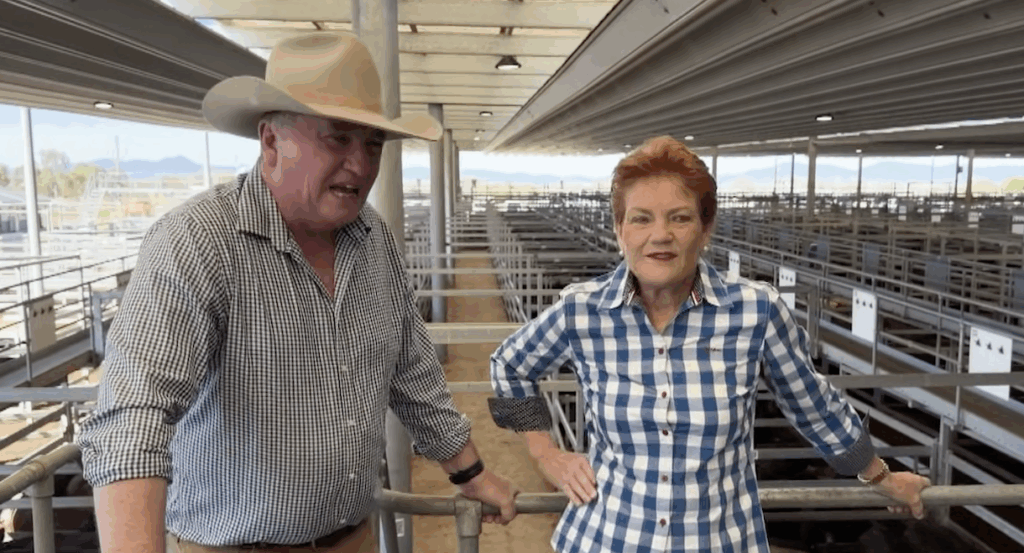
Barnaby Joyce has officially joined One Nation, announcing his move on Monday from Tamworth alongside party leader Pauline Hanson. This shift marks a significant development in Australian politics, particularly as Joyce’s entrance brings a notable financial benefit to Hanson due to the party’s newfound status.
With Joyce’s addition, One Nation now boasts five Members of Parliament, allowing the party to achieve official status. As a result, Hanson is set to receive a 42.5 percent pay increase, elevating her salary to $340,900. This increase not only enhances her financial standing but also provides her with additional resources, including potential staff, pending approval from the Prime Minister.
This situation presents a rare occurrence where a man’s decision has directly led to a woman receiving a substantial pay rise. The $100,000 increase serves as a unique anomaly in political transitions, illustrating the complexities of party dynamics and leadership roles. Should Joyce ascend to the role of party leader, a position he clearly aspires to, he would also inherit Hanson’s salary, further complicating the narrative surrounding gender and compensation in politics.
Hanson has been vocal in her views on taxpayer-funded salaries. In June 2023, she called for a review of high-level public servant salaries following a confirmed 2.4 percent pay rise for senior bureaucrats and politicians. Although she did not critique the pay increase for MPs, she labeled salaries for senior public officials as “excessive.”
In a previous instance, Hanson proposed an amendment to superannuation legislation in 2021 that aimed to raise the concessional cap for extra super contributions to the age of 67. At the time, Senator Murray Watt remarked that the amendment could have resulted in a significant financial benefit for Hanson, potentially worth around $30,000. Ultimately, the amendment did not pass.
During his announcement in Tamworth, Joyce expressed his deep respect for Hanson. He acknowledged her efforts, particularly in regards to removing the net zero emissions target, which has been a central focus for him. His decision to leave his former party, despite their commitment to this goal, raises questions about loyalty and political strategy, especially given the support One Nation has garnered in recent polling—almost tripling since the Federal election in May.
As Australian politics continues to evolve, the implications of Joyce’s move and the resulting financial benefits for Hanson will likely spark ongoing discussions about leadership, gender dynamics, and compensation within political parties.