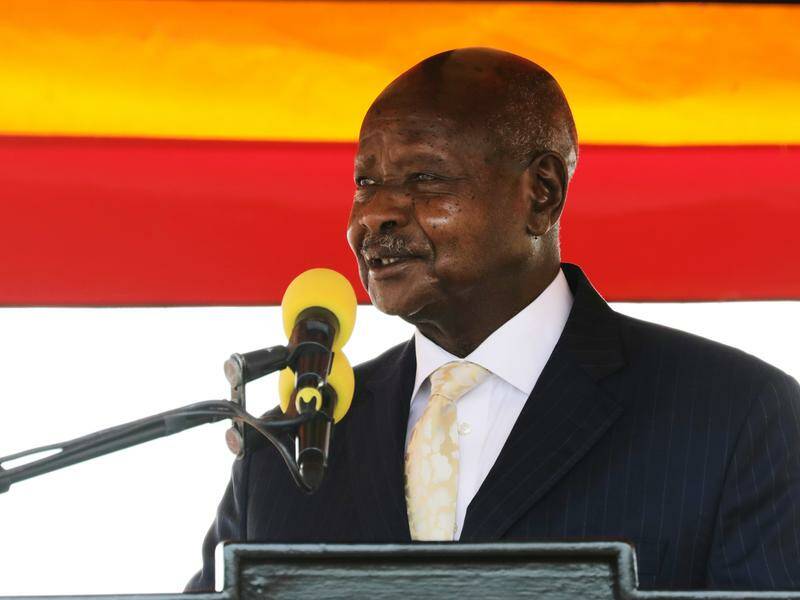
President Yoweri Museveni has been declared the overwhelming victor of Uganda’s presidential election, extending his rule into a fifth decade. The announcement, made by the country’s electoral commission on March 2, 2024, confirmed that Museveni received just under 72 percent of the votes, while his main challenger, pop singer-turned-politician Bobi Wine, garnered 24 percent. This election was marred by allegations of fraud and violent incidents, with Museveni’s win raising concerns about the future of political freedom in Uganda.
The electoral commission’s declaration came during a ceremony in Kampala, where tensions were high following reports of violence. Museveni’s victory solidifies his political dominance, especially as speculation grows around his succession plans. Bobi Wine, whose real name is Robert Kyagulanyi, has claimed that the election was rife with mass fraud, occurring under an internet blackout that authorities justified as necessary to prevent “misinformation.”
Following a military raid on his residence, Wine’s current whereabouts remain uncertain. He took to social media to confirm his escape, stating, “Last night was very difficult at our home… The military and the police raided us. They switched off power and cut off some of our CCTV cameras.” He expressed concern for his family, claiming they are under house arrest, a statement that could not be independently verified.
Reports indicate that at least seven individuals were killed and three injured after police fired on what they described as opposition “goons” in central Uganda. Local MP Muwanga Kivumbi disputed this account, asserting that ten people died at the hands of security forces within his home. Despite fears of widespread violence reminiscent of the aftermath of Tanzania’s elections in October, significant unrest did not materialize in Uganda.
Museveni’s re-election was not unexpected. Since seizing power in 1986, he has altered the constitution to eliminate age and term limits, thereby consolidating his grip on state institutions. His previous election victory in 2021, where he secured 58 percent of the vote, was criticized by the United States for lacking fairness and transparency. Throughout this campaign, Wine’s rallies faced severe disruptions from security forces, culminating in fatalities and numerous arrests among opposition supporters.
On the international stage, Museveni has faced scrutiny for his human rights record, yet he has also garnered appreciation from Western nations for his military interventions in regional conflicts, notably in Somalia, and for hosting millions of refugees. Many Ugandans value the stability that has accompanied his long tenure, and Museveni campaigned on the promise of “protecting the gains” achieved during his administration. Economic forecasts suggest that Uganda’s growth may reach double digits this year, bolstered by the anticipated start of crude oil production.
As discussions about Museveni’s potential successors intensify, speculation continues to focus on his son, Muhoozi Kainerugaba, who currently serves as the military chief. Museveni has denied any intention of grooming his son for leadership. In a recent interview with Sky News, he dismissed the idea of stepping aside, asserting, “If I am available, not dead, not senile, but I’m still around and I have some knowledge – if you are really serious about your country – why would you not want to take advantage of me?”
The political landscape in Uganda remains fraught with challenges as citizens and observers alike assess the implications of Museveni’s continued leadership. The unfolding situation raises important questions about governance, civil rights, and the future of democracy in the country.