



























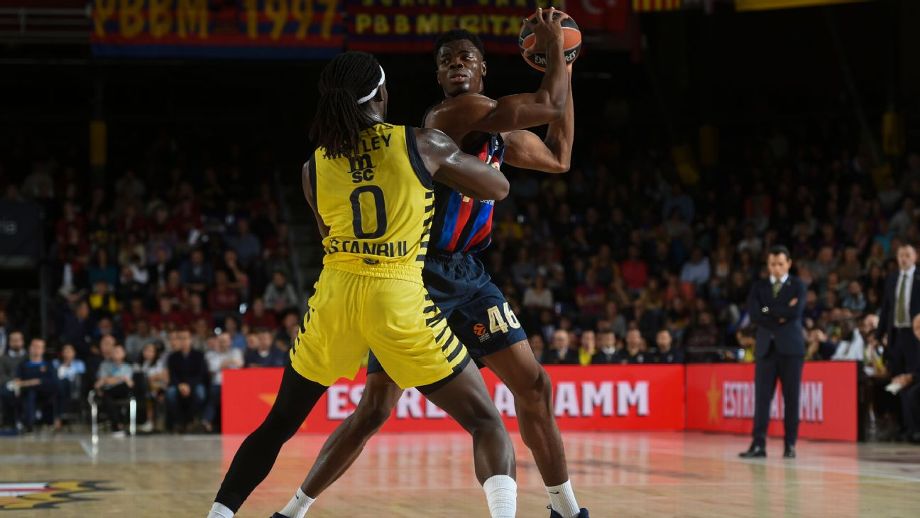
College basketball has seen a significant shift as teams begin signing NBA draft picks midseason, a move that raises questions about the future of college sports. In a notable instance, Baylor University recently announced the signing of James Nnaji, a 21-year-old, 7-foot center who was the 31st selection in the 2023 NBA Draft. Nnaji was picked by the Detroit Pistons and has changed teams, now being with the New York Knicks. Despite his professional experience in Europe since 2020, he still retains four years of college eligibility.
Traditionally, college basketball teams have operated under a set roster from the beginning of the season. However, this latest development has disrupted that norm, prompting criticism from various quarters. Teams like Oklahoma and Dayton have similarly added players from European leagues during the season, illustrating a growing trend that defies the conventional structure of college sports.
Changing Landscape of College Sports
The NCAA and other governing bodies in college athletics have struggled to adapt to the evolving landscape. While many expected that by the late 2010s they would acknowledge and prepare for these changes, the reality has been quite different. Rather than embracing the transformation, the NCAA has clung to outdated principles of amateurism, which have increasingly come under scrutiny.
The legal battle began in earnest in 2009 when Ed O’Bannon, a former player at UCLA, filed a lawsuit against the NCAA for profiting from his name, image, and likeness in video games. This landmark case resulted in a ruling that the NCAA was indeed violating the rights of its players. Despite this, the organization opted to double down on its stance, cancelling video game franchises rather than adjusting its policies.
Critics argue that the NCAA’s failure to adapt has led to a chaotic environment in college basketball. Teams are now permitted to bring in players with professional experience, which raises questions about fairness and the integrity of collegiate competition. Coach Scott Drew of Baylor acknowledged the absurdity of the situation, stating, “Santa Claus is delivering mid-season acquisitions.”
The Need for Reform
As the NCAA continues to face legal challenges and changing public sentiment, it is becoming increasingly clear that reform is necessary. The organization’s rigid adherence to outdated practices has left it vulnerable to changes in eligibility rules, allowing players like Nnaji to join college teams even after being drafted. This change might be unsettling, but it also reflects the broader trends in college athletics.
Drew emphasized that until collective bargaining rights are established for players, the chaos is likely to persist. The NCAA’s reluctance to recognize players as employees has resulted in a series of legal and operational missteps. Without a structured approach to eligibility and transfer rules, teams are left scrambling to adapt to these new realities.
The current state of college basketball demonstrates the urgent need for a reevaluation of the system. Instead of resisting change, the NCAA should consider negotiating a fair framework with players, potentially leading to more balanced competition and improved player experiences. As the landscape of college sports continues to evolve, it remains to be seen how institutions will respond to the challenges they face.