

































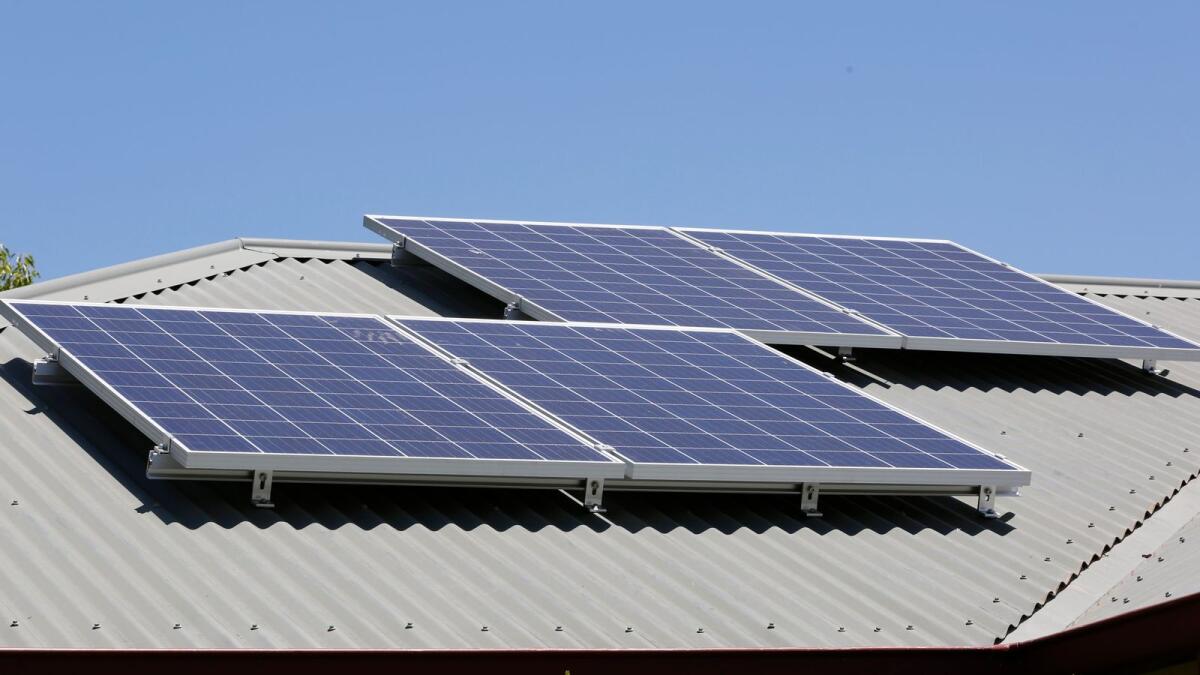
UPDATE: New reports confirm that electricity prices may soon fall due to a significant drop in renewable energy costs. The latest CSIRO electricity generation cost report for 2025-2026 reveals that solar and onshore wind power, when complemented by battery storage, are now the most cost-effective electricity generation technologies available.
This development is critical as the CSIRO analysis indicates that the cost of large-scale battery storage has plummeted by 20 percent for solar and 15 percent for wind energy over the past two years. The implications are profound: cheaper solar panels are converting sunlight into electricity at unprecedented rates, while wind energy remains low-cost due to the absence of fuel expenses.
According to the International Solar Energy Society, wholesale electricity prices in Australia have remained stable since 2016. This stands in stark contrast to recent claims by Federal Member for Nicholls Sam Birrell, who suggested that “energy prices are unlikely to fall.” Critics argue that such assertions reflect a misunderstanding of the evolving energy landscape.
Bruce Gill from Tatura expressed frustration over the lack of vision among some political leaders. He stated, “It’s a shame that the LNP continue to claim that burning stuff to generate electricity is the only viable option.” The push for nuclear power, touted by some as essential for Australia’s energy future, is particularly contentious. Nuclear energy is not only the most expensive and slowest to develop, but it is also heavily reliant on water for cooling—an issue not associated with renewable energy sources.
Gill emphasizes that projects like solar and wind farms can be operational within a few years, providing a swift transition to cleaner energy. He challenges the notion that renewable energy development infringes on agricultural land, asking, “Where has a solar or wind farm been built on farmland without full agreement from the land-holder?” He argues that small renewable projects do not threaten food supplies nor burden regional communities.
The urgency of this situation cannot be overstated. As Australia continues to transition towards renewable energy, the potential economic benefits are vast. With energy costs expected to decline, consumers could see immediate relief in their electricity bills. Furthermore, the environmental impact of moving away from fossil fuels supports a sustainable future.
As the debate over energy sources continues, the focus must shift toward the opportunities presented by renewable energy. The public and policymakers alike are urged to recognize the potential for economic growth and stability that renewable energy can provide.
Stay tuned for further updates as this situation develops and the benefits of renewable energy become clearer. The transition to a cleaner, more affordable energy future is not just possible—it is happening now.