































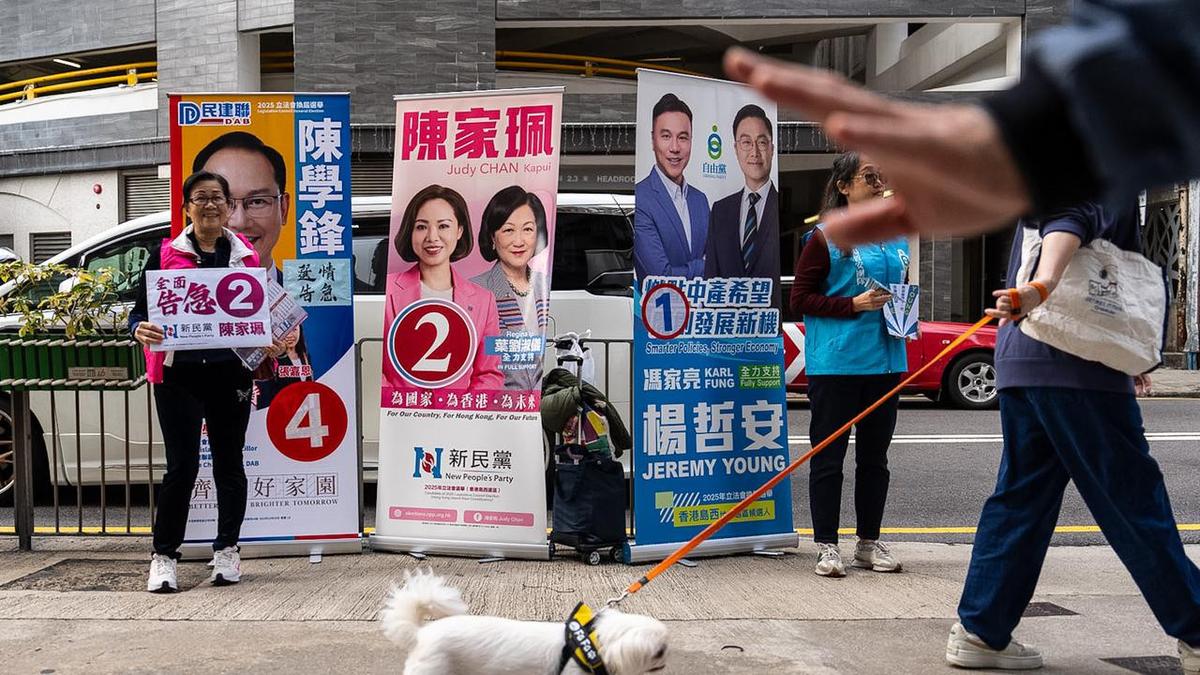
UPDATE: Voter turnout in Hong Kong’s legislative elections has reached 31.4% as of 10:30 PM local time, narrowly surpassing participation in the 2021 elections but still signaling significant public discontent. With over 4.1 million eligible voters, this turnout reflects ongoing frustration following a deadly apartment fire that claimed at least 159 lives last month, raising serious questions about government accountability.
Despite government efforts to increase turnout—including extending voting hours and adding polling stations—many potential voters remained disengaged. This election is pivotal as it marks the second under a controversial electoral system that has effectively sidelined opposition voices, with candidates now required to demonstrate loyalty to the Chinese government. The last election saw a turnout of 30.2%, and prior to these changes, participation consistently exceeded 50%.
In the days leading up to the election, public anger simmered over the fire incident in a building undergoing renovations, which has led to allegations of bid-rigging and inefficiencies in government oversight. Many voters expressed skepticism over the candidates, with retiree Kwan Lam stating, “I’m performing my civic duty as a citizen to vote… but I’m not too certain which candidate is hardworking and which is not.”
Authorities have been proactive in their campaign to encourage voting, emphasizing the need for stability after widespread protests in 2019. The government initiated a promotional campaign, featuring banners and forums, and provided subsidies to assist the elderly and disabled in exercising their right to vote. However, the tragic fire overshadowed these efforts, with campaigning suspended out of respect for the victims.
City leader John Lee defended the decision to proceed with the elections, asserting that continuing with the vote would better support the recovery efforts following the fire. He emphasized the urgency of reform, stating, “They have all experienced this fire and shared the pain. They will certainly work with the government to promote reforms, diligently review funding, and draft relevant laws.”
As the results unfold, the implications of this election are significant. Only 20 out of 90 seats in the Legislative Council are now elected directly by the public, with the remaining positions filled by a pro-government election committee or representing specific industries. The stringent “patriots” requirement has effectively marginalized opposition parties, leaving many voters feeling disenfranchised.
Authorities remain wary of dissent, warning against using the fire tragedy as a means to undermine the government. Several individuals have been arrested for allegedly inciting public discontent and for sharing content that discourages voting.
As the situation develops, all eyes are on Hong Kong’s government to see how they will address the public’s concerns while navigating a challenging political landscape. The next steps for the newly elected council will be closely watched, especially in light of the recent tragedy and calls for greater accountability.