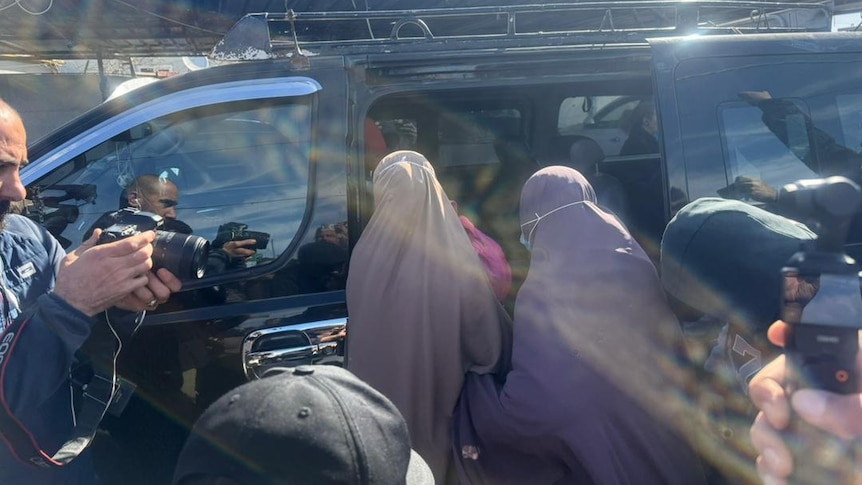
The Australian Federal Government has enacted a temporary ban on an Australian citizen linked to ISIS fighters, preventing their return from Syria. This decision is part of ongoing measures to ensure national security and limit the potential risks associated with individuals connected to extremist groups.
The individual, whose identity has not been disclosed, is currently in a region of Syria where various factions, including ISIS, are known to operate. The ban was confirmed by the Department of Home Affairs, which stated that national security remains a top priority. This action reflects the government’s commitment to safeguarding the public from any potential threats.
Government’s Stance on National Security
In a statement, a spokesperson for the Department of Home Affairs emphasized the importance of thorough assessments regarding individuals attempting to return to Australia. “The safety and security of the Australian public are paramount,” the spokesperson said. The government has faced increasing scrutiny over how it handles citizens involved with extremist organizations.
The temporary ban aligns with Australia’s broader strategy to counter terrorism. The government has previously implemented similar measures against individuals who have fought alongside ISIS or other terrorist groups. These actions are rooted in concerns about the radicalization process and the potential for re-engagement in extremist activities upon returning home.
Implications for the Individual and Broader Context
The decision to temporarily block the return raises various questions regarding the rights of individuals linked to terrorist organizations. Legal experts assert that while the government has the authority to impose such bans, the long-term implications for the individual and their family are significant.
The impact of this ban extends beyond the individual case, as it reflects a growing trend among nations to assess and restrict the movements of citizens with ties to terrorism. Countries worldwide are grappling with the challenges posed by returning foreign fighters, and Australia is no exception.
As of October 2023, over 100 Australians are believed to have traveled to conflict zones to join ISIS or similar groups. The government has established programs aimed at rehabilitation and reintegration for those who wish to return, but these are contingent upon thorough evaluations of their intentions and past actions.
The Australian government remains vigilant in its efforts to monitor and manage the risks associated with returning citizens and continues to adapt its policies in response to the evolving landscape of international terrorism.