

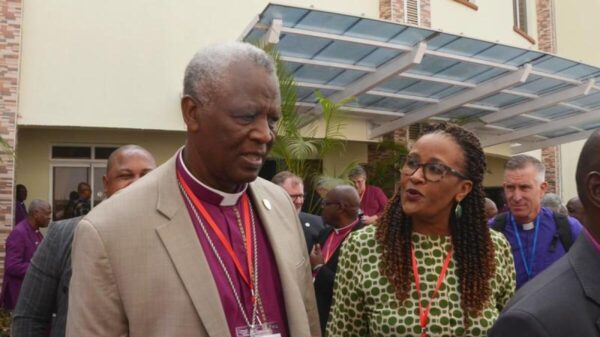
























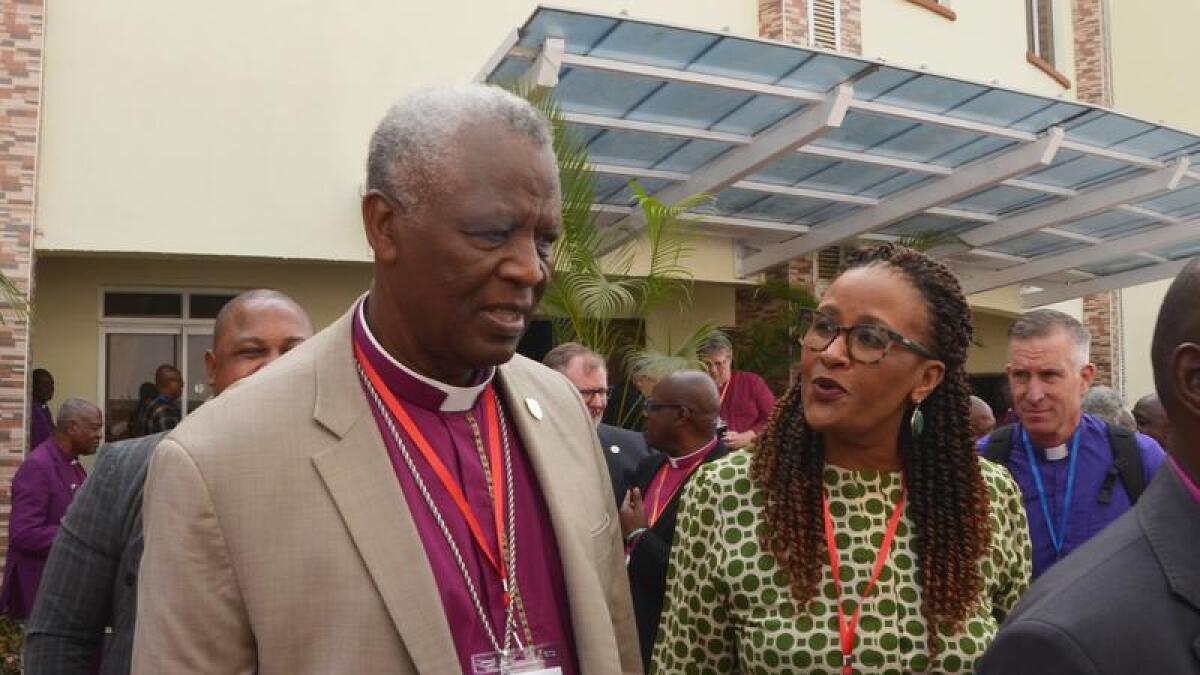
In a significant development within the Anglican community, conservative Anglicans have formed a new council aimed at challenging the leadership of the global Anglican Communion. The council, officially known as the Global Anglican Council, has elected Archbishop Laurent Mbanda of Rwanda as its chairman. This decision was made during the Global Anglican Future Conference (GAFCON), which took place recently in Rwanda.
During the conference, Bishop Paul Donison announced that the council would operate on a shared leadership model, stating that Archbishop Mbanda would not be “primus inter pares” or “first among equals.” Instead, the council emphasizes a conciliar structure designed to better reflect the needs of the majority of Anglicans worldwide.
New Leadership Model for Conservative Anglicans
Bishop Donison expressed the rationale behind this shift, stating, “Believing the current instruments of communion no longer meet the needs of the majority of Anglicans around the world, the global Anglican Communion is to be led by a conciliar structure.” This statement underscores a growing sentiment among conservative factions within the church, who feel increasingly marginalized by liberal changes in other branches of the Communion.
GAFCON, which predominantly includes conservative churches from Africa and Asia, claims to represent the majority of Anglicans internationally. The coalition has been vocal in its opposition to liberal reforms, particularly concerning the ordination of women and the inclusion of LGBTQ+ members. The group has expressed strong disapproval of recent appointments within the Church of England, including the selection of Sarah Mullally as the first female Archbishop of Canterbury in October 2022.
Implications for the Anglican Communion
The establishment of this new council marks a pivotal moment in the ongoing debates within the Anglican Communion regarding leadership and doctrinal positions. The decision to elect Archbishop Mbanda and adopt a collaborative governance structure reflects a desire among conservative Anglicans to redefine their identity and influence within the broader church.
As GAFCON moves forward with its agenda, the implications of this new leadership structure will likely resonate beyond the immediate participants, potentially reshaping the future of Anglicanism on a global scale. The council’s formation signals a clear intent to assert conservative values and address perceived imbalances within the Anglican Communion.
Moving ahead, all eyes will be on how this new council interacts with existing structures and whether it can effectively advocate for the beliefs and practices of conservative Anglicans worldwide.