


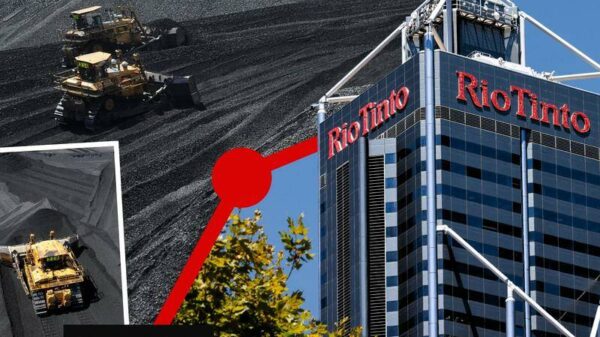


























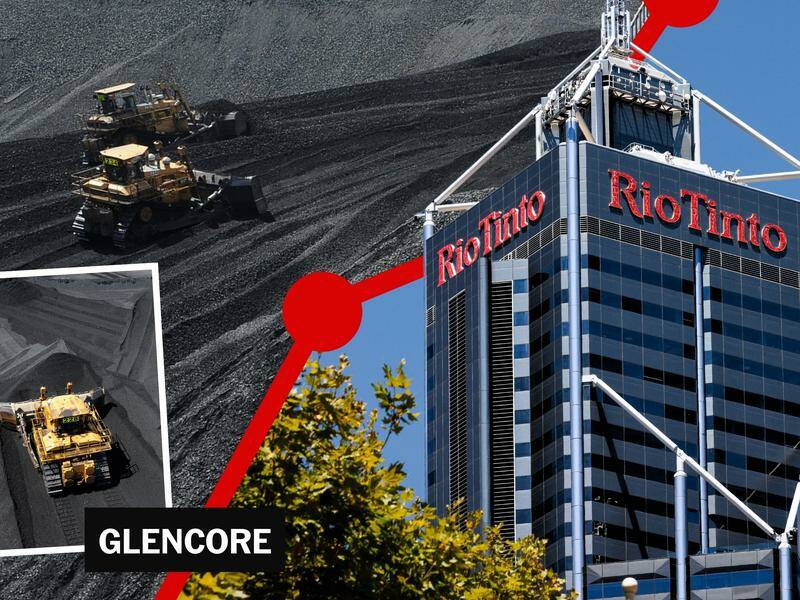
Rio Tinto has officially ended discussions with Glencore regarding a potential merger that would have resulted in the world’s largest mining company. The decision, announced on Thursday, came after the two firms were unable to agree on terms that would satisfy their shareholders. This marks the third time that merger talks have collapsed between the two companies, highlighting ongoing challenges in the mining sector.
Glencore shares experienced a notable decline, falling by as much as 10.8 percent to 456 pence. Meanwhile, Rio Tinto’s shares, listed in London, dropped by 2.6 percent to 6,820 pence by 15:35 GMT. In its statement, Rio Tinto made it clear that it “is no longer considering a possible merger or other business combination with Glencore.”
The proposed merger discussions had a history of setbacks. In 2014, Rio Tinto rejected an approach from Glencore, stating that it was not in the best interests of its shareholders. The latest round of discussions in 2024 similarly concluded without reaching a deal.
In a statement, Glencore explained that the key terms of the potential offer included Rio Tinto retaining both the chairman and chief executive officer roles. The company felt that the proposed ownership structure significantly undervalued Glencore’s contribution to the combined entity. Consequently, Glencore decided that proceeding with the acquisition on these terms would not serve the best interests of its shareholders.
The failure of these talks reflects a broader trend in the mining industry, where ambitious merger proposals often struggle to materialize. A similar situation occurred when BHP’s $49 billion bid for Anglo American fell apart due to concerns over the offer’s structure. This trend comes despite increasing demands for metals, which have prompted companies to explore consolidation opportunities.
The mining sector continues to face complexities as companies navigate the dual pressures of market demand and shareholder expectations. While some firms are eager to combine resources to bolster their market positions, the challenges of aligning interests and valuations remain significant.