




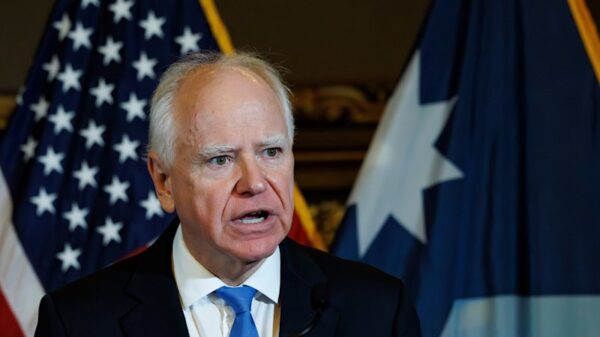
























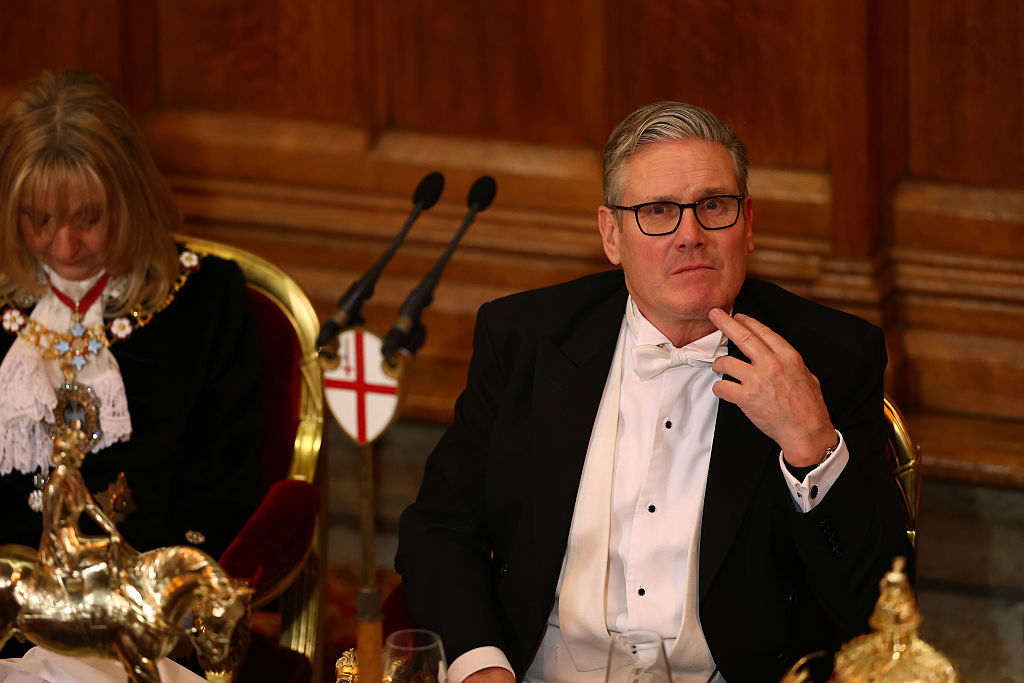
During a recent speech at the Lady Mayor’s Banquet held at the Guildhall, UK Prime Minister Keir Starmer elaborated on his approach to foreign policy, particularly concerning China. This address comes as Starmer prepares for an upcoming visit to Beijing next month, and it reflects a significant portion of his time in office dedicated to international relations.
Key Themes in Starmer’s Speech
Starmer summarized his political philosophy with the phrase, “internationalism is patriotism.” Despite offering some familiar points from last year’s address, he emphasized the importance of a forward-looking Britain, lamenting how Brexit disrupted the consensus that the UK should engage actively on the global stage. He described this tradition as being “as British as fish and chips.”
The Prime Minister drew parallels between the rhetoric of Brexiteers and critics of the European Convention on Human Rights, arguing that both groups made unrealistic promises about solving national issues through isolationist policies. He stated, “The same wild promises being made to the country, by the same people – walk away, and all our problems will be solved.”
Focus on China: A Balanced Approach
Starmer’s speech highlighted China, which he mentioned 17 times within the context of a 2,700-word address. He aims to strike a balance between naive engagement and outright hostility, asserting, “Neither golden age, nor ice age,” a reference to previous administrations led by David Cameron and Boris Johnson. He stated, “For years we have blown hot and cold,” urging a rejection of binary choices in dealings with Beijing.
Instead, Starmer advocated for “strong purposeful engagement” with China, underscoring the necessity of protecting national security while maintaining avenues for cooperation in areas such as climate change, global health, and artificial intelligence. He expressed optimism about enhancing trade relationships, stating, “Our task is to help British businesses win their share of that opportunity.”
Despite these discussions, the address notably lacked references to recent significant events affecting UK-China relations, such as the collapse of British Steel or the challenges surrounding espionage trials. Although Starmer acknowledged that China “poses real national security threats to the United Kingdom,” he did not delve into how these issues have shaped his policy perspectives.
As Starmer prepares for his trip to China, the effectiveness of his diplomatic approach remains uncertain. In January, Rachel Reeves’s visit to China yielded only £600 million in trade deals, a stark contrast to the £6.4 billion secured during a recent trip to the Gulf region. This raises questions about whether Starmer can achieve better outcomes for the UK.
In summary, while Starmer’s vision of a nuanced approach to China reflects a desire for balanced international engagement, it remains to be seen how effectively he can translate this philosophy into tangible results during his forthcoming visit.