



































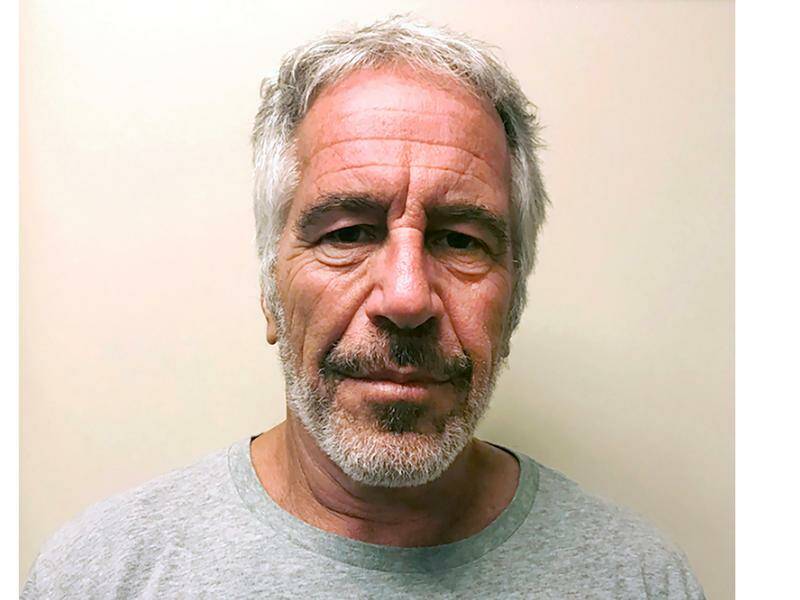
A federal judge in Florida has granted the Justice Department permission to release grand jury transcripts from its sex trafficking investigation against Jeffrey Epstein. This decision could provide insight into Epstein’s connections with influential individuals, including former US President Donald Trump.
The request to unseal these records was made by US District Judge Rodney Smith following a directive from Congress. The Republican-controlled legislature mandated the Attorney General to disclose all unclassified documents pertaining to investigations of Epstein and his associate, Ghislaine Maxwell, who is currently serving a 20-year prison sentence for sex trafficking.
Trump, who claimed to have distanced himself from Epstein before the financier’s arrest in 2019, initially opposed the release of these documents. However, he changed his position shortly before signing the bill on November 19, 2020, which called for greater transparency regarding Epstein’s connections to powerful figures. The release of these records is anticipated by both Trump’s political adversaries and some members of his base, who have called for clarity about the case.
The scandal surrounding Epstein has persisted as a point of contention for Trump, particularly because he promoted conspiracy theories about Epstein to his supporters during his re-election campaign in 2024. The grand jury transcripts are expected to shed light on the preliminary federal investigation that began in 2005, when police in Palm Beach, Florida, interviewed multiple teenage girls who alleged they were paid to provide sexual services to Epstein.
In 2007, federal prosecutors prepared an indictment against Epstein, but the case was complicated by his legal team’s efforts to undermine the credibility of the accusers. This culminated in a controversial plea deal in 2008, in which Epstein pleaded guilty to lesser state charges of soliciting prostitution from a minor. He served approximately 13 months in a work release program, during which he was allowed to spend his days in his office.
The handling of Epstein’s case, particularly by then-Miami U.S. Attorney Alex Acosta, drew significant public outrage after the Miami Herald published a series of investigations in 2018 that scrutinized the plea agreement. This backlash ultimately led to Acosta’s resignation as Trump’s Secretary of Labor. A subsequent Justice Department report in 2020 criticized Acosta’s judgment but did not find him guilty of professional misconduct.
In 2019, a different federal prosecutor in New York brought forth a sex trafficking indictment against Epstein, echoing allegations that had surfaced during the earlier investigation. Epstein’s long-time confidant, Maxwell, was subsequently tried on similar charges and found guilty in 2021.
The Justice Department has also submitted requests for the release of grand jury records related to the sex trafficking cases against both Epstein and Maxwell in New York. Judges overseeing those cases have indicated they plan to make decisions swiftly.
As this legal saga unfolds, the implications of the released transcripts could have far-reaching effects on public perception and political discourse surrounding Epstein’s connections to powerful individuals.
