



































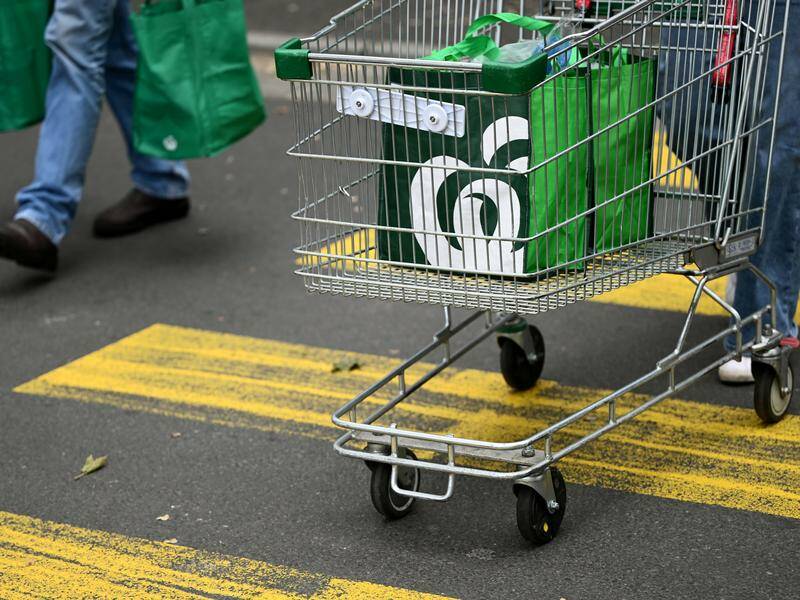
Supermarkets and retailers in Australia are raising concerns about new regulations aimed at preventing price gouging, arguing that these rules will ultimately lead to higher grocery costs for consumers. The Albanese government has introduced measures to curb what it terms “excessive pricing of groceries,” which will be enforced under the revised Food and Grocery Code of Conduct starting on July 1, 2024.
The new regulations will prevent large retailers from charging prices deemed excessive in relation to supply costs plus a fair profit margin. Jim Chalmers, the Treasurer of Australia, emphasized the intention behind the changes, stating, “This is all about getting a fairer go for families in their weekly shop.” However, the potential impact of these rules has sparked significant backlash from major supermarket chains.
Fines of up to $10 million per violation could be imposed on supermarkets, equivalent to three times the financial benefit derived from the breach or 10% of the company’s revenue from the previous year. In a March report, the Australian Competition and Consumer Commission (ACCC) highlighted the near-duopoly held by Coles and Woolworths, which has limited competition in the grocery sector. Despite these findings, the report did not directly accuse these major retailers of price gouging, a claim both companies have vehemently denied.
Coles argues that increasing regulations will not lead to lower grocery prices. A company spokesperson stated, “At a time when the focus should be on easing cost-of-living pressures, these regulations risk doing the opposite.” They noted that for every $100 spent at Coles, only $2.43 is profit, a figure that they argue reflects the tightening margins in the grocery sector.
Similarly, Woolworths, valued at $36 billion, cautioned that the ban could have unintended consequences, potentially depriving shoppers of “great deals.” A spokesperson for Woolworths described the law as “unprecedented” and claimed it unfairly targets only two Australian-owned companies while allowing larger foreign retailers to operate without the same restrictions.
The Australian Retailers Association and the National Retail Association have both expressed strong opposition to the government’s new regulations. Chris Rodwell, Chief Executive of the Australian Retailers Association, argued that these measures are addressing a problem that lacks evidence, warning that they could inadvertently increase grocery prices for families across Australia.
Political reactions have also emerged, with David Littleproud, leader of the National Party, indicating that the coalition will review the legislation once it is finalized. He stated, “In society, there should be a deterrent and a consequence for doing the wrong thing,” emphasizing the need for a balanced approach to regulation.
The Business Council of Australia has voiced its criticism of the price gouging ban, arguing that regulations should be evidence-based. CEO Bran Black stated, “If Australia wants lower prices and better outcomes for consumers, we need to focus on reducing unnecessary regulation and addressing the underlying cost pressures across supply chains.”
Recent findings from the ACCC report indicated that grocery prices have increased at more than double the rate of wages from late 2022 to early 2023. This rise has been partially attributed to increased profits for Coles, Woolworths, and Aldi. The ongoing debate surrounding these regulations highlights the complex dynamics of the Australian grocery market and its impact on consumers.
