The people of Greenland have made their stance clear regarding Donald Trump’s proposal to purchase the territory: they do not want to become part of the United States. In the capital, Nuuk, residents expressed their strong opposition to the idea, dismissing it as unrealistic and unacceptable, even if substantial financial incentives were offered.
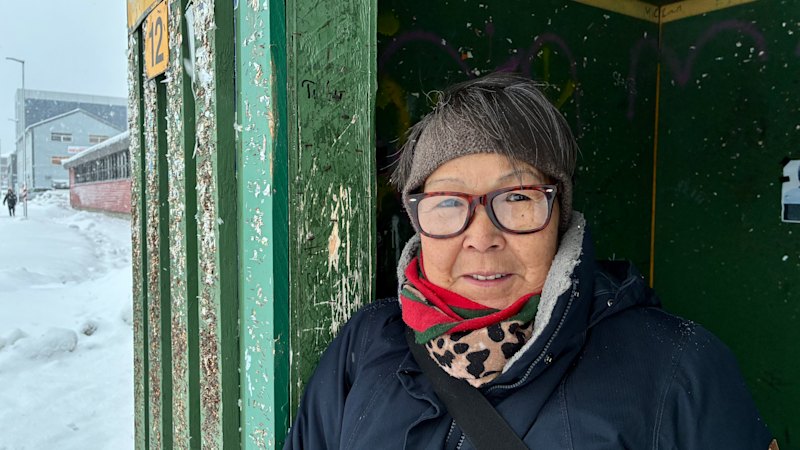
Ruth Søholm, a 65-year-old retail worker in Nuuk, voiced her disapproval, stating, “He’s insane, absolutely insane. We don’t belong to America. We are Inuit. We don’t want to be Americans.” This sentiment reflects a broader resistance among Greenlanders, who are proud of their heritage and wish to retain their independence.
Trump has repeatedly asserted his desire to acquire Greenland, claiming that “We are going to do something on Greenland whether they like it or not.” He argued that controlling the territory is essential to countering the influence of Russia and China in the Arctic region. On March 15, 2024, he mentioned the possibility of offering up to $100,000 (approximately $150,000) to each resident as part of a deal. However, such monetary incentives have not swayed public opinion.
In Nuuk, the atmosphere is charged with disdain for the U.S. president. A group of young boys succinctly articulated their feelings: “We hate Trump.” Their gestures of frustration demonstrate a widespread sentiment that transcends mere political discourse.
Aviaq Fontain Markussen, an 18-year-old grocery store worker, expressed a common view among the youth: “We want Greenland to be Greenland, and not be bought. Our life was peaceful. We want it to be simple and peaceful, just like how it is.” This strong desire for self-determination is echoed by many, including retiree Carl Petersen, who stated, “Even if you offer $500,000 each, or $1 million, we don’t want their money. We want to be free.”
Greenland has approximately 57,000 residents, and recent discussions within the White House estimated a total cost of $5.7 billion (around $8.5 billion) if the maximum payment per person were to be offered. Despite the financial allure, many Greenlanders remain steadfast in their rejection of the proposal.
The notion of the U.S. acquiring Greenland is not new; discussions have occurred since the 19th century, including a secret offer made in 1946. However, Trump has transformed this historical interest into a prominent issue during his presidency, emphasizing the potential economic benefits of such a deal. He has cited the strategic importance of Greenland’s natural resources, which the U.S. requires for technological and defense purposes.
The political landscape in Greenland reflects the populace’s views. Both Danish Prime Minister Mette Frederiksen and Greenland Prime Minister Jens-Frederik Nielsen have publicly rejected Trump’s ambitions, aligning with the popular sentiment against U.S. control. A poll conducted a year ago revealed that 85 percent of Greenlanders opposed joining the U.S., with only 6 percent in favor.
In the face of ongoing discussions, U.S. Secretary of State Marco Rubio is scheduled to meet with Danish Foreign Minister Lars Løkke Rasmussen in Washington, but signs indicate that these talks are unlikely to lead to any agreement on U.S. control of Greenland.
Residents like Susan Bech are hopeful for a future where Greenland achieves full independence. “We’re trying to be independent,” she stated. The five political parties in Greenland’s parliament have called for respect from the U.S. government, emphasizing that the future of Greenland should be determined by its people.
In a rare joint statement released on March 15, the political parties reiterated their commitment to cooperating with the U.S. and other Western nations while asserting their desire to maintain their identity: “We will not be Americans, we will not be Danes, we are Greenlanders.”
As discussions continue, the sentiment in Nuuk remains resolute. The people are determined to chart their own course, free from external control, and to uphold their unique cultural heritage.